Reply author: Vlad
Replied on: 20240320100319
Reply author: Detlev
Replied on: 20240320101656
Hi Vlad,
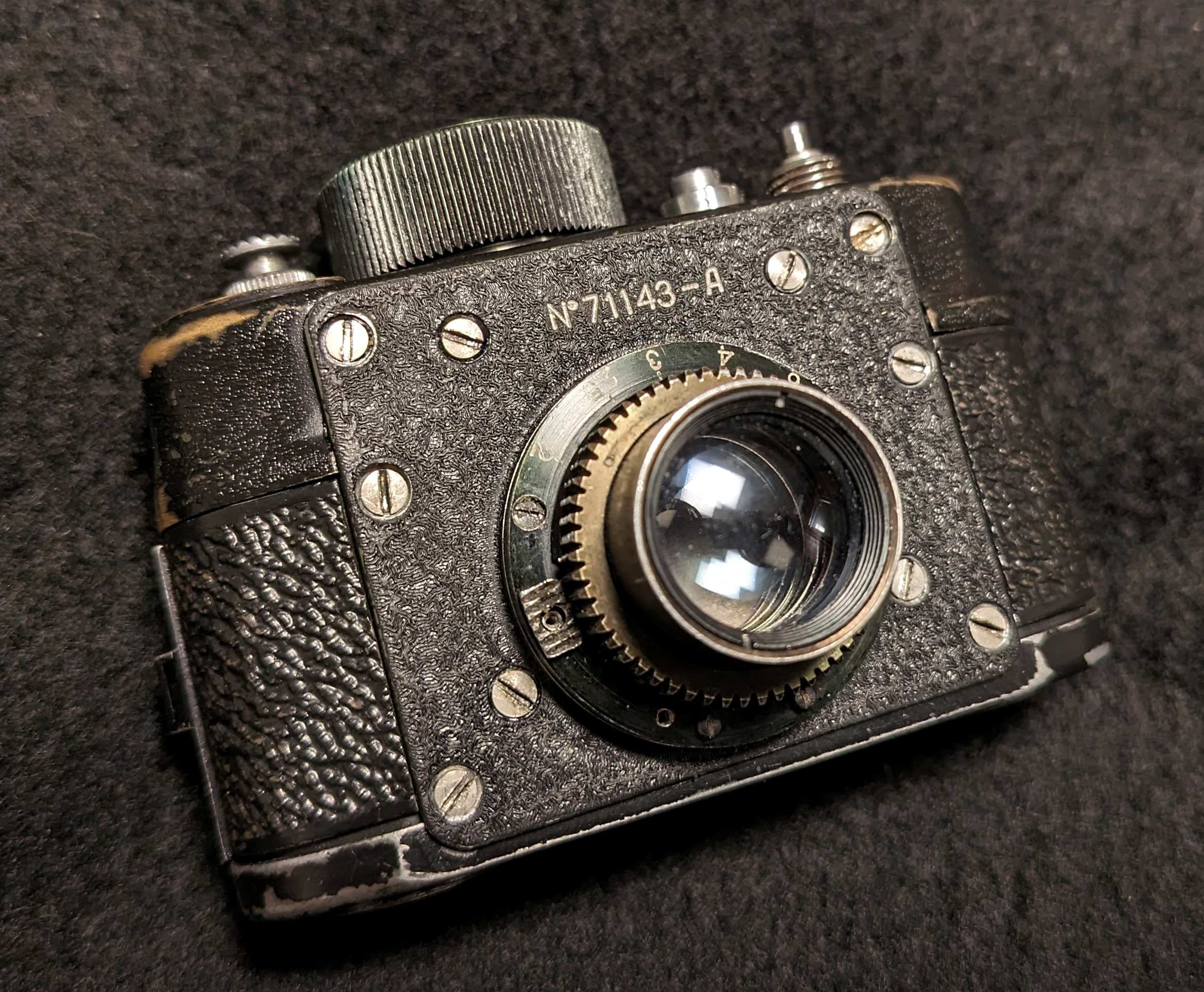
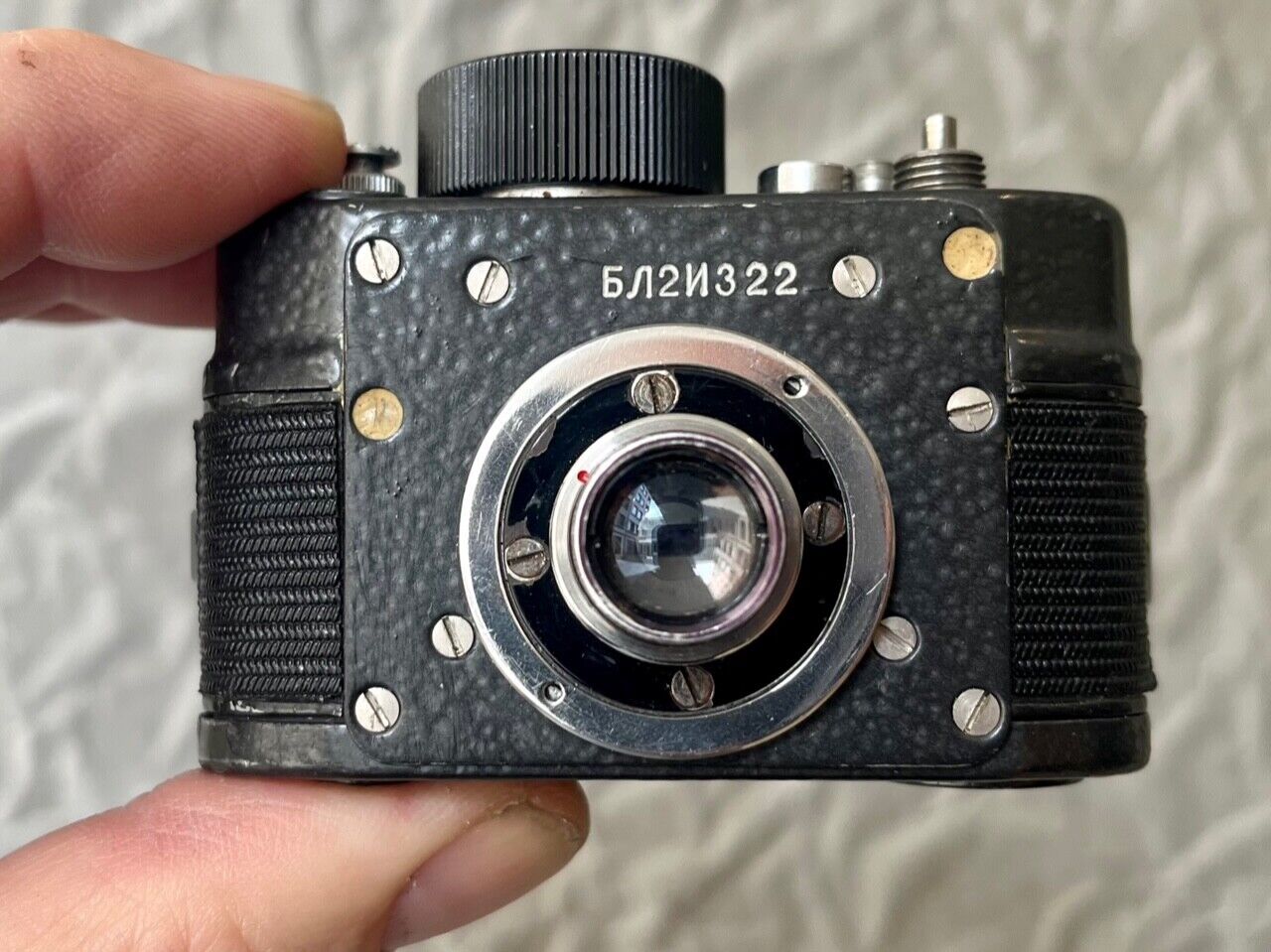
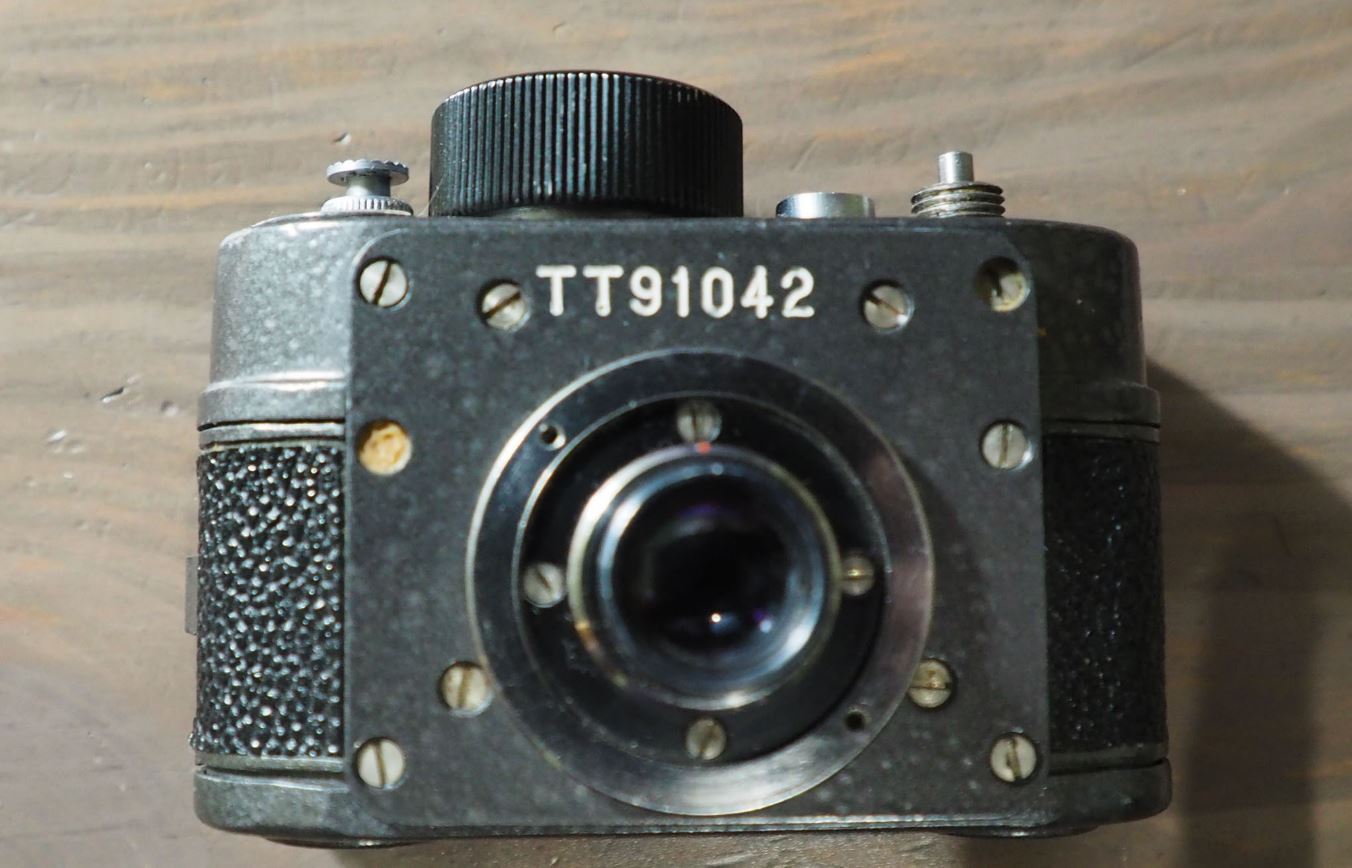
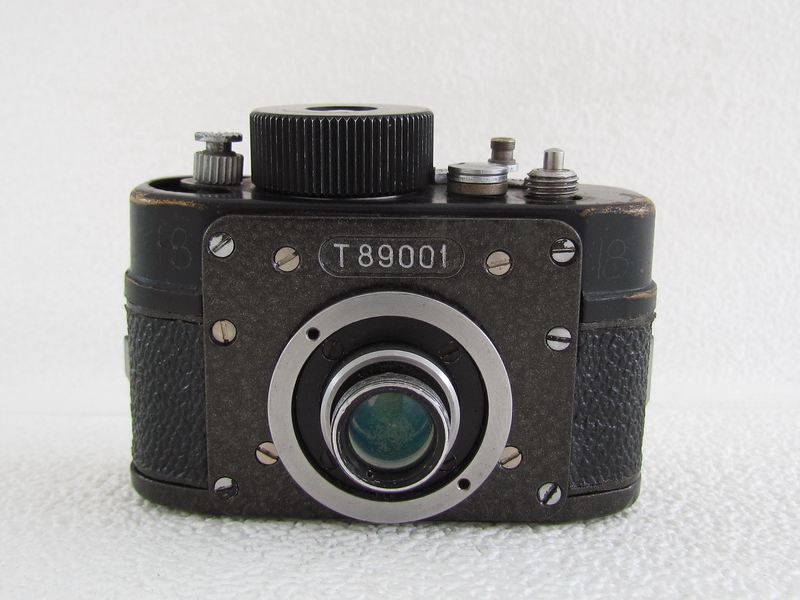
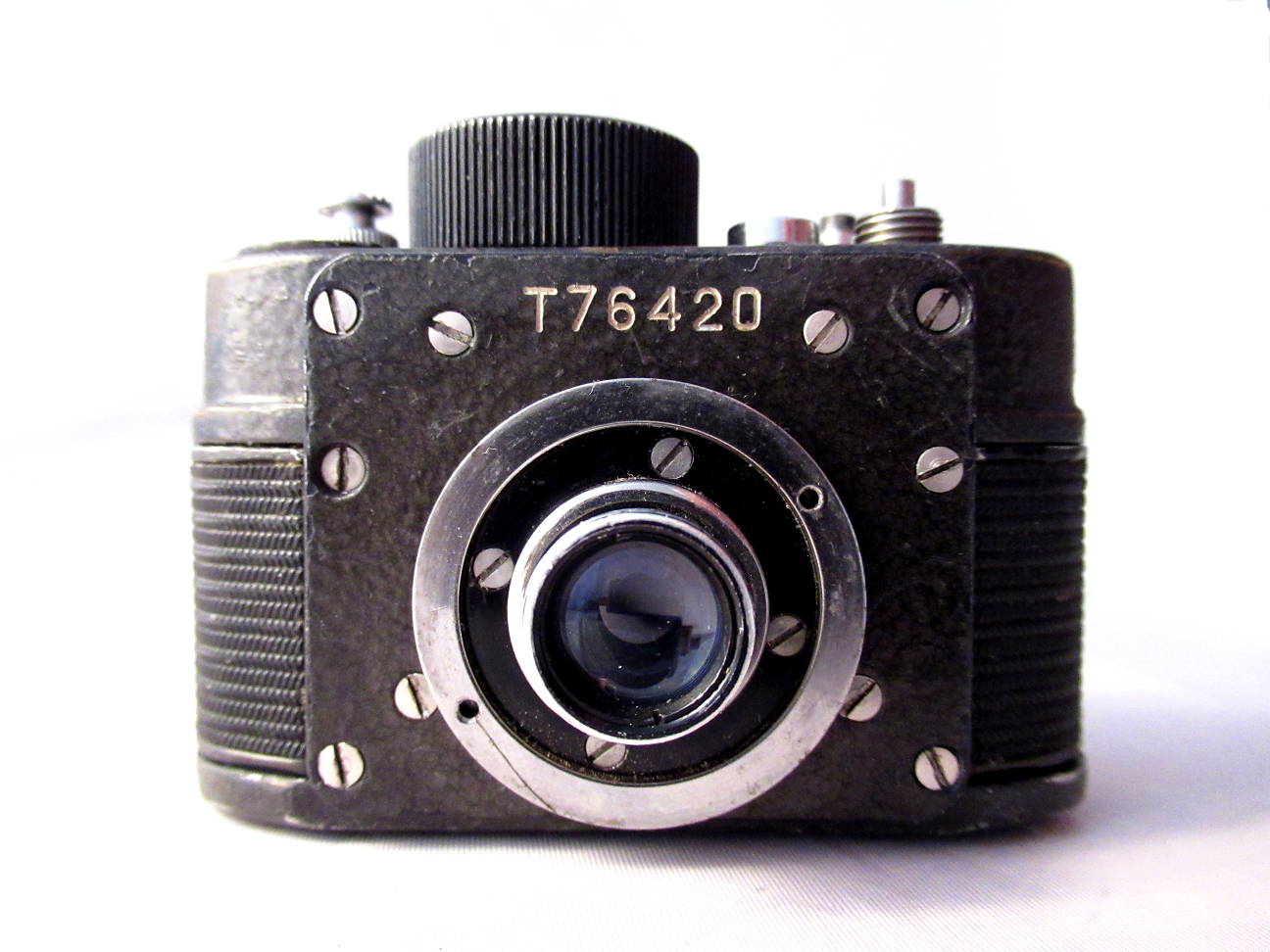
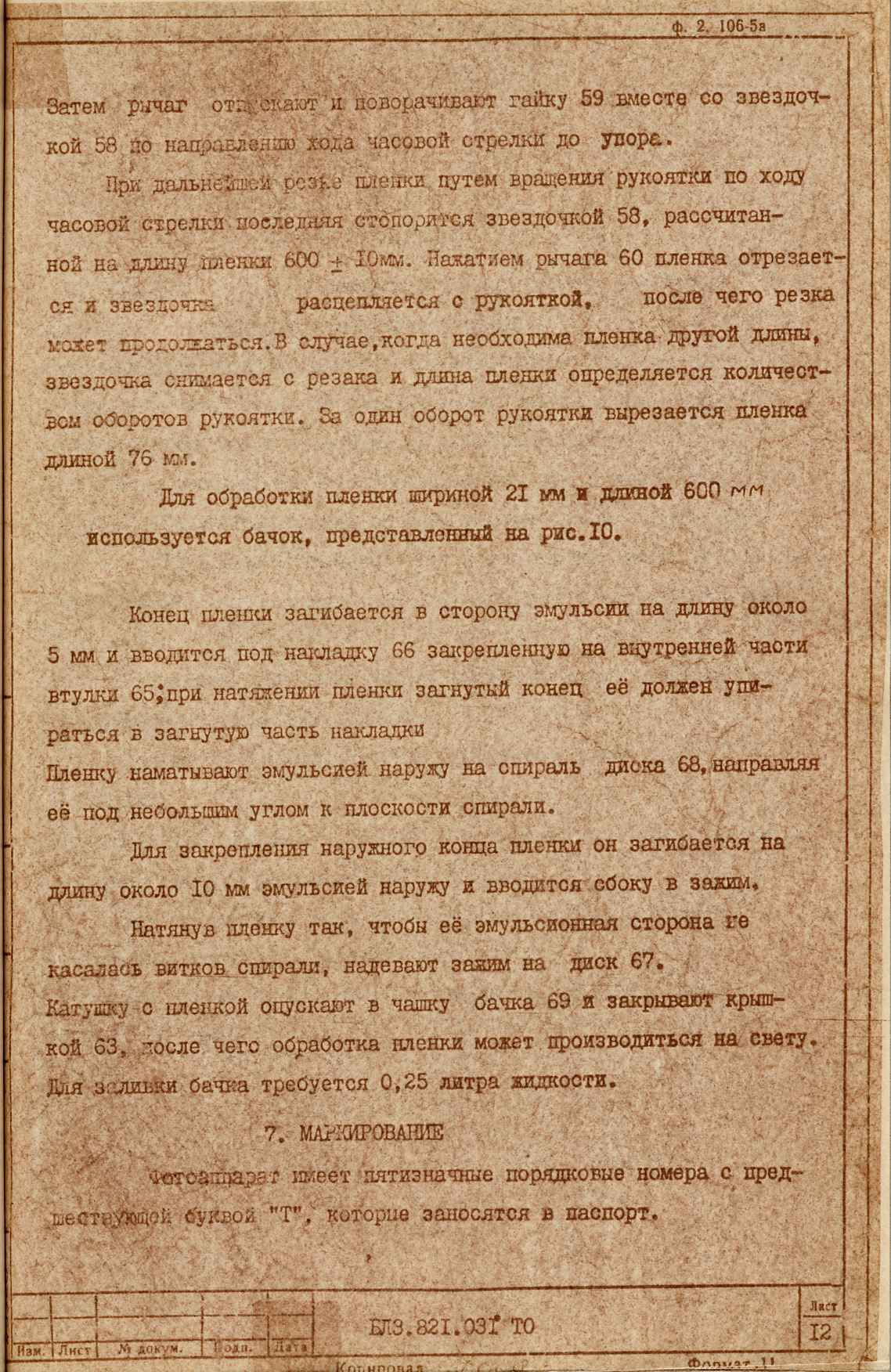
the F21 T manual says: the camera has 5 digits serial number prefixed with a letter "T", which is entered into a passport.
The first two digits seem to be often the production year, but not in all cases.
Detlev
Reply author: fedka
Replied on: 20240320155548
I like how well-worn the -A camera is. That's a lot of use.
Reply author: perkinsmg
Replied on: 20240320160851
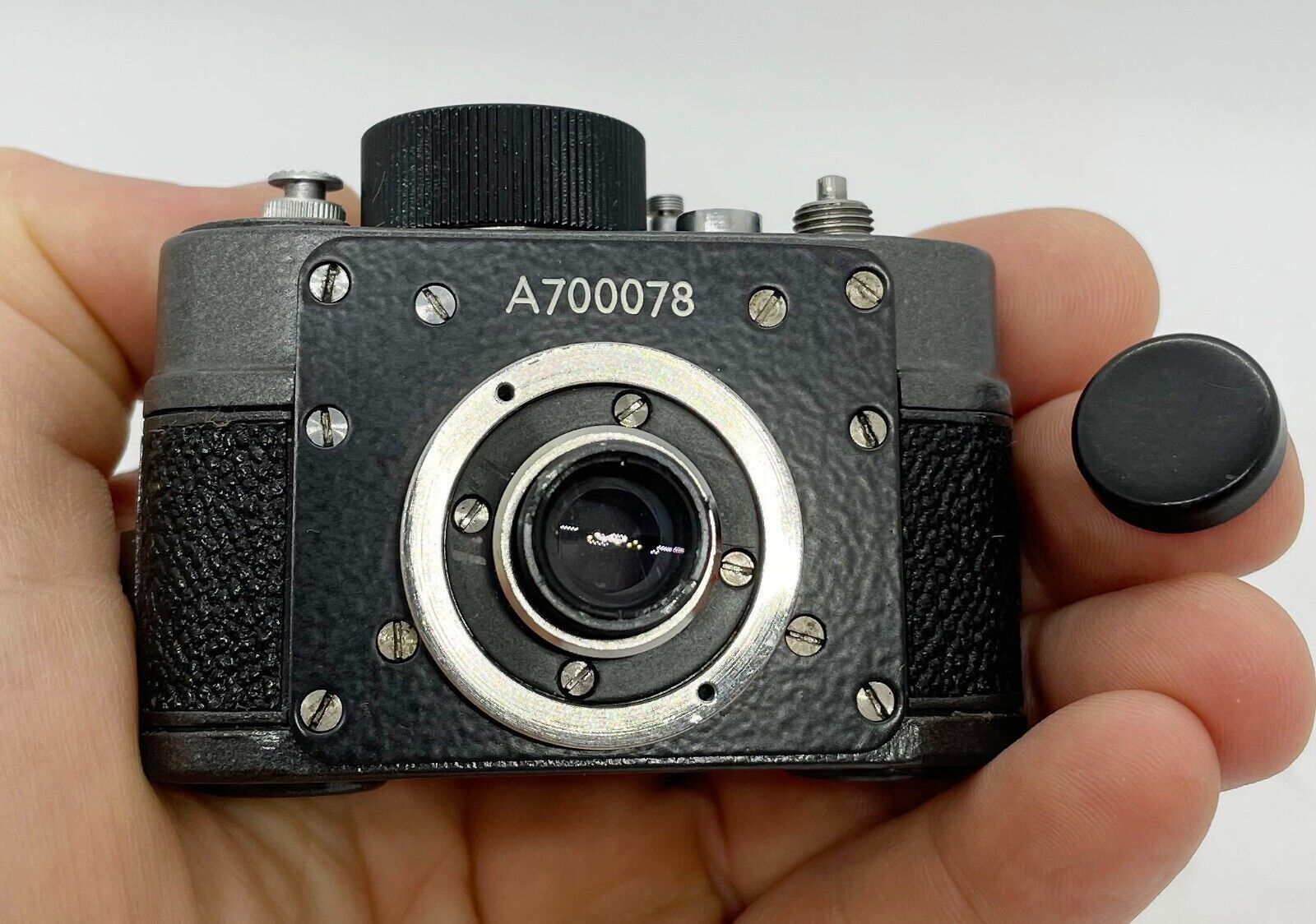
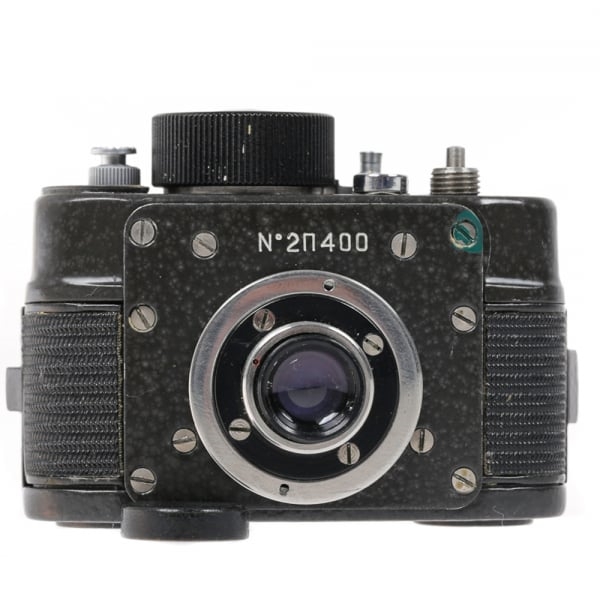
I have A700072! I've often wondered about it. But not as strange as the serial of the first camera above.
Reply author: uwittehh
Replied on: 20240323165055
Reply author: xya
Replied on: 20240324134821
Reply author: Detlev
Replied on: 20240327150433
From Russia:
Serial numbers of special equipment depended on the customer. The description was in the terms of reference.
The only thing I can say is that "БЛ" (BL) is the factory index of the drawings.
For example: BL3.821.031 is "mikrofotoapparat F21T".
Reply author: Detlev
Replied on: 20240331013712
The cameras starting with letter "A" came from Russia some years ago.
Reply author: Vlad
Replied on: 20240520113042
Welcome Liukai! Wow I've never seen a flash sync on these! What would be a purpose for that? Very interesting!
Best regards,
Vlad
Reply author: Detlev
Replied on: 20240520155714
Here is the translation
IR-„Ajax“
Verbindung IR-Blitzanlage mit Kamera „Ajax“
- 2 Blitzer und gestattet innerhalb von10 … 15 s 2 Auslösungen
- max. Reichweite (bei völliger Dunkelheit) 7 m
- Identifizierung von Personen bis 3,5 m
- Blitz ist nur bis zu einer Entfernung von 0,5 m sichtbar
- IR-Film aus Sowjetunion
-
IR “Ajax”
Connection of IR flash system with camera “Ajax”
- 2 flashes and allows 2 triggerings within 10 … 15 s
- max. range (in total darkness) 7 m
- Identification of people up to 3.5 m
- Flash is only visible up to a distance of 0.5 m
- IR film from Soviet Union
Reply author: liukai
Replied on: 20240520212154
It seems that I have collected a very rare camera
Reply author: liukai
Replied on: 20240520213156
<blockquote id="quote"><font size="1" face="MS Trebuchet, Arial, Helvetica" id="quote">quote:<hr height="1" noshade id="quote"><i>Originally posted by Detlev</i><br />In 1968 the Stasi has developed an IR-Ajax with flash. Therefore you need a sync
Detlev<hr height="1" noshade id="quote"></font id="quote"></blockquote id="quote">
thank the information you sent
Reply author: Detlev
Replied on: 20240525124040
Reply author: Detlev
Replied on: 20240525125023
Serial numbers
There have never been general rules for numbering experimental and serial photographic and film equipment (with the exception of mass-produced lenses for amateur cameras, photographic enlargers and overhead projectors). The rules were defined in the Technical Specifications for the product or directly in the design documentation. That is, strictly speaking, any numbering system could be applied.
The rules for numbering lenses were established in the industry standard OST 3-3293 only in 1984.
The most frequently applied rules at the Krasnogorsk Mechanical Plant were:
YY...NN - where
YY - the last two digits of the year of manufacture,
NN - serial 1) number in the year,
... - padding with zeros to a certain value of the number, depending, as a rule, on the volume of production (4–8 digits).
This system corresponds to that established in OST 3-3293-84.
Experimental batches could be marked with a number with leading zeros:
00...NN - where
00 is a sign of an experimental batch,
NN is the serial number of the product in this batch.
... - padding with zeros to, as a rule, an arbitrarily specified value of the number.
Sometimes the numbering of prototypes was normal - with the last two digits of the year of manufacture in front. Perhaps the only difference between experimental products so marked and serial ones was that the serial numbers began with one (serial products most often began to be marked with tens or even hundreds).
When marking the serial production of some products, continuous (from the beginning of production) serial numbering was used, if necessary - with increasing number digits.
The serial number could start with the last two digits of the year or continue to be “zero”. So, starting with a five-digit number with leading zeros, for example, the first Zorki cameras from 1948 to 1954 were designated. A similar, but initially seven-digit numbering with leading zeros, was the numbering for the Helios-44 lens in the first years of production.
The principles of numbering during the release of the model could change - from continuous numbering to yearly numbering.
Other companies in the industry may have used slightly different numbering principles. For example, the same mentioned Helios-44, but produced by MMZ in the 1960s, used the GNNNNNN rule, where G is the last digit of the year of manufacture. Those. lens with number 5012345 - manufactured in 1965 2), and not 1950, as one might think based on the rule “the first two digits of the number - the last two digits of the year” (in 1950 the Minsk Mechanical Plant did not yet exist). Helios-44-2 lenses produced by MMZ in 1969 and 1970s had the same numbering method (accordingly, the lens with number 5012345 is here produced in 1975) 3).
Serial number of the Zorki-3M camera produced in 1955
________________________________________
With the release of large annual series of standard lenses for rangefinder cameras Industar-22 (folding version) since the mid-1950s, the seven-digit digit capacity initially incorporated into the technological process (the last two digits of the year and the five-digit serial number of the lens) began to be missing. In the seven-digit numbering of lenses from these years of production, only the first digit of the number was allocated for the last digit of the year.
Those. the number looked like:
YNNNNNN - where
Y - last digit of the year of manufacture,
NNNNNNN - serial number in the year.
Similar numbers began with the numbers “5”, “6”, “7” and “8” (respectively: 1955, 1956, 1957 and 1958). Already in 1957, some lenses had 8-digit numbering, where the first two digits of the number indicated the last two digits of the year of manufacture.
Serial number of the Industar-22 lens produced in 1956 (standard for the Zorki camera No. 56002747) 5)
________________________________________
In 1992, a small exclusive batch of 300 anniversary cameras ZENIT-122 “50 years of KMZ” 4) was produced. These cameras were numbered as follows: 50920ННН, where 50 is 50 years old, 92 is the anniversary year of production. In 1993–1994, the production of similar cameras continued, but the year of production was indicated the same - 1992, i.e. the appearance of the eight-digit serial number has not actually changed: 5092НННН.
________________________________________
Military products could be numbered in accordance with special rules defined by the Customer, for example:
ZYK...NN - where
Z is the last digit of the plant number,
Y - last digit of the year of manufacture,
K - release quarter number,
NN is the serial number of the product in the specified quarter.
The six-digit serial number of the AKS-1r movie camera 6) “311001” is deciphered as follows: “3” - KMZ (at that time plant No. 393), manufactured in 1951 (in this case), 1st quarter, first copy in the batch.
________________________________________
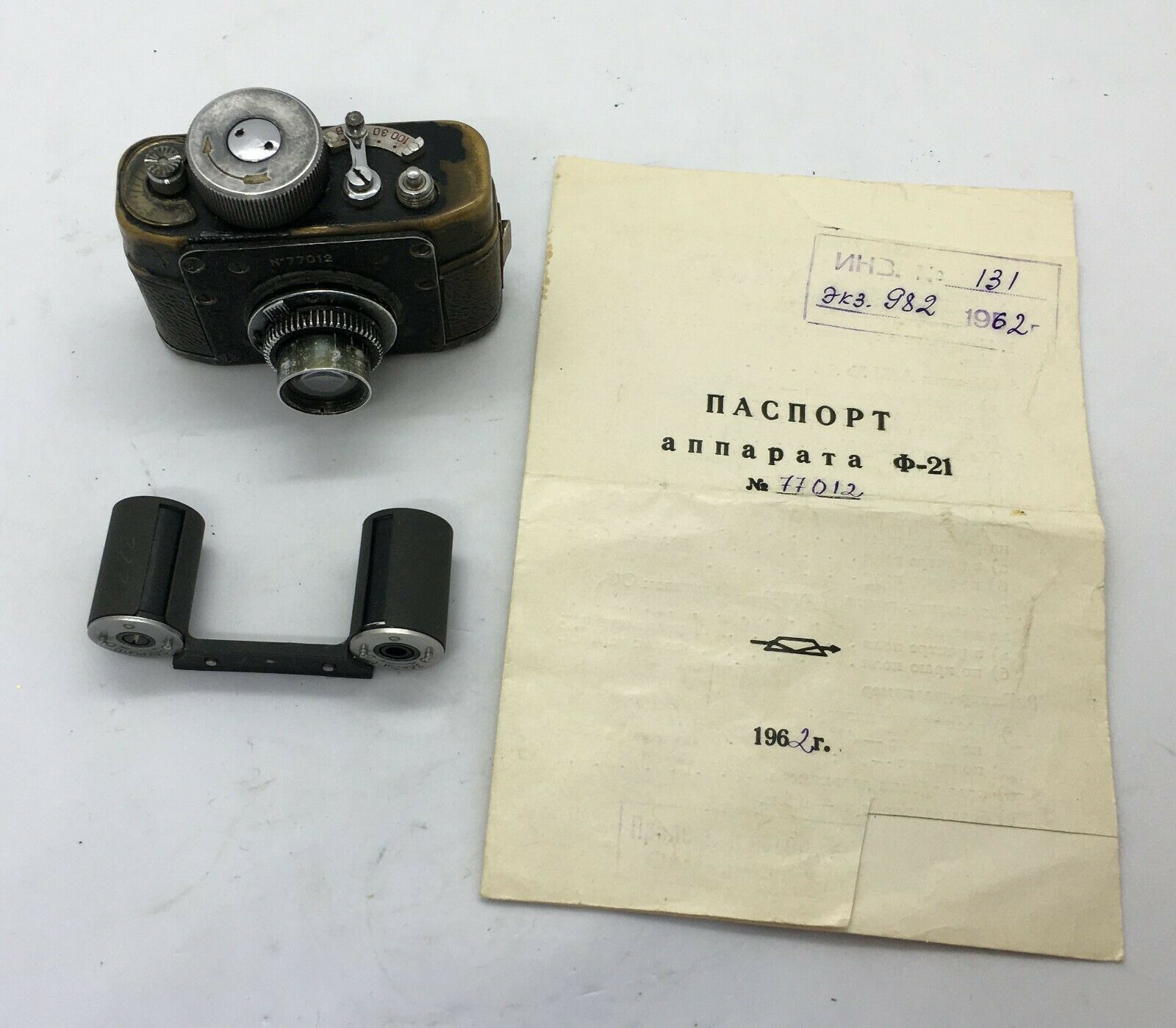
The numbering sometimes included letters. For example, the serial number of some editions of the F-21 mini-photo camera (aka MF-1) was as follows:
TYY...NN, where
T - a sign of tropical design (resistance of materials and coatings to high humidity and operating temperature; this index has nothing to do with the serial number as such),
YY - the last two digits of the year of manufacture,
NN - serial number of the product per year
In other cases, the letter in the number could have a different meaning, for example, the year of manufacture could be encrypted...
________________________________________
The numbering of lenses produced by the plant at the request of the Lomographic Society (Lomographische AG, Austria), for example: Petzval 2.2/85, although sequential, strict records were kept of filling out the number series, but the release was not carried out in numerical order.
________________________________________
Notes:
1) — The word “ordinal” should not be taken literally, i.e.: “starting from one, with an increment of 1,” without gaps. The serial number is intended for production control and therefore the only requirement for it: uniqueness for a given product for a given period of time. There are usually numerous gaps in the series of serial numbers, caused by various reasons, and a discrepancy, sometimes significant, between the maximum serial numbers and the number of products produced in a given year.
The numbering of some products produced by KMZ does not fit into any of the above schemes, but in any case, the serial number is a number that increases over time.
2) — Helios-44 lenses produced by KMZ are known, which had “Minsk” numbering of the form 4ННННН (1964) and 500НННН (1965).
3) — The numbering of lenses produced by MMZ has not been studied in detail.
4) - In addition to the light gray color of the body, the “50 Special edition” emblem on the top cover and other numbering, these exclusive cameras had different packaging and a different design of the instruction manual. Anniversary, but non-exclusive cameras produced in 1992 had the usual serial numbers of the form 92НННННН.
Sources:
5) — Photo of the Industar-22 lens was taken from an advertisement for sale at the Molotok.Ru auction.
6) - USSR MV. Plant PO Box No. 2. Technical conditions for AKS-1. 1951
F-21 device passport No. 77012 (with OF28 1.8/28 lens No. 05547), KMZ, 1962.
________________________________________
Related links:
Serial production of KMZ cameras
Serial production of KMZ cinema cameras
B.V. Davydov: From magnifying glasses to high-precision weapons - about the history of the domestic optical-mechanical industry.
Reply author: seany65
Replied on: 20240605160903
Thanks for the info, Detlev.
I know this won't be answered on this forum so I'm really just thinking out loud, but I wonder if non-Soviet makers had such complicated numbering systems?
Reply author: cedricfan
Replied on: 20240606024653
Complicated or not, many German and Japanese manufacturers have at least some kind of link between production time and serial number. I would say the Soviet way was clearest possible in most cases, which ironically makes the exceptions even more odd.
Best regards,
Juhani
Reply author: AlexanderK
Replied on: 20240622070815
Hi Guys,
think about, that this camera is a KGB camera. The military specifications had in the Soviet Union nothing to do with consumer production. It could be completely different.
Regards, Alexander