
The role of the amateur photographer in studying one's region.
Everything in nature is changeable, in this never-resting, constantly working grand factory. Some phenomena proceed with lightning speed, not always even noticed by us; others more quietly; still others so slowly that only over the course of years — or even centuries — can one notice the changes in them.
Nature is life; it is movement, the birth of new forms, new combinations, each time different, unexpected, often pictures unknown to us. How, then, to study these continuous changes — now running in seconds, now stretched over several human lifetimes? Much inventiveness, enormous labor and painstaking work had to be spent by researchers to adapt themselves to the study of the world around us: to dissect its phenomena into component parts, to speed some up and slow others down, to accumulate from year to year, from decade to decade, the observed material, so as then to form a conception of nature and its riches and to use them properly for human needs.
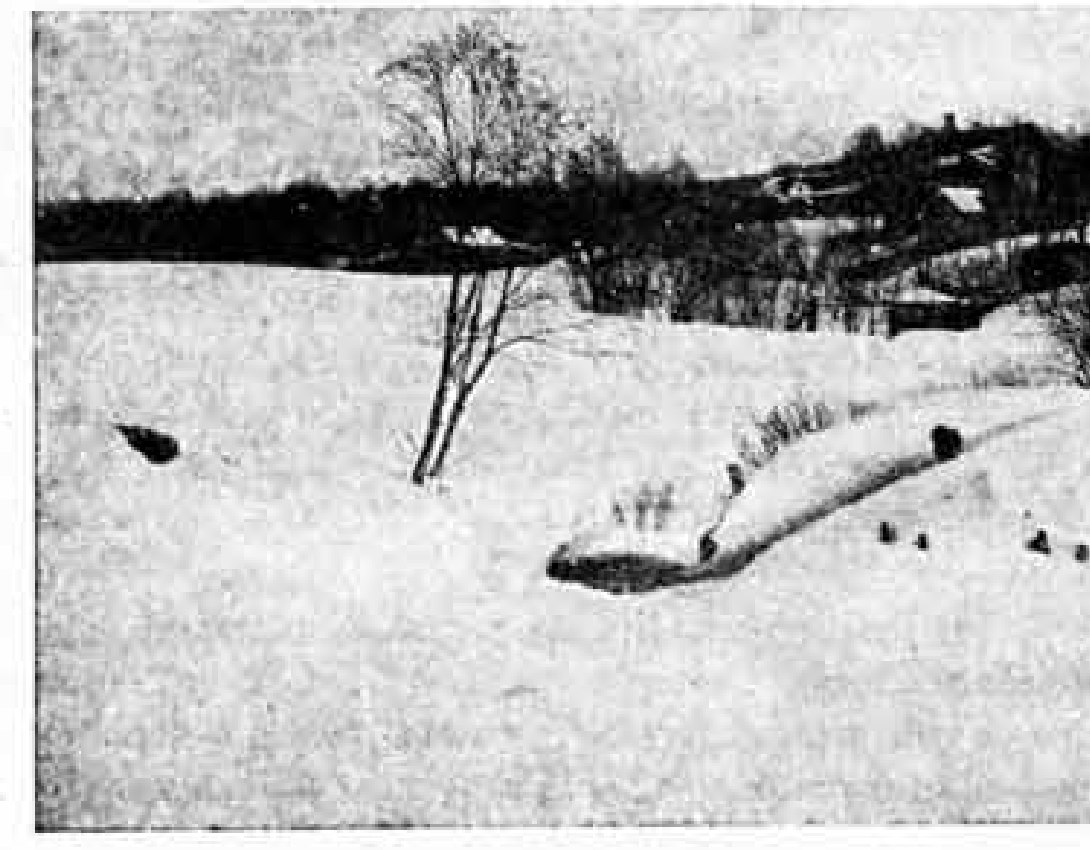
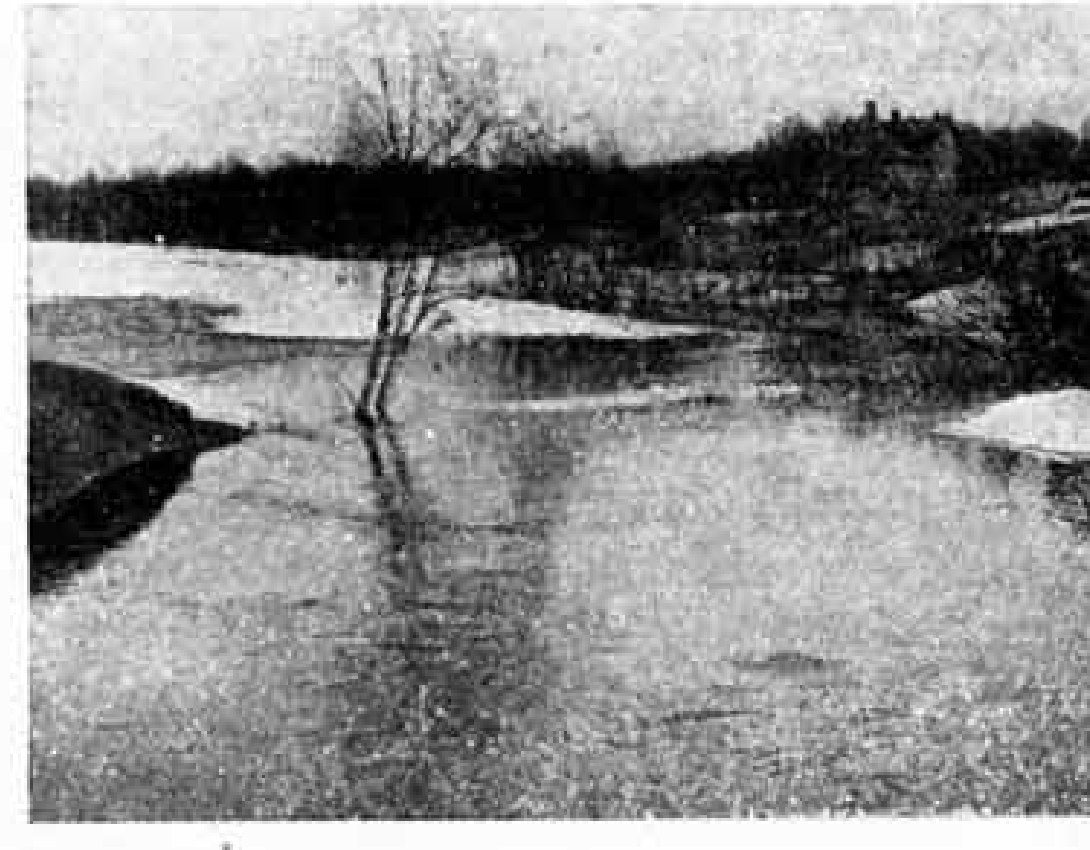
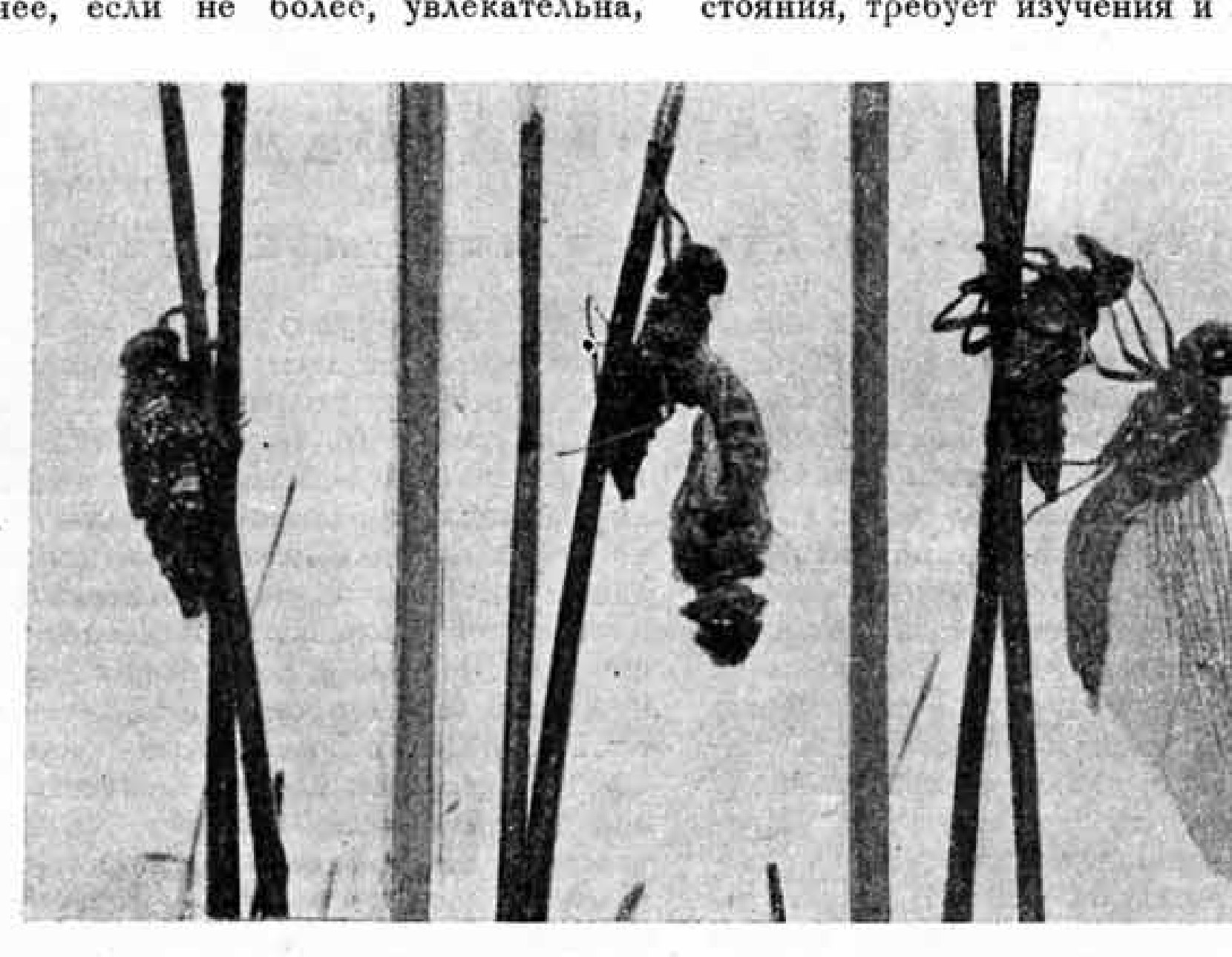
Now, with the development of photography, when it has become accessible to everyone, the methods of studying nature and man have been considerably simplified. The photographic plate dispassionately and precisely records everything; the camera creates an incontrovertible document that remains forever at our disposal and lets us study the phenomenon it has captured for as long as we like — comparing it with others obtained years or decades later, or with similar works by other researchers. On a plate one can fix a very rapidly passing phenomenon, or the successive stages of forms that develop extremely slowly. As the snapshots accumulate, this makes it possible, at a single glance over the successive prints, to determine the path of development of a slowly unfolding process. Finally, photography gives full power to record even what the observer's eye cannot make out — whether through the distance of the range, the weakness (low brightness) of the object, or, finally, its microscopic scale. The telescope, a long exposure, and the microscope, combined with the camera, solve these tasks with ease.
Photography is one of the most brilliant inventions, one that has brought incalculable benefit to the material culture of man. The Soviet Union is enormous; to study it is the most pressing task of the day, the current question of construction. The more intensively and fully we study the conditions of existence, the natural riches, the variability and the possibilities of the various corners of the USSR, its peoples and their populations — the more successfully and fully we shall be able to use what nature has so generously scattered across the vast territory of the Union. And we cannot boast of knowing it: time and again we “unexpectedly” stumble upon phenomena and goods hitherto unknown to us. And here, for the thoughtful, serious photographer–local historian, lies an enormous field for needed, fruitful work.
We repeat: thoughtfulness in local-studies photography rules out our photographers' love of “clicking” the shutter. One must set oneself a clear goal, work out a program, and carry it out systematically and painstakingly. Only then will the usefulness of this work soon become obvious to the worker himself.
Hunt not with a gun but with a camera! And this hunt is no less fascinating — if not more so — than hunting with a gun. You will build up albums characterizing the various sides of the region's life: views of its flora, general and individual specimens; representatives of its fauna, their habits and life; the customs and types of the population; the architectural features of the region, its geological structure, and so on. These materials are invaluable for our Academy of Sciences, for the study of a country still so little known to us.
The local historian studies, describes and observes the region, and records his observations. But how weak the pen is beside a photograph, a picture! And how strong a description becomes when supplemented by illustrations — the documents of your camera.
Collect a herbarium of the region's plants, but give also a general view of the fields and copses where they grow. Amass a collection of the region's butterflies, but try to obtain a shot of a butterfly in its natural setting, on a flower, sipping pollen. Your collection of skins, skulls and skeletons will be invaluable if you add to it snapshots of the animals and birds it represents, capturing their habits, customs and way of life.
Fulfilling these tasks is not simple: it requires exposure, adroitness, many trials and failures, various combinations — sometimes a telephoto lens, sometimes releasing the shutter from a great distance; it requires study and knowledge of the locality and of the habits of the animals photographed. But this hunt is fascinating, and the benefit it brings is enormous. We say “not simple,” yet we must add: to the one who thinks himself into this work, it will come to seem more than simple. Working from year to year, he is drawn into it, yielding the material needed to study the region.
Take an interest in the task; do not fear failures. On the pages of our journal you will find ample help — systematic, concrete directions on how to photograph for the study of a region, how to work out a program, adapt the apparatus, and systematize and study the results.
Do not click the shutter in vain — seek the sense and purpose of your work.
— S. Baranov