
Part 2 of P. Grokhovsky’s essay (Part 1 appeared in No. 1): light and shadow, colour, the lens and the point of view as the structural knots of the “dynamic frame.”
Light and shadow
A sharp transition from deep shadow to bright light, from black to white, is always perceived by our consciousness as rapid movement, as a leap. Heinrich Wölfflin, in his study of the essence and origin of styles, Renaissance and Baroque, gives this definition: “Light and shadow by their very nature contain a strongly expressed moment of movement.” And if sharp transitions are perceived as a leap “from–to,” then the gradual passage from deep black tones, through gammas of lighter half-tones, to pure lights may be compared to a gradual ascent up the staircase of human perception.
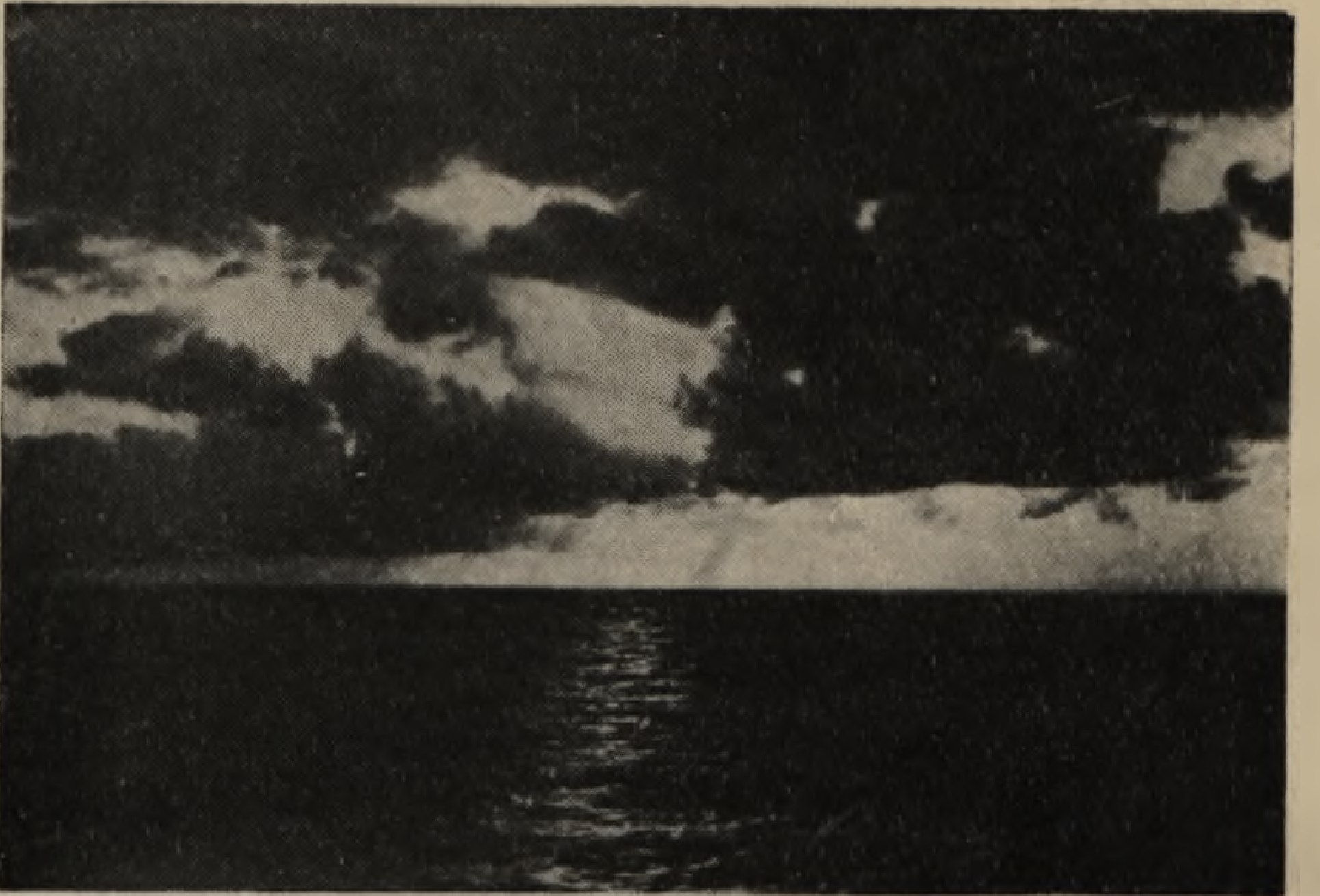
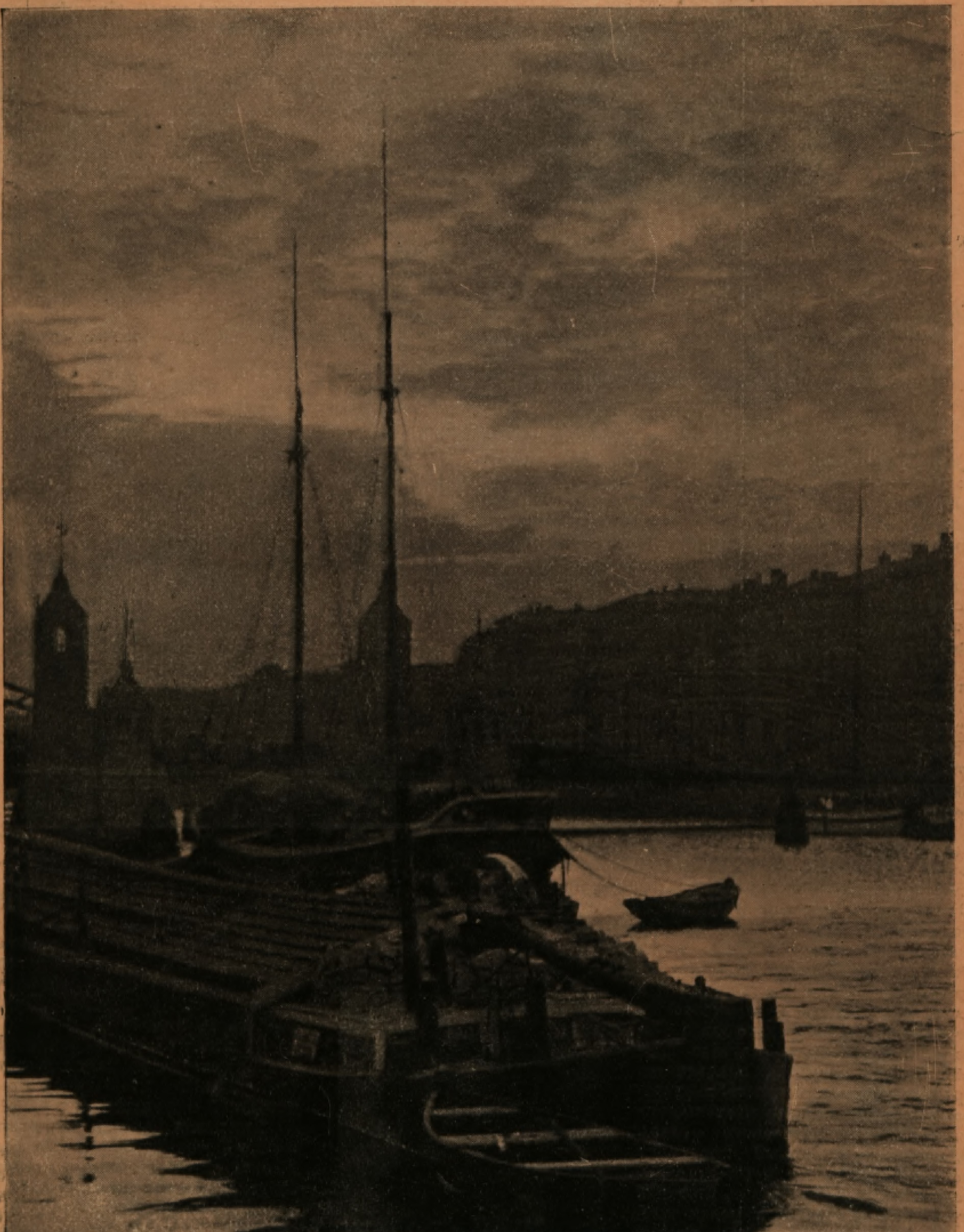
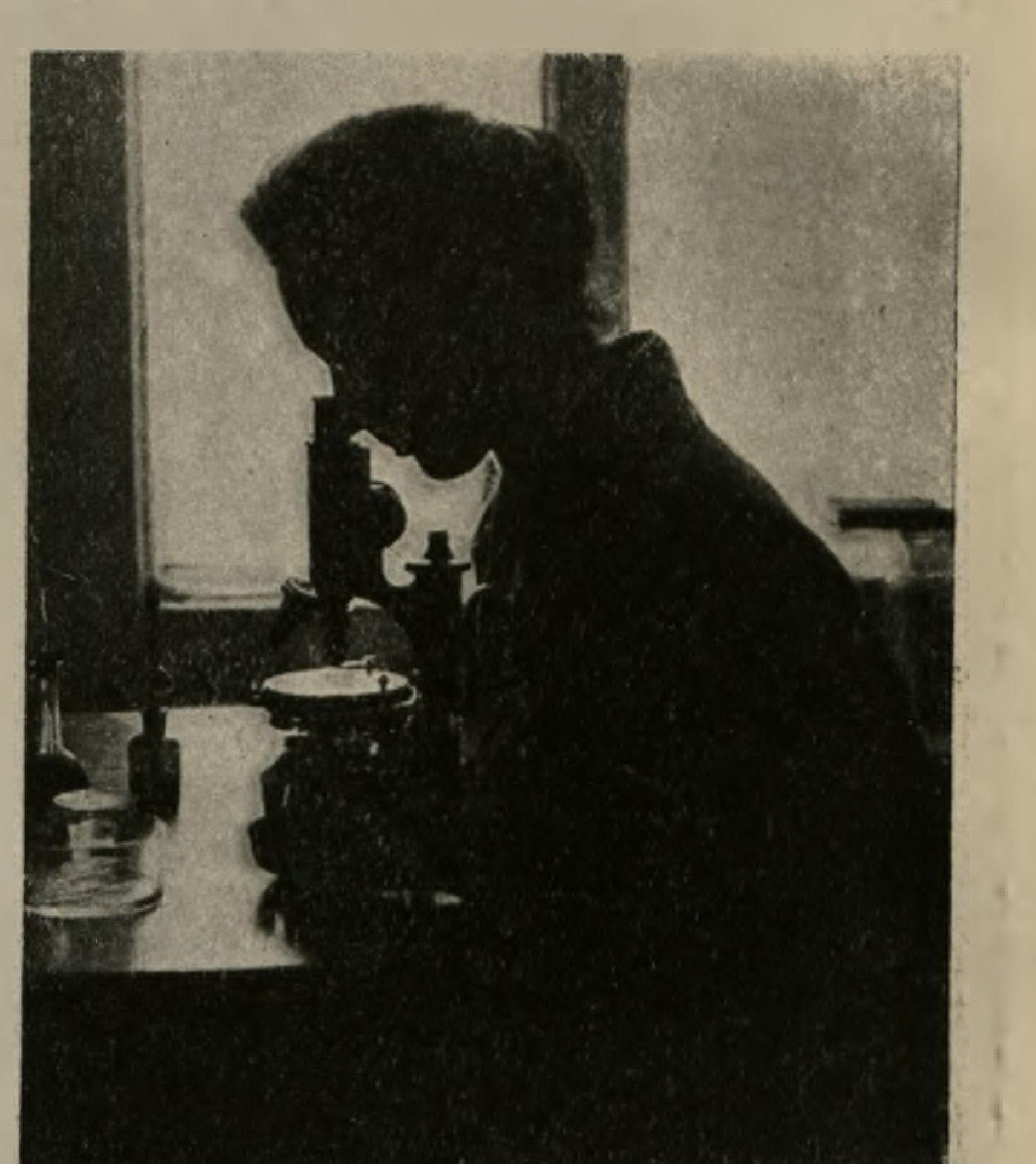
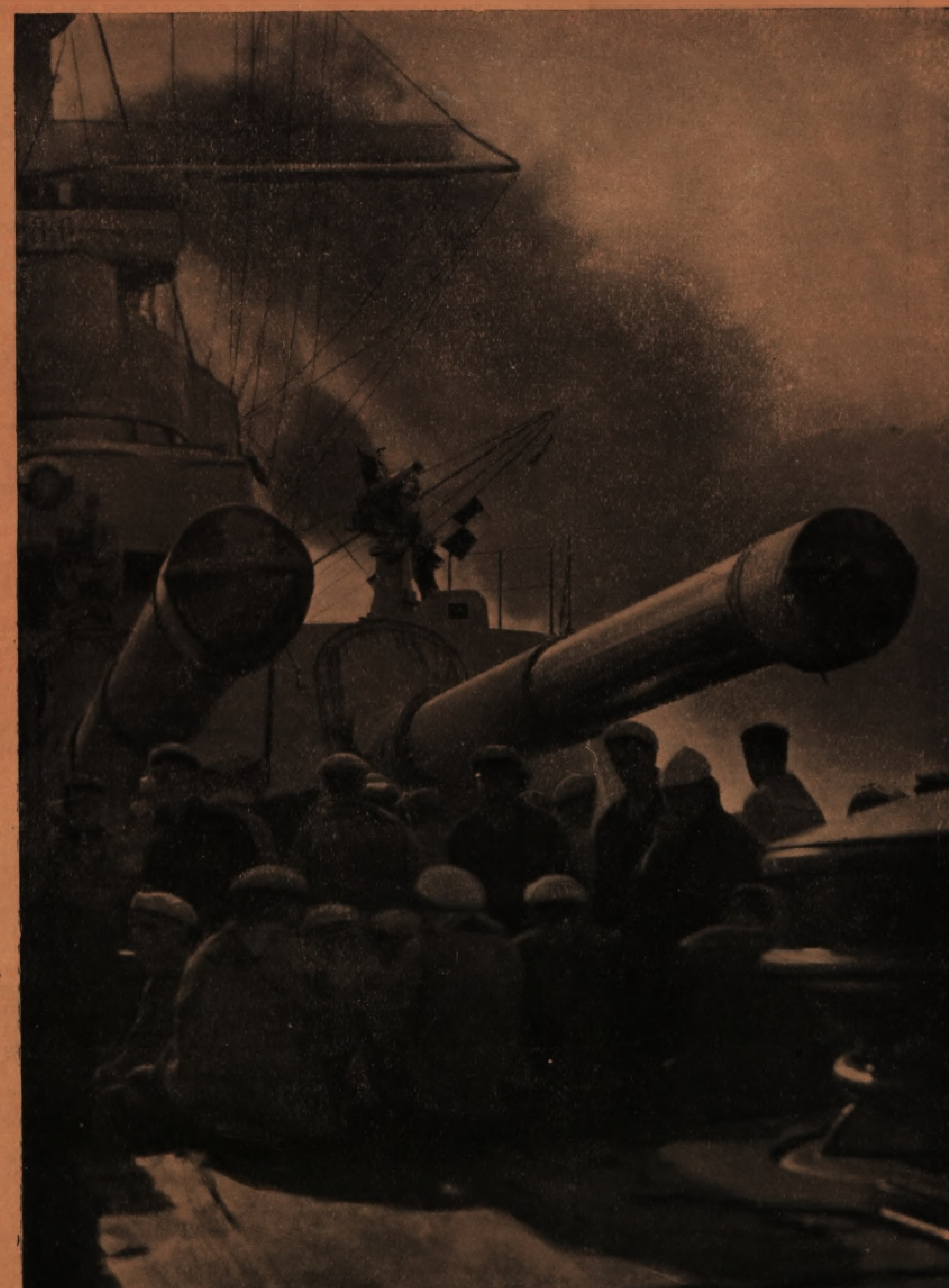
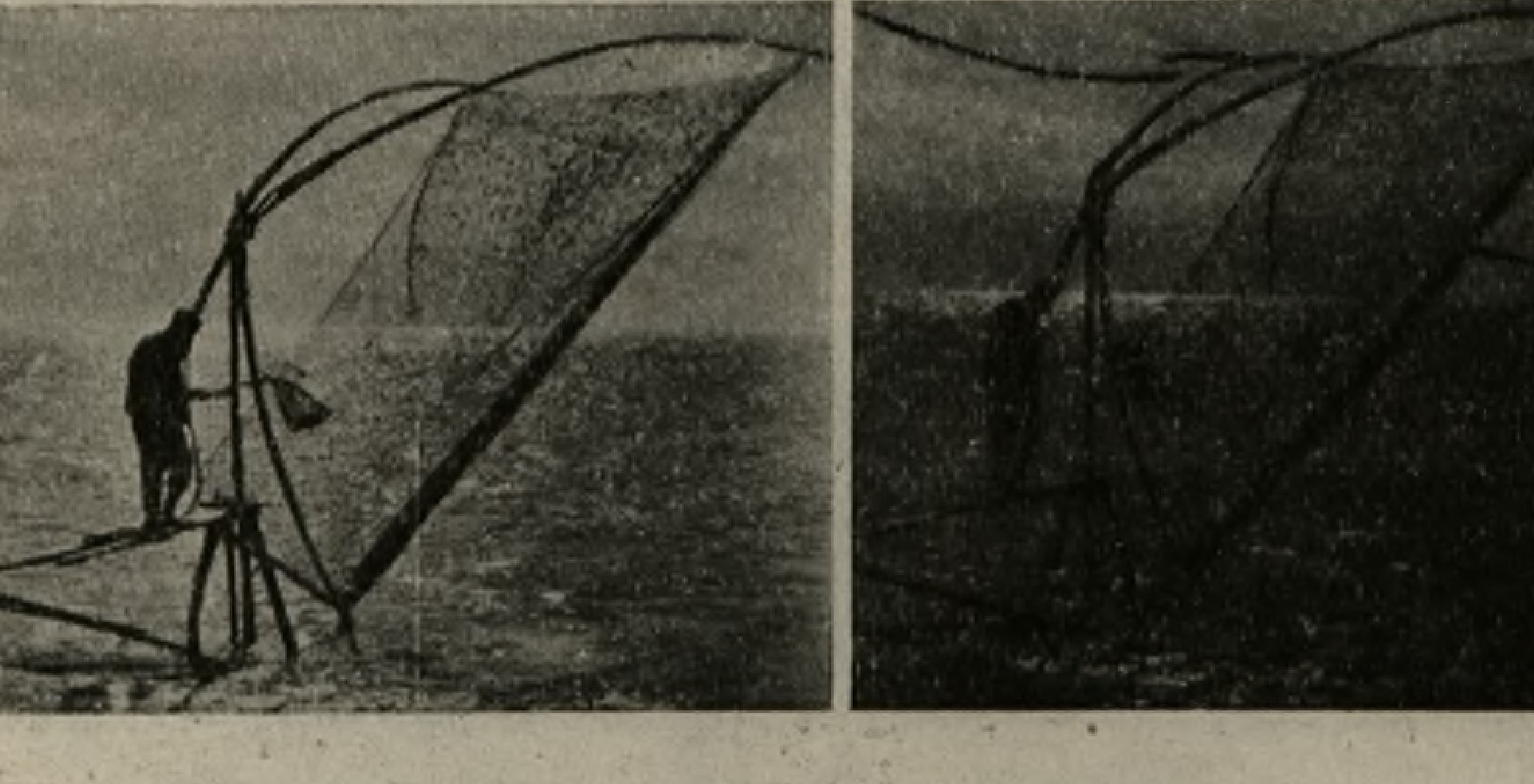
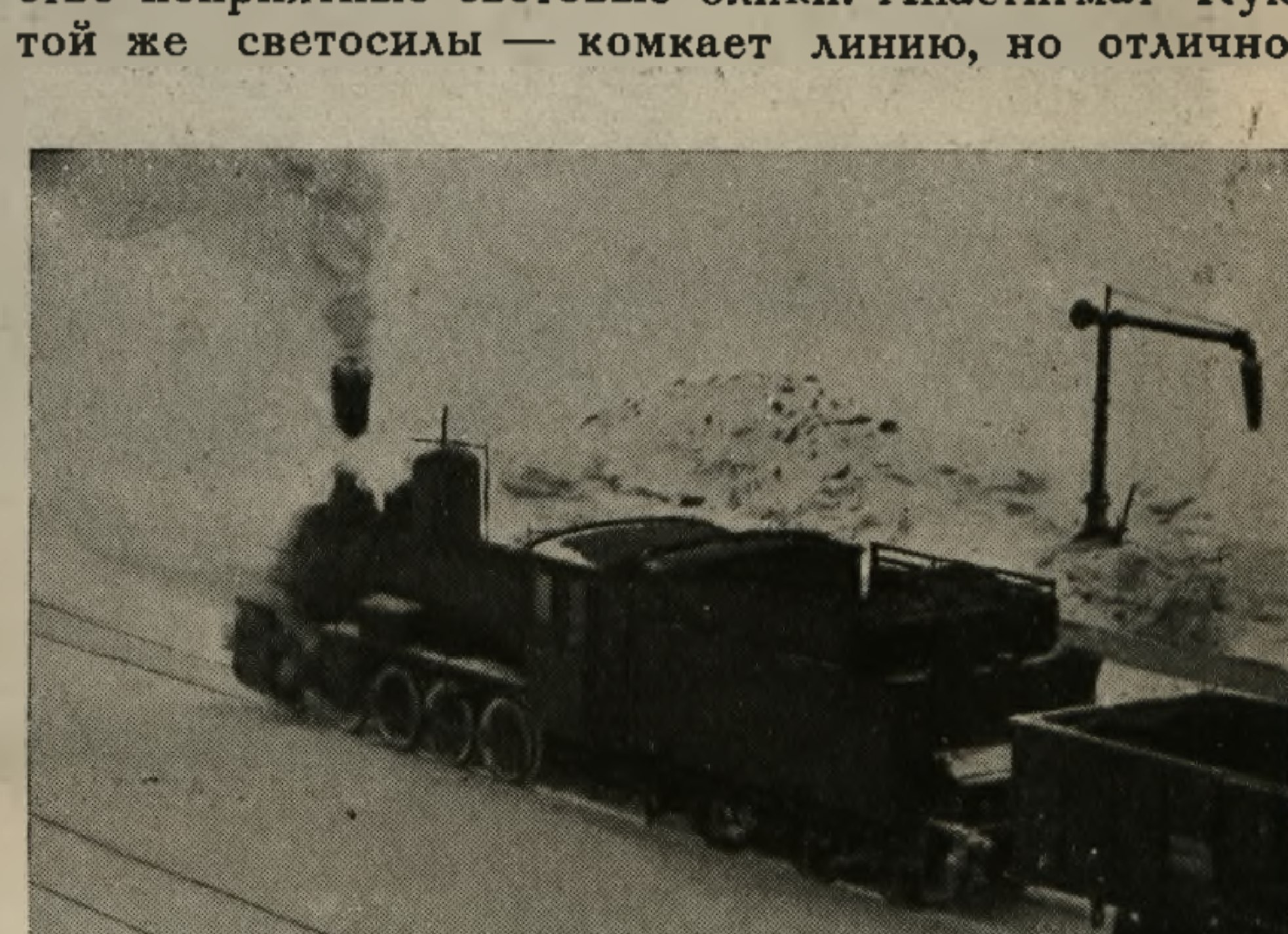
One may call especially “photogenic” those phenomena in nature in which the force of light-contrast is great. The well-known amateur enthusiasm for shooting “night” studies by day against the bright sun rests on this often unconsciously felt law of contrasts; so too the photographing of clouds and smoke-screens. Here belong also the so-called contre-jour shots, against the light (see photos 2 and 5).
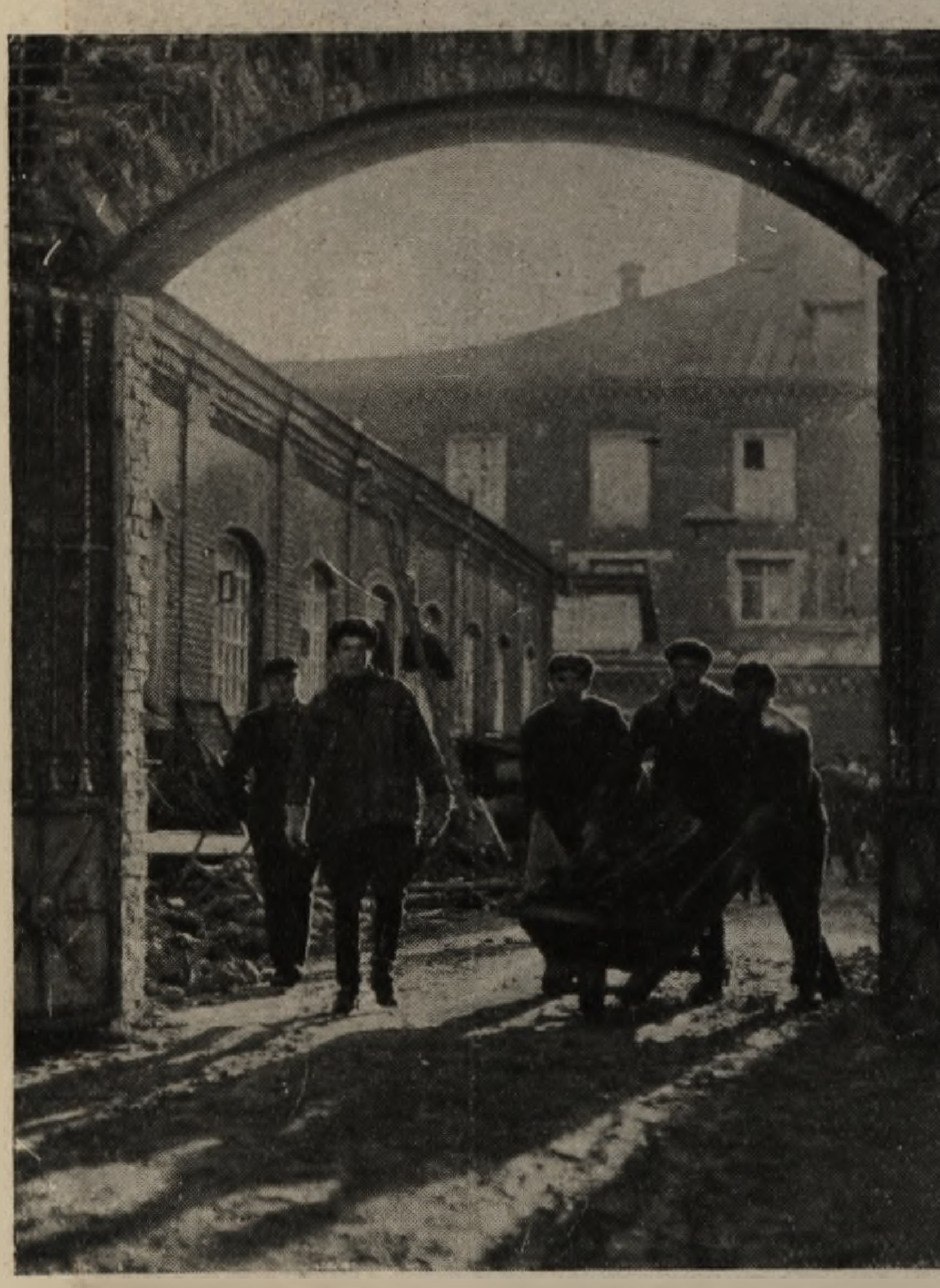
If the source of light moves in a circle, with the photographer and the object at the centre, then there are as many lighting combinations, each with its own character, as there are points on that circle; with two sources of different strength, or one source and reflectors, the number grows to infinity. There are two further cases: “upper lighting” (the zenith), and the favourite cine-device of the “white cord,” where the source stands almost overhead and a little behind the model, which is drawn against a dark ground. A sharp bright cord then outlines all the contours and lends the image a special liveliness and relief (see photo 1). As in optical construction, the sharp centre lies on the main object: the maximum of light falls where the viewer’s attention must be concentrated. However many sources we take, this law of the unity of lighting must be unconditionally observed.
The gamma of tones can be short or very long. In graphics the silhouette has only two tones, black and white; photographing against the light on a ground of sky or lit white surfaces, the photographer too can create silhouettes whose charm depends on his ability to resolve the task by purely graphic means. Working with large exposures, as the photo-reporter Fridlyand does, one can obtain a low-detail image of masses and convey their general power and force — shots of viaducts, bridges, towers and the like.
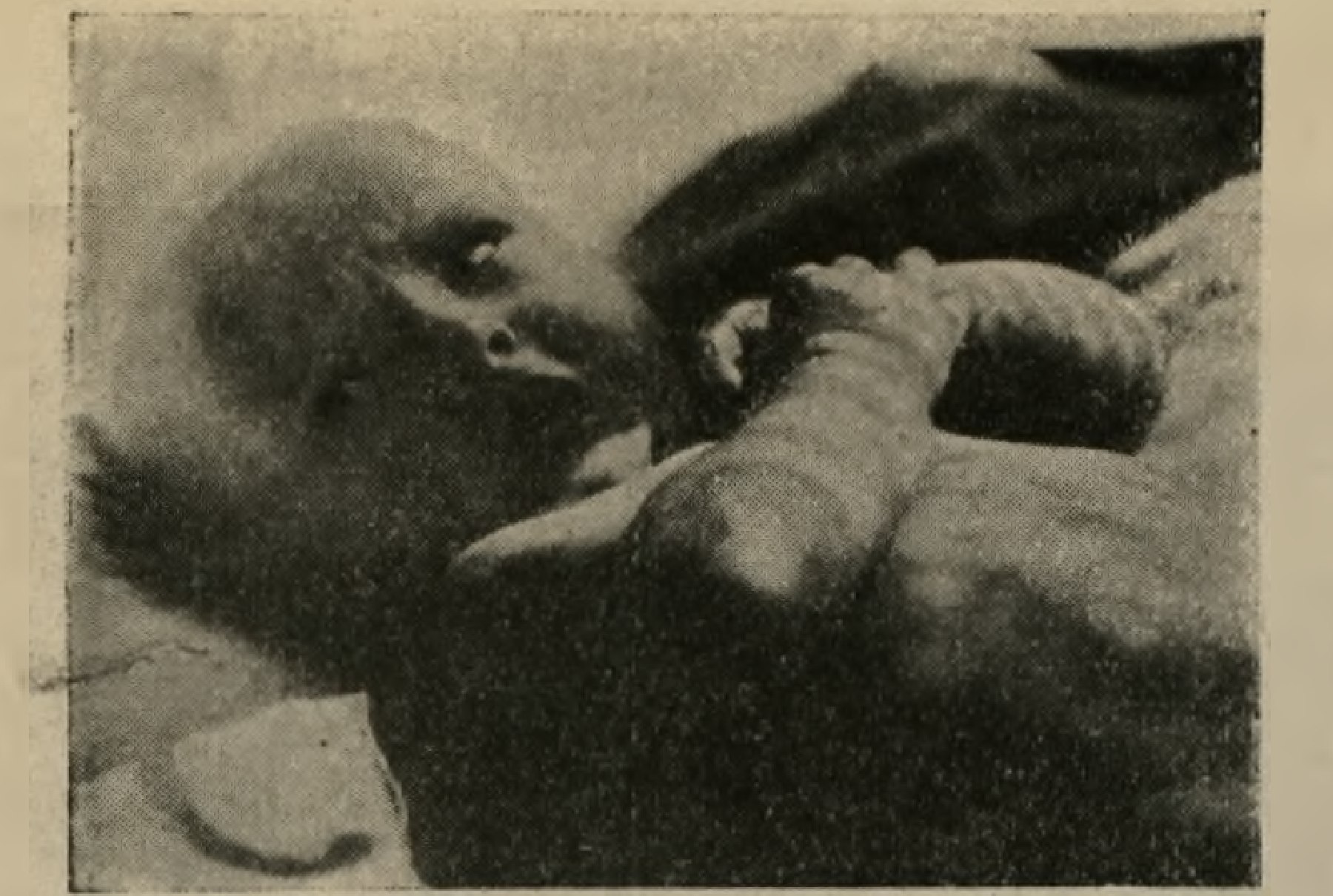
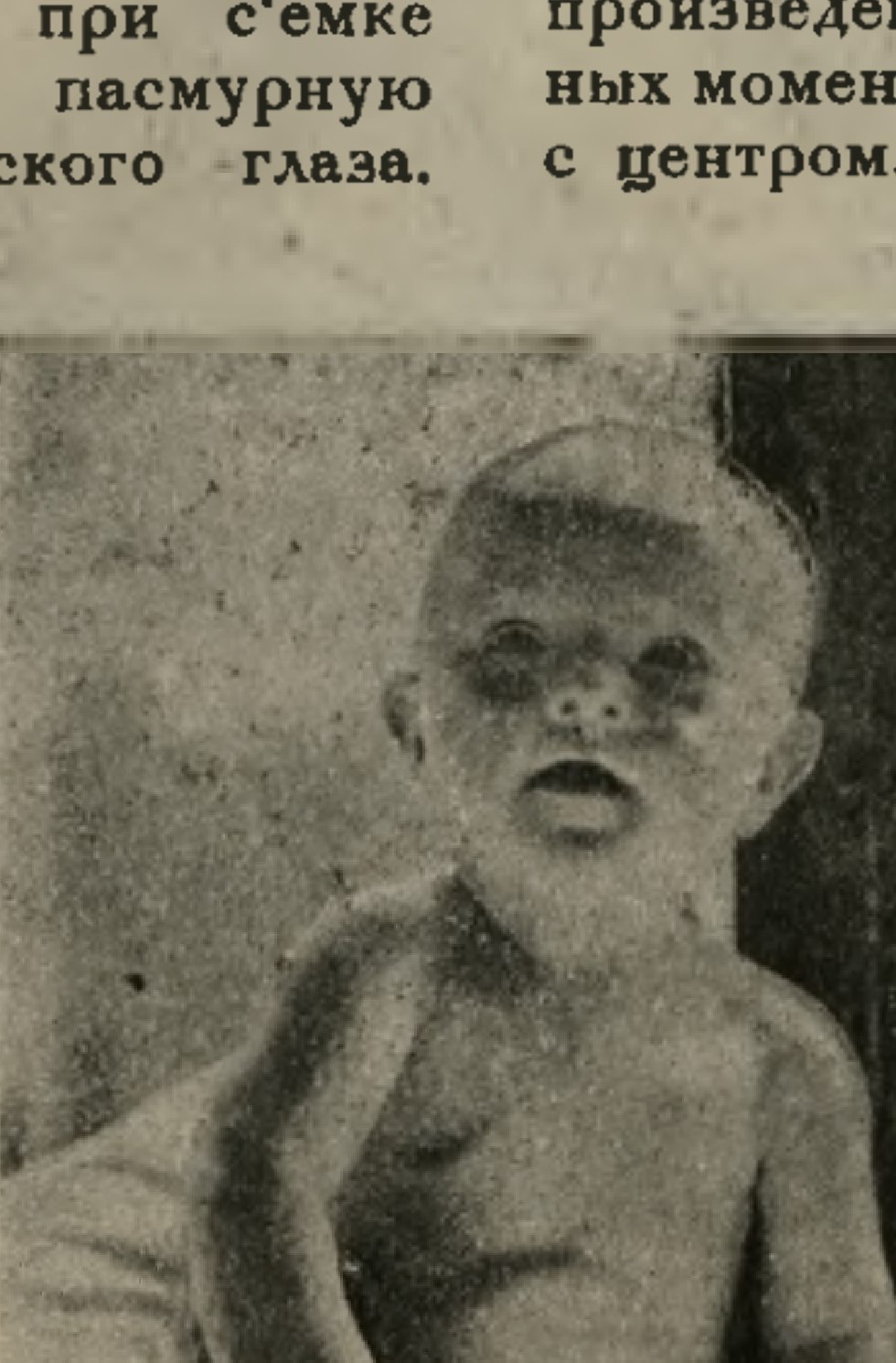
Working, on the contrary, with small underexposures, with suitable developers and positive printing, one can find within a very small gamma a rich modulation of transitions. This method is used in most of his works by the artist-photographer Yeremin: the darkest place in his frames equals a light-grey haze, and from it to white run the most delicate half-tones, interweaving with one another. His frames have a certain airiness bordering on dreaminess. The method of tonal saturation and the method of rarefaction serve special ends: in photos 3 and 4 the crying child has a tense gamma, while the child’s smile is expressed by rarefaction.
Colour
The third problem of light and shadow is colourfulness; its technique is the colour-sensitivity of the plate and the light-filter. The trouble with ordinary black-and-white photography lies in the different colour-perception of the human eye and the normal plate — though one should not always call it a trouble, for a plate often sees a grey subject, or cloudy weather, more contrastily than the eye. An aesculin filter strips the blue haze from the distance, and the plate then sees more perfectly than the eye. In most cases, however, one must bring the plate, by orthochromatization and filters, up to the colour-rendering of the human eye. Two paths open here: to convey colour truthfully without extinguishing the main light-knots, or to use the object’s colour for compositional ends with a suitable filter, correcting an unsuccessful lighting.
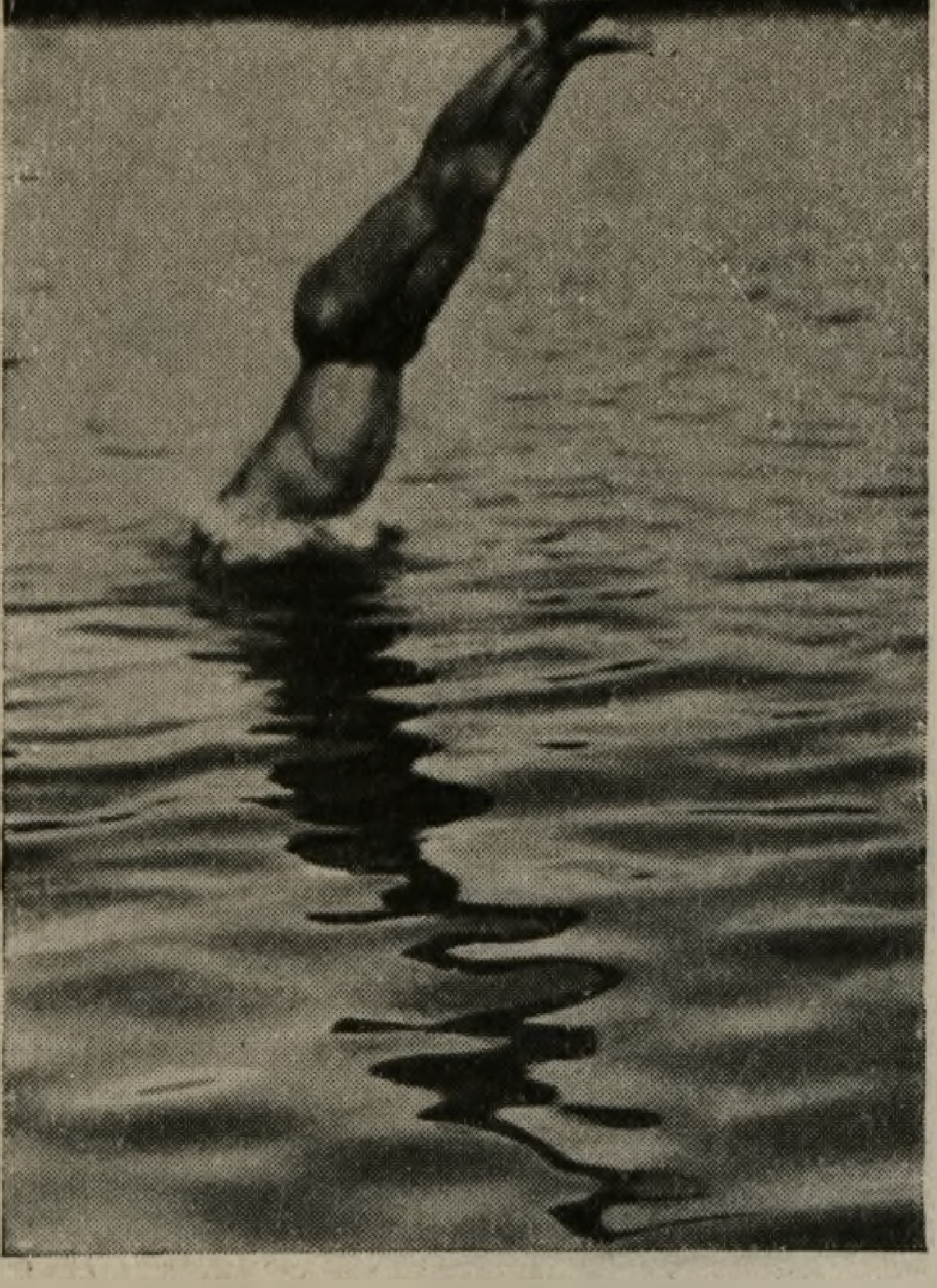
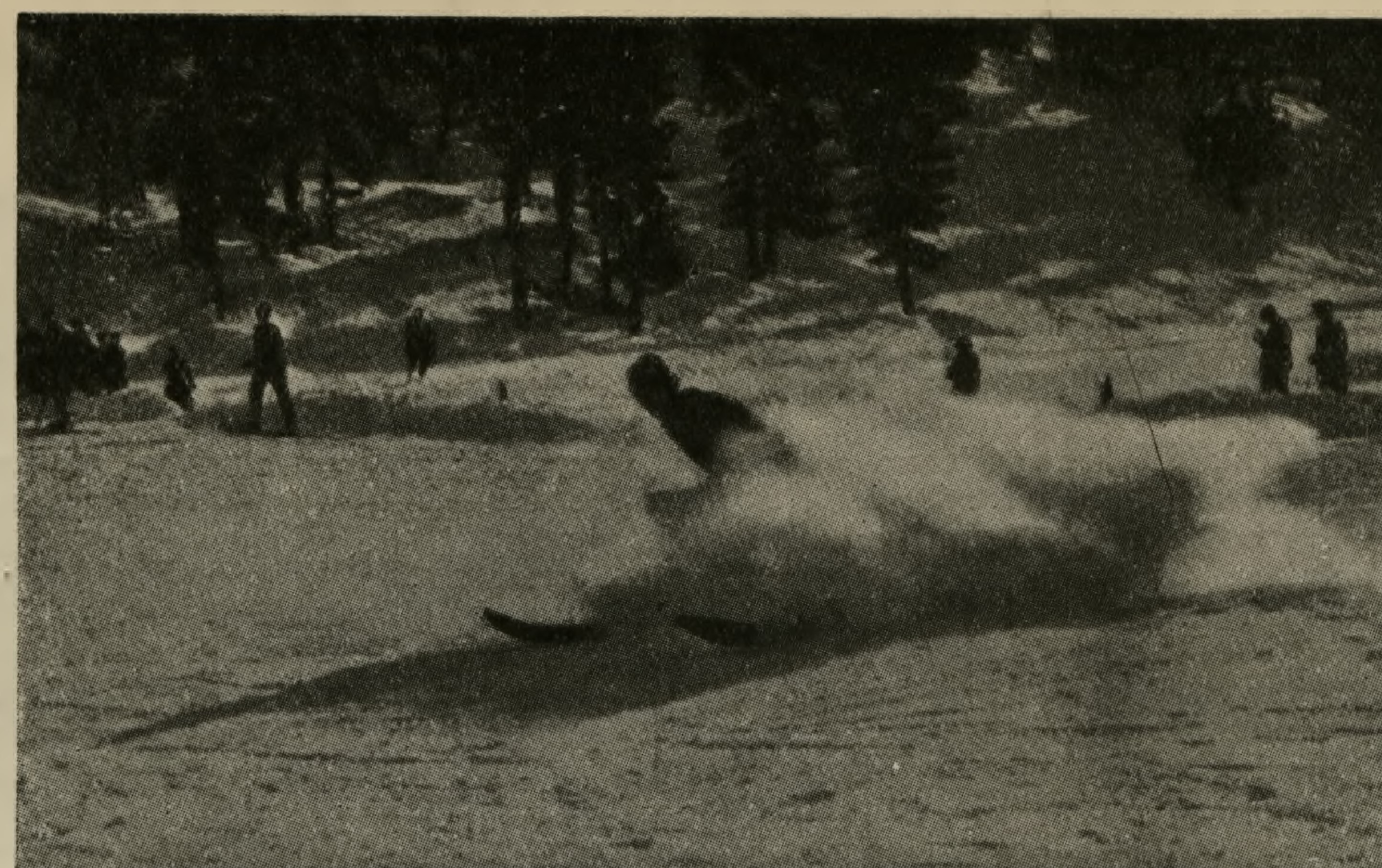
The concept of light-and-shadow should not be confused with the general shadow cast by an object under sharp lighting. Such a shadow has enormous compositional significance: it characterizes space more strongly than the mere tension of lights. The recitative of trees in an avenue going off into the distance becomes especially telling through the falling oblique shadows; a shot of a forest grows clearer when the trees cast shadows. The shadow of a moving object can characterize the space crossed — or can hinder the sense of movement, as in shot 1, where the shadow runs ahead of the figures (consciousness is used to a shadow accompanying, not preceding, an object). Shot 6 shows a happy use of shadow: a strong dark shadow taken in the foreground raises the tonal gamma and introduces the eye into the picture. Light-shadow knots can, in the best works, be tied into independent rhythms bound to the centre — as in the works of the photographer Geyman in the journal Prozhektor for 1923, or in the backgrounds of Nappelbaum.
The lens
Art-historian Professor Sidorov defines the lens thus: “It is a marvellous glass photo-eye; it looks into life otherwise than we look with our own eyes.” Our relation to it is that of a joiner to his chisel; we are not dazzled by its marvellousness but make it work as our purpose demands. A Dagor or Tessar conveys an event excellently; a simple spectacle-lens conveys “mood” better. The short-focus lens gives us a panorama; the long-focus one halts the viewer on a single detail.
The theorists of the past demanded lenses of 25–30° angle of view — a focus of 300–400 mm on 9×12 cm. To work constantly with such “cannons” is hard even for the amateur and almost impossible for the reporter; and where a concentrated frame is wanted they are useless. Hence the advice to shoot with a short-focus lens of 120–150 mm on 9×12 cm and then enlarge only a part, 4½×6 or 6×9 cm, throwing the rest away — consoled by the philosophical maxim “the part is greater than the whole.” But real photographic creativity must aim at a full picture on the whole plate, in the camera; selecting parts, or cropping an “artistic” print down to the size of a postage stamp, is by no means a creative path.
Short-focus optics shortens space and, in conjugate foci at close range, gives a special relief and stereoscopy, letting in more elements: a political survey, a shot of human masses, a panorama, a clear separation of objects from their surroundings — all are unthinkable without it. Close-ups of distant things, portraits, and the kinds of sport where it is dangerous to be near the camera (football, hockey) require long-focus optics, which also serves to pick out objects optically at a distance. Thus no single lens meets every need; each task sets its own, and the artist needs a large, carefully chosen set. One must even reckon with such subtleties as this: the Tessar F/4.5 draws ideally but strips half-tones, loses focus quickly and throws unpleasant glares in the out-of-focus field; a Cooke anastigmat of the same speed crumples the line but conveys half-tones excellently, with a softer, more gradual passage into the unfocused space. But this is a matter of craft, for another time.
The point of view
The diaphragm, too, is an element of optical composition. A small stop “dries the air” and renders near and far planes equally sharp; modern optics being well corrected, one rarely needs to stop down to cure its faults, and resorts to this strong means for composition only when close foreground planes are introduced.
The third knot of composition is the foreshortening (rakurs) — the “point of view of the lens,” the very point to which we invite the viewer. Its choice, like the handling of light and the choice of optics, depends wholly on the artist’s task; one must know beforehand what one wants and not go to the shoot on the off-chance. The horizon line can be raised or lowered, either by moving the whole camera or by shifting the lens-board: raising and lowering the camera keeps the horizon central, while shifting the lens-board changes the character of the frame and gives the greatest hold on the viewer’s attention. Shot 8 is meant for a headpiece, with the horizon switched off altogether.
Meeting reality “head-on,” with the ground glass parallel to the subject, gives the “normal picture plane”; tilting the camera up or down departs from it, and such oblique projections let us show ordinary things in a foreshortening the viewer has never seen, enriching his cognition of the world. By tilting and then bringing the ground glass parallel to the picture we can exploit distortions of size: shooting a standing figure from below we lengthen the stature; in a portrait we can enlarge the “thinking” part of the face, the forehead. The point of view can reveal the symmetry of things, or destroy it: in architecture, to avoid a dead symmetrical frame, we take lateral or oblique viewpoints to build a dynamic one. The standpoint may also seek out “counterweights” in sliding constructions — a method we ourselves never use, holding both symmetry and counterweights to be enemies of the dynamic frame.
In music one may lead two melodies rhythmically coupled; in poetry, alternate strophes that confirm each other; in painting, develop one theme through drawing and colour. That the same end may be reached by disconnected paths toward one rhythmic perception is shown by the shots of the amateur I. Chechurin in the “Sov. Foto” competition “At Work,” who gave, on simple celloidin paper, highly artistic models of fine creativity.
— P. Grokhovsky
(Continuation — “The Photographing of Movement” — in the next number of the journal.)