
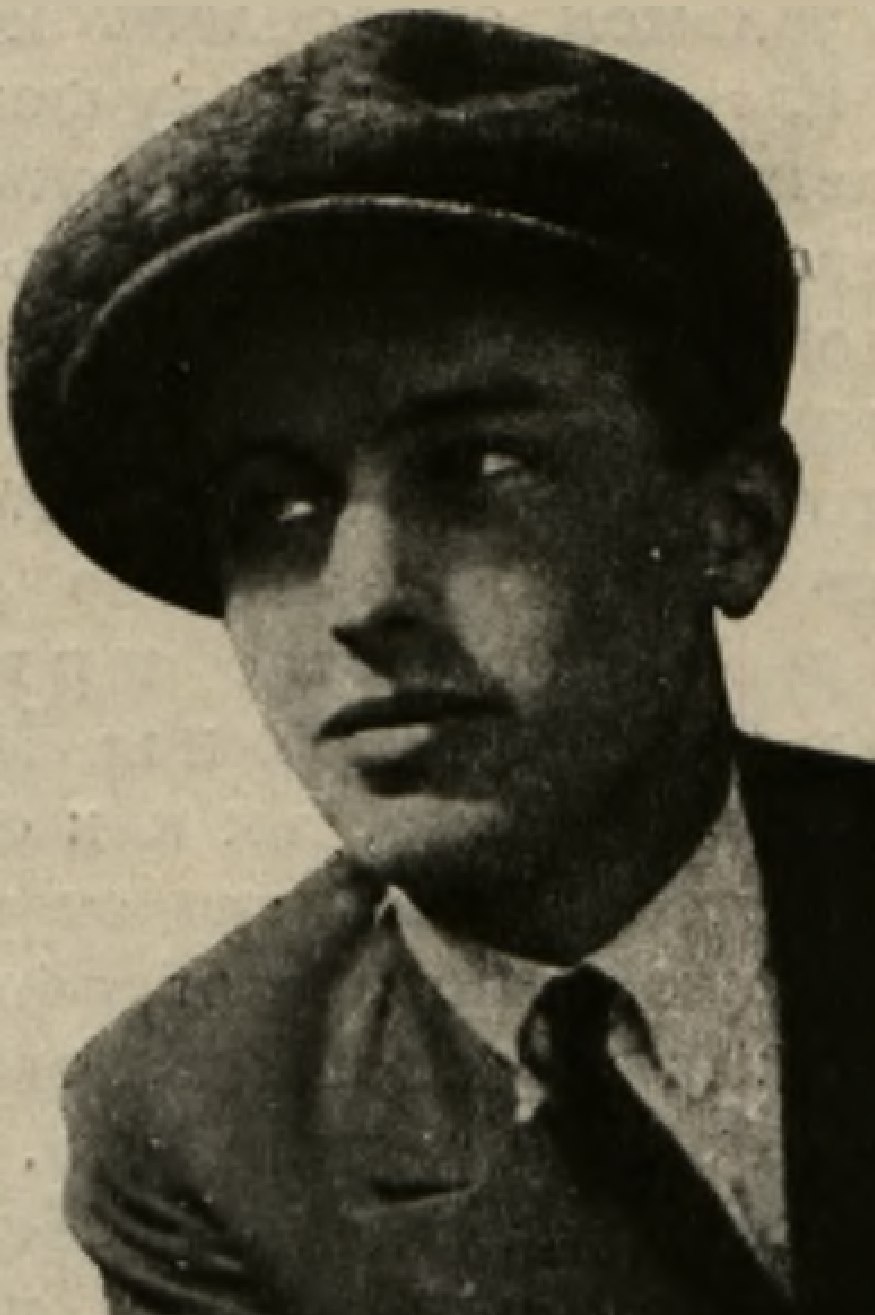
R. Karmen (of “Nasha Gazeta”) — on the reportage photo-study — in the series “Photo-Journalists on Their Profession.”
In connection with the latest exhibition of photo-reportage, criticism levelled a string of charges at the photo-journalist — of anti-reportage leanings, leanings toward artistic photography, aestheticism and so on: “You are not photo-reporters, not newspapermen — you are photo-artists.”
The Soviet photo-reporter is an illustrator of the new, many-sided life that springs up in the street, the factory, the club, the sports ground, the village, the family of the worker and peasant. Yet, aware of this, criticism pins a label — “study,” “aestheticism” — onto a competently taken, artistically pointed shot, built by the laws of the frame: a worker at his machine, a rabfak girl at her books. At the same time the reporter is charged with departing from “pure” reportage, by which is here meant the shooting of chronicle — the arrival of ambassadors, a fire, a leader speaking from the tribune. Technically the ambassador’s arrival is far harder than a reportage study: one must catch the fleeting instant, climb onto the carriage, cope with vile light.
But the experienced reporter’s chief merit is not only in overcoming such obstacles. He must, beyond doubt, avidly fix the phenomena of the present day, his work like the life of a mayfly gathering from today all that is bright, outstanding, remarkable. Yet the mayfly’s role does not exhaust his whole task. There are phenomena of another kind, also “of today,” but living longer than an hour or a day. In fixing these he easily draws the charge of “studiness” and “aestheticism,” for here he passes from the role of fixer and stenographer to that of illustrator of life. In reflecting the new daily life his work is not bounded by today alone; his task is to see and render in relief a moment of no interest to the photographer-artist — who is no journalist, able to shoot beautifully a thing no one needs, since to him the theme matters less than the artistic filling of the picture-plane.
Photo-reportage above all needs in the shot a theme that strikes the eye of the viewer and reader. To bring it out, the skilled reporter must weigh every detail, care for the right distribution of the parts, the completeness of the drawing, the lights and shadows, and seek new foreshortenings. A dynamic, artistically executed photo-study that reflects our “today” is in no way a departure from “pure reportage”: it is necessary, and the reproaches of our critics should not be aimed at it.
— R. Karmen