
Part 3 of P. Grokhovsky’s essay (Parts 1–2 in Nos. 1 and 2) — the hardest problem of all, the photographing of movement itself.
Conveying movement is the most difficult task in photography. In nature the eye follows the moving object and the brain builds a synthetic image; the lens cannot follow, and to catch the object unsmeared on the plate one must usually resort to very high shutter speeds. An object caught at 1/500 second often takes forms in which it looks unnatural, hanging in the air, quite unconvincing. The inventor of the klapp-camera and the blind shutter, Goerz-Anschütz, before cinema existed, set a row of his cameras along a track whose shutters fired automatically as a galloping horse passed each one: the analysis showed that at no instant does a galloping horse lift all four legs off the ground — the flat, airborne pose drawn by artists until then proved not to exist. E. Burinsky, in The Judicial Expertise of Documents, tells how the sculptor Falconet, commissioned by Catherine II for the monument to Peter I, had a hill heaped up and a rider gallop up it for hours a day, and only after long watching caught the needed pose of the mounting horse’s legs. In both cases we meet the conscious distortion of reality by the artist, to strike the viewer with synthetic images that do not exist in nature.
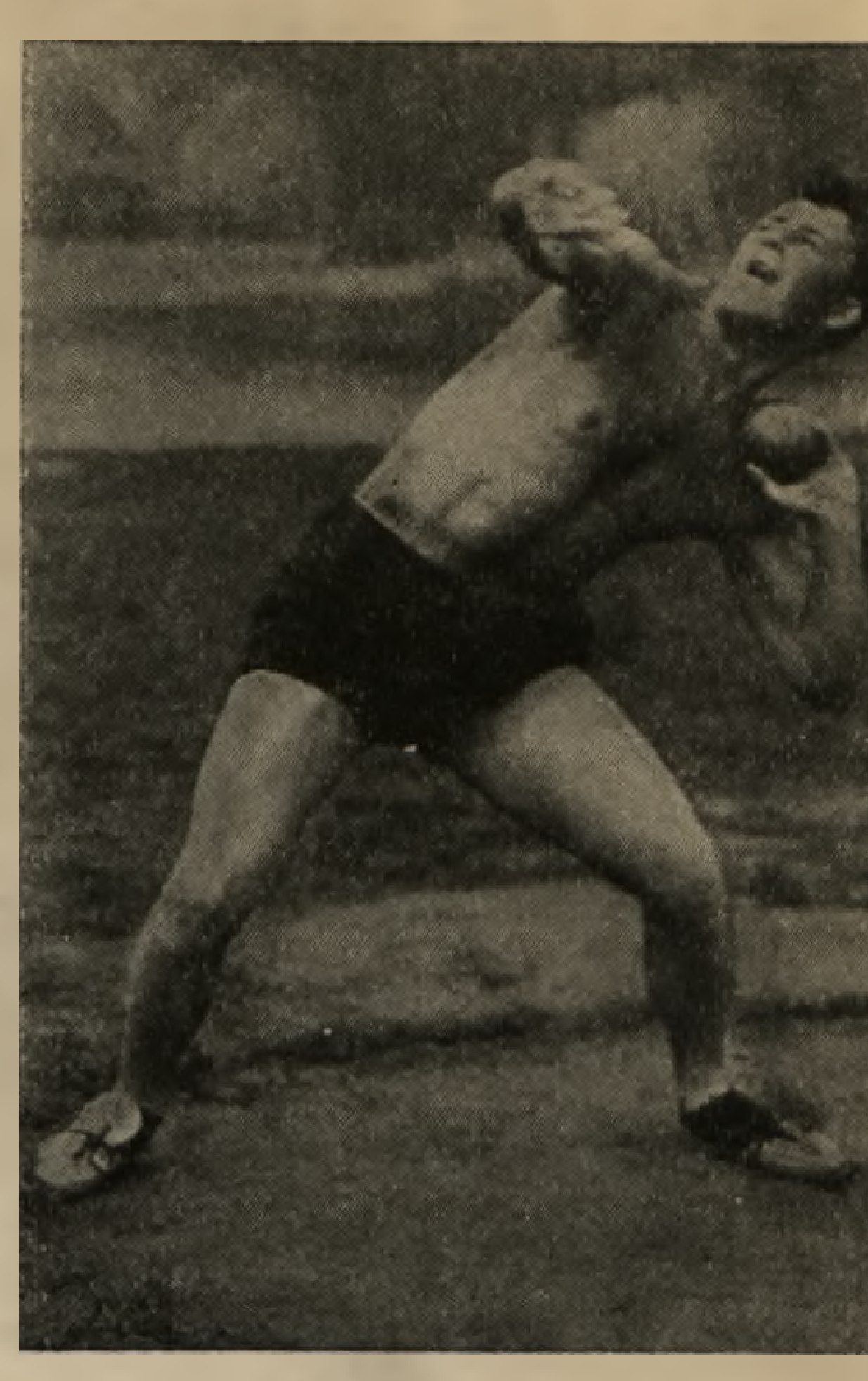
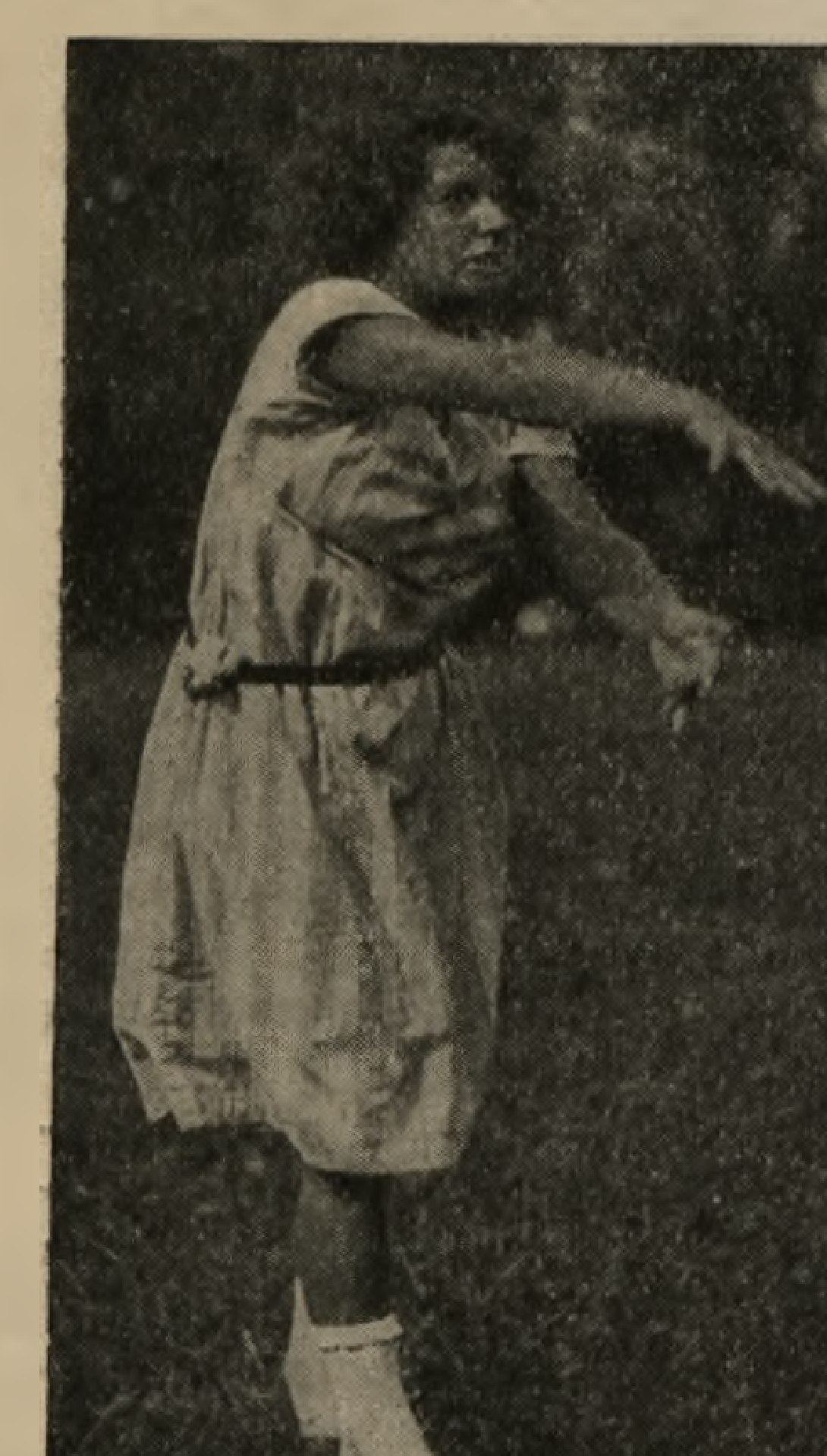
The dynamic frame is above all a photograph of movement — which is why the problem of photographing movement belongs in this essay. For the third year the Russian Photographic Society, with GAKhN’s Choreological Laboratory, holds exhibitions of movement photographs; but by tying the problem to the art of the dance it is placed in the aesthetic, not the purposive, field. The participants stand at two poles: some convey only the moving form in its altered outline, for others the form matters less than the trace in space the form left. There too a well-known professor of art declared that “form is inert,” that “every form hinders movement” (as in the prize works of Rybin and Yeremin). For us, the problem of movement in the fine arts is bound up with the problem of rhythm: rhythm is bound to time and space, the temporal being replaced in the fine arts by extension and scale, whose basis in the frame is the moving form. The obviousness of movement is made by form, by light and shadow, by the surrounding accessories, by the character of the space crossed or to be crossed. Movement yields a dynamic frame, not a dead slice of a moment, only when there is a responsive rhythmic weave of the moving forms with the surroundings in which the movement happens. And for us the question is not how to stage movement but how to take it most convincingly in life itself — where to find the right starting point, and how to fix the moment in which the movement of form is easily grasped by the human mind.
Composition
Movement has three basic moments — initial, middle and final (in sport, the start and the finish). At the start the movement has not yet unfolded, and conveying it makes it obligatory to stress the space the movement heads toward. The middle moment, when the figure is fully deployed, convinces only with a shift from the vertical axis of the frame — the passage from a symmetric to an asymmetric position. The final moment, the finish, interests when the frame stresses the space already crossed.
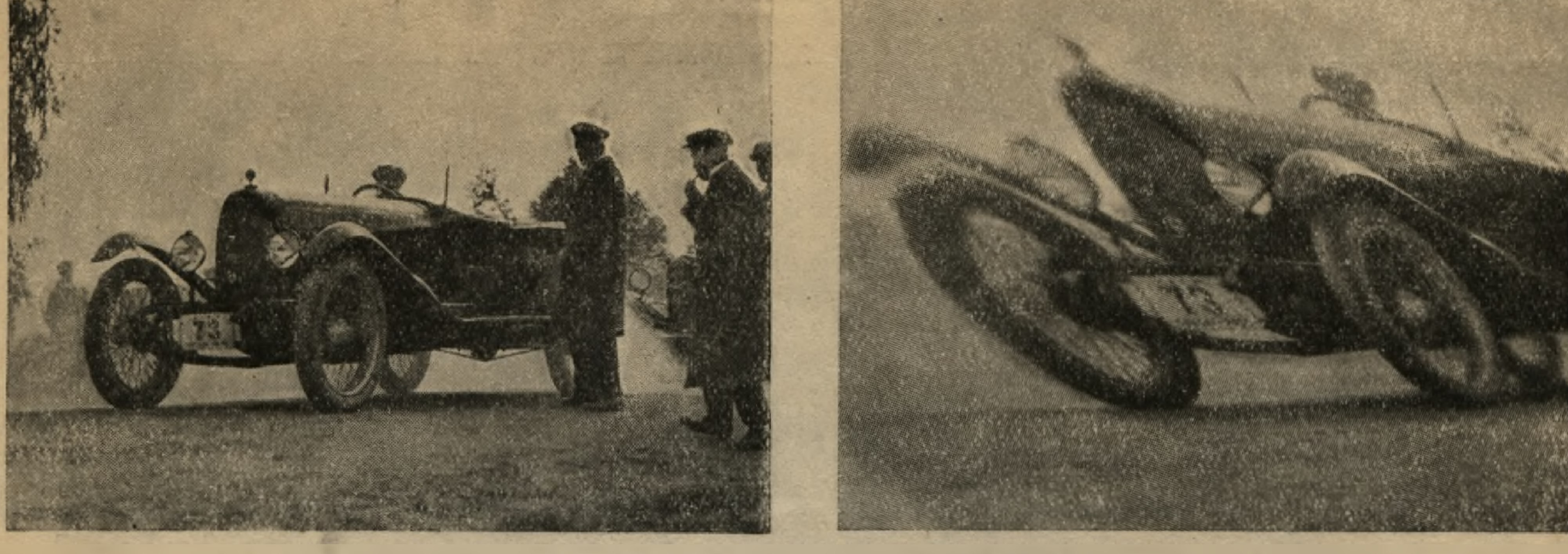
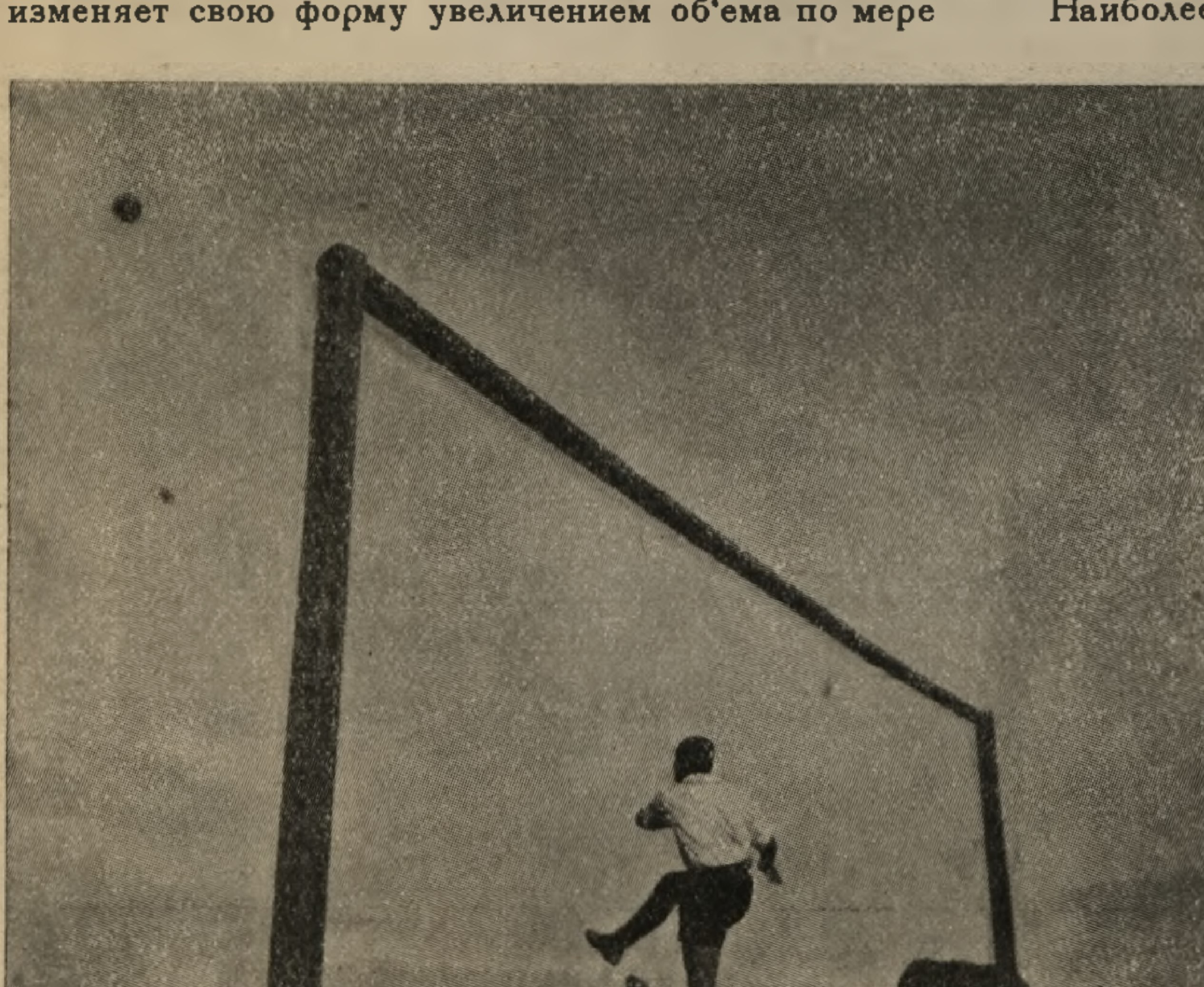
The camera’s relation to the moving form varies. It may take the movement en face, the object swelling in volume as it nears the lens — here shallow optics (sharp only on the moving form, the accessories in “flou”) or short-focus optics (exaggerating the moving form, shrinking the background) make the object seem to “leap out” of the frame. The camera may stand perpendicular to the movement — the hardest, most analytical, least convincing case, forcing maximum speed; more telling is to combine it with the light-shadow problem and give a silhouette (contre-jour) shot at the moment the form’s outline runs mainly along the line of movement. Shooting the movement into the back (receding), the method is the reverse of the first. The most interesting and favourite device is the relation to the form at an angle, obliquely, at 3/4: this gives synthesis, eases the reading of space (road or river becomes a system of inclined lines, the form not blocking the space), lets one use the object’s shadows, and lets the shutter speed drop — which in turn allows some accumulation of pose; the same holds 3/4 from behind. The faster the movement, the sharper the angle must be between its direction and the lens axis; with oblique projections (camera tilted up, down, sideways) and varied relations to the movement one finds extremely interesting viewpoints that bend the form in favour of the movement’s direction.
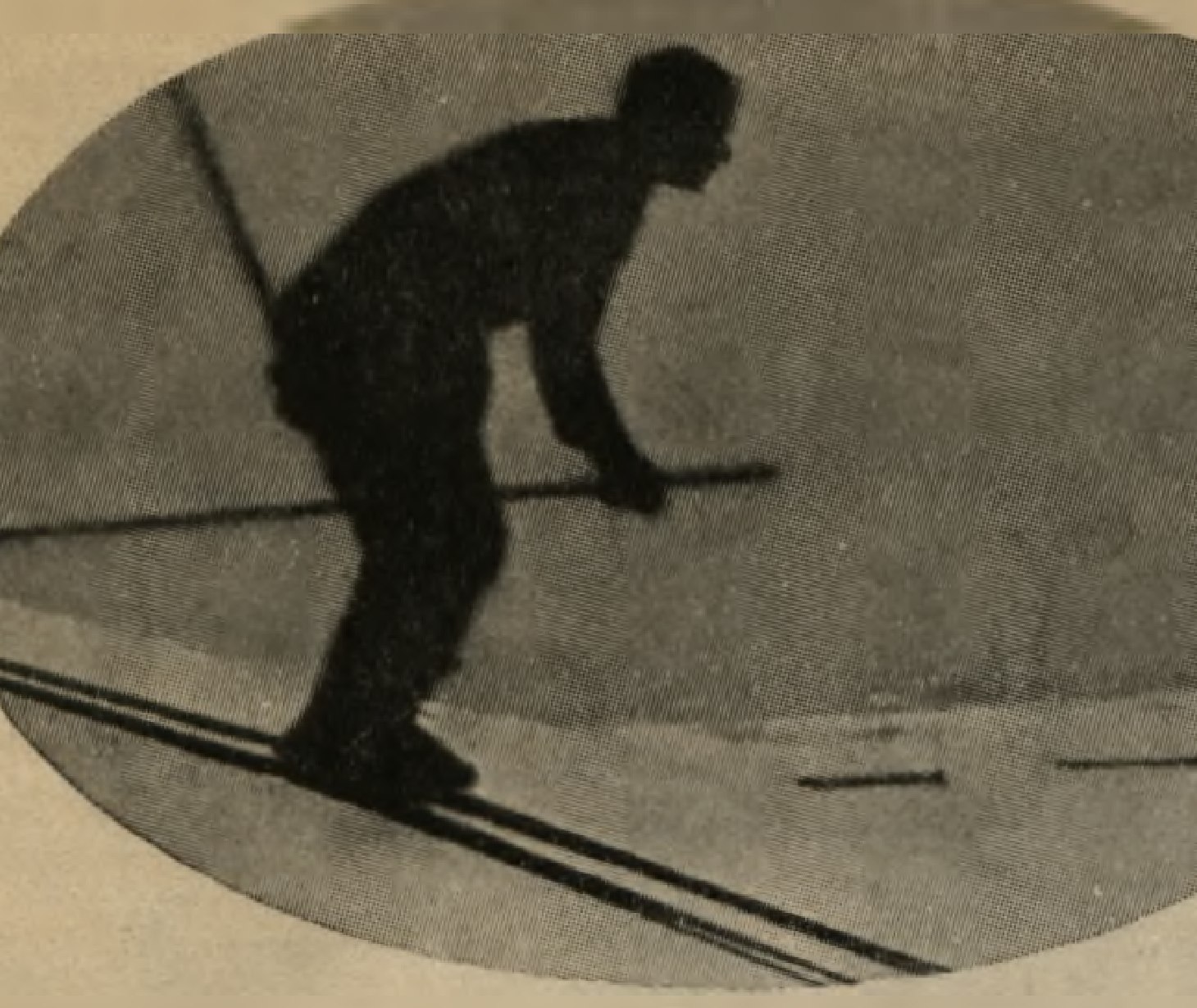
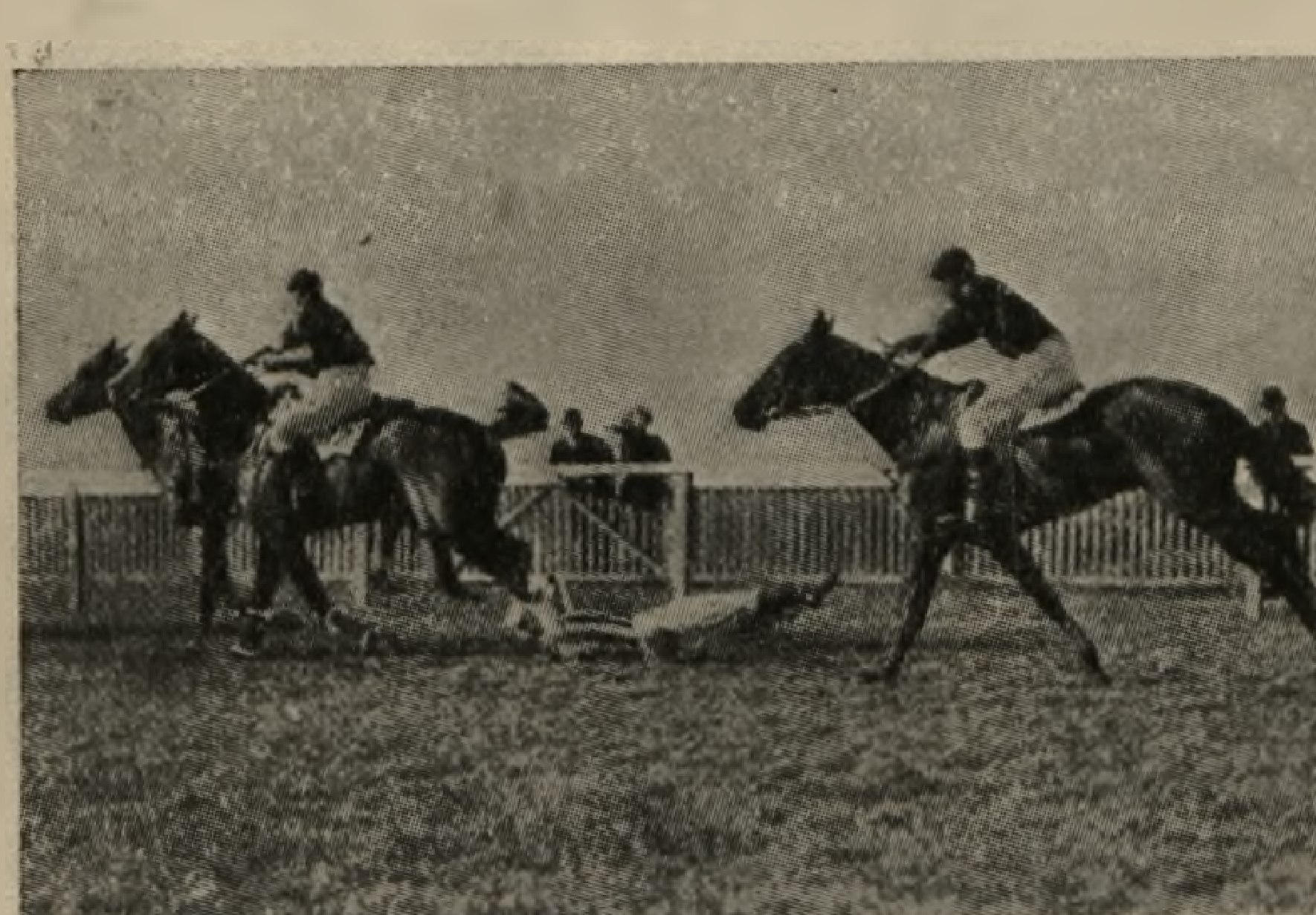
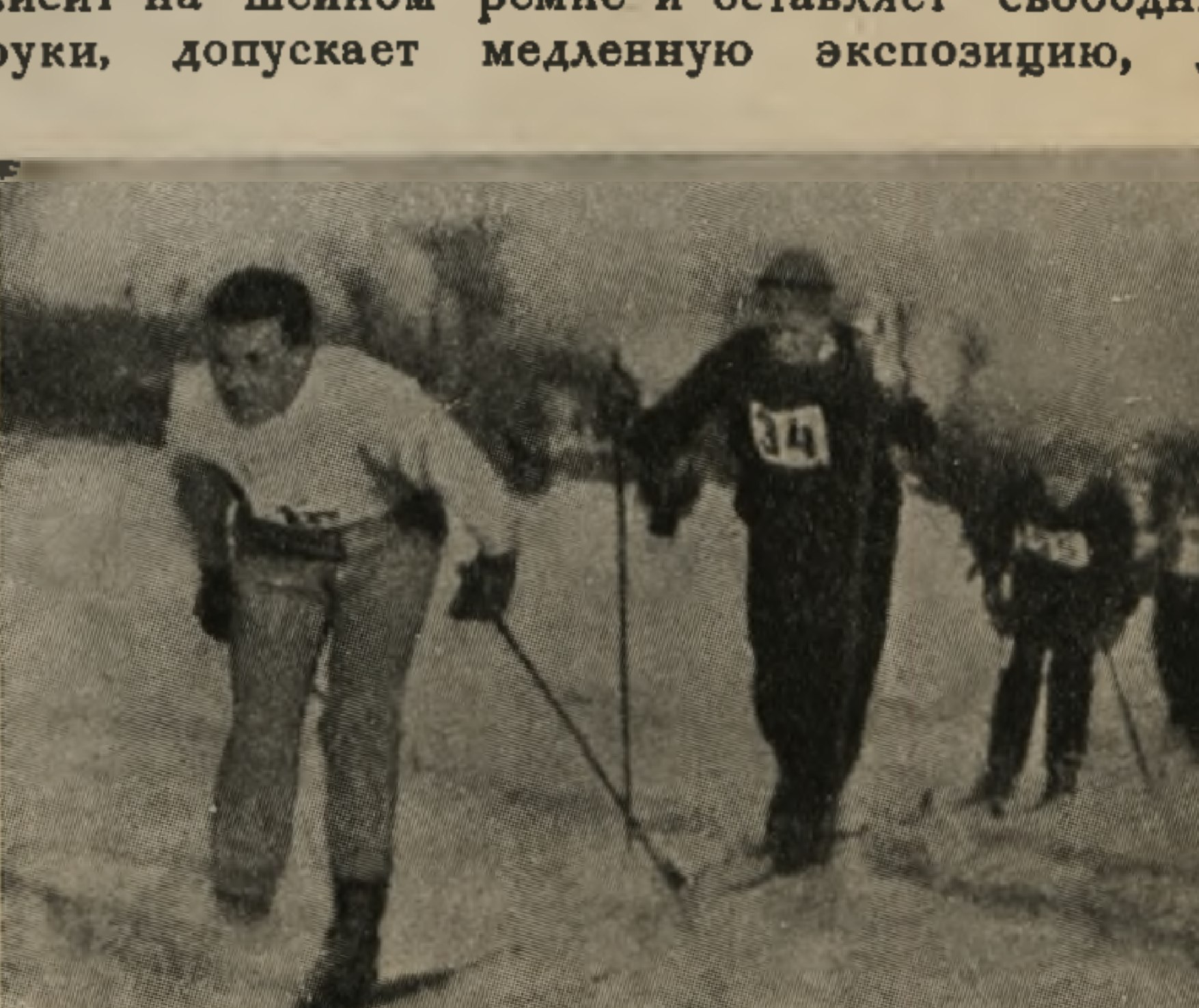
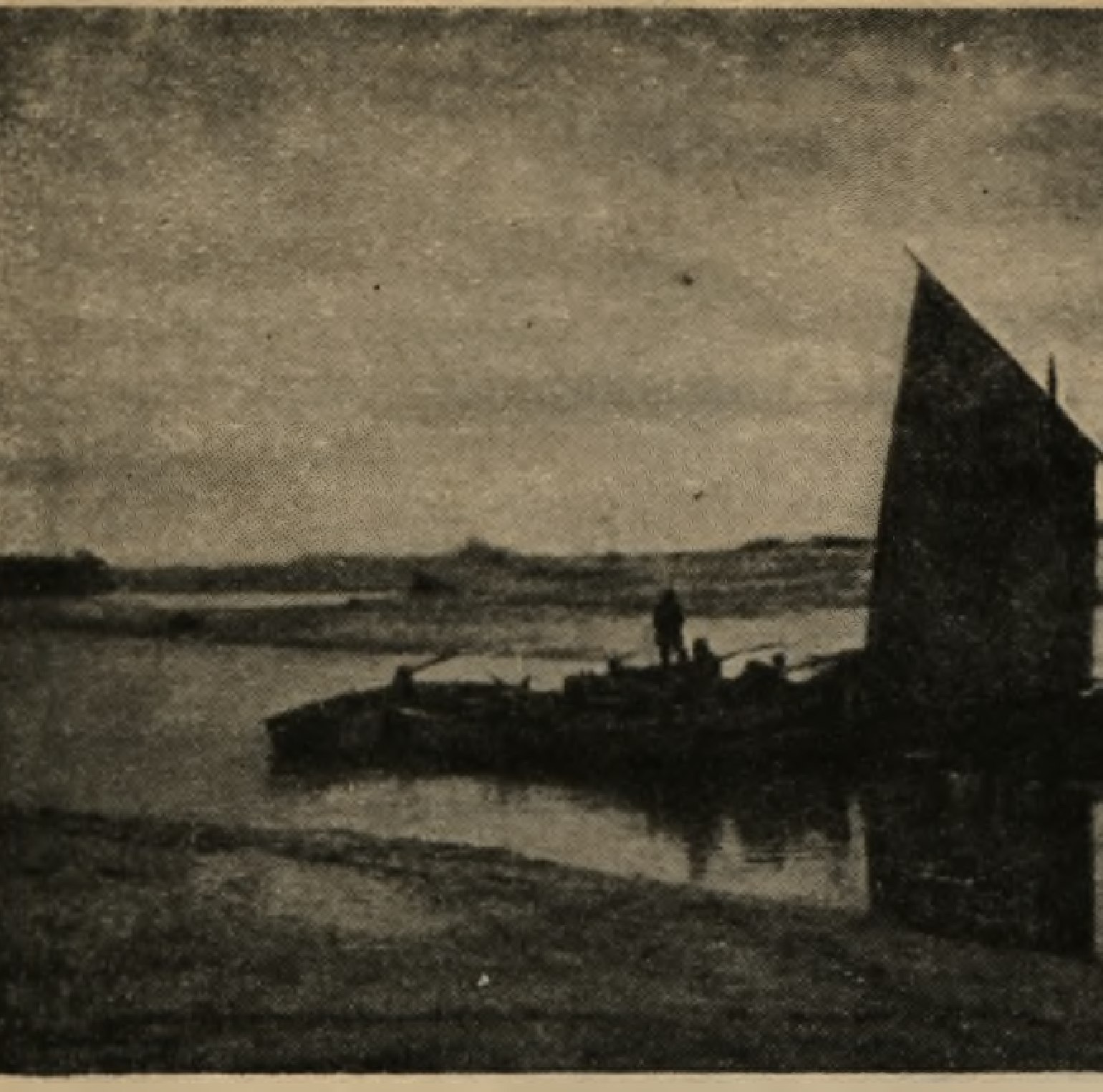
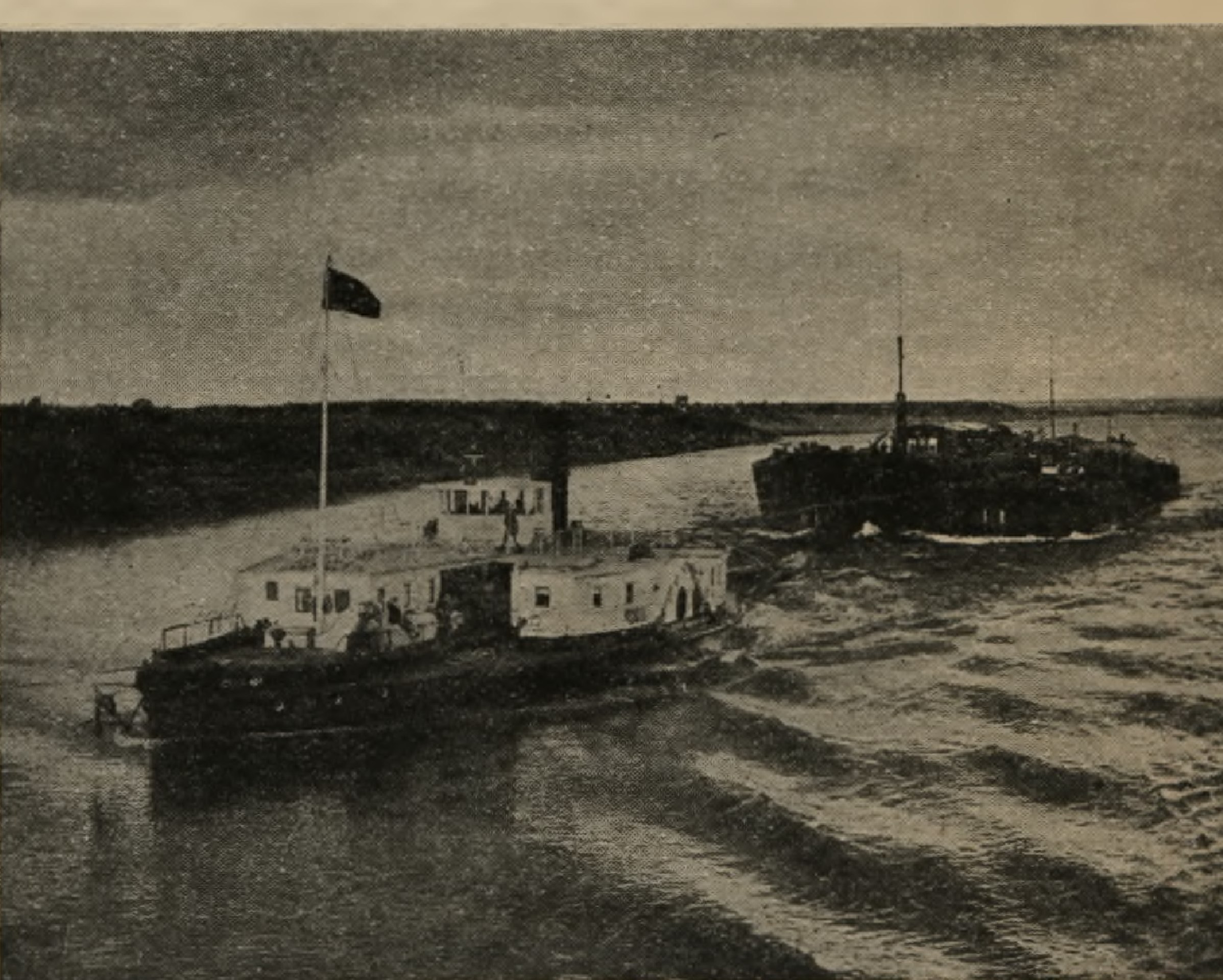
What oblique projection can do is shown by the experienced work of the photo-reporter Alpert, done to the author’s indications — though there the oblique projection was applied in the enlarging lantern, both prints coming from one negative. Slow movement asks little: “With the Current” shows that a very small angle (near profile) suffices, needing only a slight tilt of the river’s line, with little space to characterize and no great contrasts. Accelerated movement (“On the Tow”) wanted a sharper angle, a higher horizon and stronger contrasts. And very fast movement (“Descent of a Skier”) wanted the form conveyed as silhouette with the horizon line stressed. In “Documentary Shot” a catastrophic instant is caught — a jockey falling from his horse — but the shot is accidental, in profile, unconnected with any accessory, and quite unconvincing. In “Skiers” a rhythmic row of figures, with an optical and light stroke on the front one, a gradual loss of sharpness, and a row of trees behind giving a repeated rhythm.
There are no immutable laws of composition, just as there are no rules or recipes for artistic photography — felt most sharply in the composition of movement. One cannot rest on stencils: a conscious destruction of all tradition is needed, and a search for new paths. Here more than anywhere one needs originality, resourcefulness and cold blood — knowledge of the movement to be fixed, a psychological entering into it (experiencing the movement), thought about its direction, a presumed scheme of the coming movement and shot, the choice of the viewpoint from which the movement will look synthetic and the forms fall into the best scheme, and account taken of the surroundings’ effect on the movement and of the light moment.
Technique
Conveying movement, especially fast movement, needs as much tension of technique as of composition. The optics should be as fast as possible, though in summer a Dagor (F/6.8) serves; the inexperienced do better with a fast aplanat, which gives rounder images, more depth, and a gentler passage into the out-of-focus field than an anastigmat. In sport long-focus optics is easier to use but demands exact focusing, hence suits reflex cameras; one lens is hard to manage, and a set needs quick changing. At strong light effects, and shooting against the sun, lens-hoods are needed to kill stray rays — not blackened metal but plain cardboard lined inside with black velvet; the same reasons call for careful blackening, even velvet-lining, of the camera’s interior. The best shutter is the blind (focal-plane), giving precise regulation and high speeds; a narrow slit and weak spring shift the outlines in the direction of movement. But blind shutters are capricious, often spoil, alter with temperature and freeze in frost — so it is no bad thing to have two: a blind shutter in the camera and a central one at the lens.
Reflex or klapp-camera?
A dispute only now resolvable: last summer the firm Nettel put out a camera convertible at will into a reflex or a klapp. The reflex hangs on a neck-strap and leaves the hands free, allows slow exposure, and gives the most precise focusing and reckoning of all the elements in the frame — but it sees below eye level (the “frog’s perspective”), and, buried in the mirror, the photographer tears away from reality and may miss much. The klapp shoots from eye height, the worker seeing at once the framed picture through the finder and the surroundings beside it.
Against the common opinion that some blur of the moving object heightens the sense of movement, we hold that one must strive for the sharpest, clearest rendering of it, working at the very limits set by light, lens speed and plate sensitivity — a sharp image can be smeared any way one likes in the positive process, but no print can be got from a blurred negative without heavy retouching. One should study the tables of movement-speed and seasonal light — the exposure tables (see the 1926 articles and the elementary guides, pp. 88–89 of this number) — but better still to train oneself from the start to judge the distance and, by the brightness on the ground glass, the exposure. The guides may not mention that one can shoot on orthochromatic plates by evening light without a filter, or that long-focus work at a distance profits by a weak aesculin filter — but practice is the great teacher.
For the underexposures inevitable in movement work, develop with accelerators — physical (raise the bath to 23–25°, pre-soak the plate) or chemical (caustic potash by drops); very valuable is a pre-soak in a very old amidol solution followed by a metol-pyrogallol developer, and with many plates a cast-lead standing tank keeps the developer better. A weak negative may be intensified with sublimate or uranium; if that is not enough, print a diapositive by contact, intensify it, make a new negative and intensify that. Even negatives on which almost nothing shows after development give excellent results by enormous intensification with superposed bromo-silver — not pigment — layers.
— P. Grokhovsky
(Conclusion — “The Dynamic Frame” — in the next number of the journal.)