
The conclusion of P. Grokhovsky’s essay (Parts 1–3 in Nos. 1–3): the craft that turns the analysed elements into a living “dynamic frame.”
The want of mastery in photo-reportage and the absence of dynamic frames — very memorable to us all, because so recent — bred a host of peculiar “artists” who went in for photomontage: cutting figures and settings out of a series of photographs, gluing them with cement in various combinations, and selling the products to undemanding publishers. This photo-vinaigrette is not outlived even yet; thrown off by the press, the montagists migrated into the clubs and the “Izo” and “Foto” circles. Photomontage is unconditionally a palliative, a passing transitional thing, a cork in the hole left by the impoverishment of craft. Now that the publishers have got over the childhood diseases of their printing-houses and the best of them pass to noble methods — offset and intaglio — there is a demand for more solid, more artistic illustration, a demand on the mastery of the photo-illustrator; and one must be able to answer it with one’s own technique and devices.
The basic elements of our compositions are already outlined; it remains to say by what devices of craft dynamics is born. Tarabukin says: “The dynamic — carrying an impulse, movement — is expressed in the extreme tension of all pictorial forms.” That “extreme tension” of the conception and of the elements gives birth to the dynamics of the frame. And the principle of “maximal impact” requires at the same time that, in making a dynamic illustrative frame, we ease its reading and its lodging in the viewer-reader’s memory. What is needed for that? The psychologist Fechner says that for a sensation to arise the stimulus must have a certain minimal force, or the “threshold” of consciousness is not crossed; and Weber showed that the threshold is the lower, the fewer the stimuli acting at once on the nervous system. So an illustration, to halt the attention, must carry elements that overcome a certain inertia of consciousness — and the overcoming is eased if few elements are included and the thing is clear and unconfused. That is why close plans are grasped more easily than small, many-detailed ones: before an exhaustively worked-out detailed image the viewer is left little satisfied, for no room is left for his own consciousness to work. We perceive deeply the works we can complete with our own imagination; works that leave room for the viewer’s co-creation have the greatest success, for each endows them with his own experience and they become his own. Often, before a great master’s work, it seems he has stolen our thoughts and said what sat deep in us, unspoken.
Economy in the treatment of the theme is thus needed. A single thought is put into the work; at its centre is the main object, and all the knots of composition must be tied to it — that is, in this semantic centre lie the greatest light-shadow tension and the greatest optical sharpness, and the viewpoint is fixed solely by this object’s position. How often one meets a portrait in which, for “reality’s” sake, the costume’s fabric is rendered extremely sharply and the starched collar lit brightest of all, while the lens axis passes half a metre above the head; or one where, chasing a “beautiful” introductory plan, the photographer piles up so many things that he kills the picture’s soul. To fix attention on the main object, the introductory moments must be cut to the fewest. Close plan, economy of treatment, subordination of the parts to the main, reduction of introductions — all this eases perception; but memorability is friends with struggle. We can, by one means or another, make the viewer spend energy assimilating the subject, and the more he spends, the firmer the memory. As was said in the essay on movement, symmetry and balanced systems are enemies of the dynamic frame: consciousness reads symmetry as static, built of repetition and mostly expressing the completeness of movement. By foreshortenings that set nature’s things in asymmetric schemes, or that give the form a drawing unusual to the eye — destroying the balance of light and shadow, ripping off half-tones, breaking the sharpness of planes and the deep proportion with shallow or short-focus optics — we can even rouse a certain irritation in the perceiver.
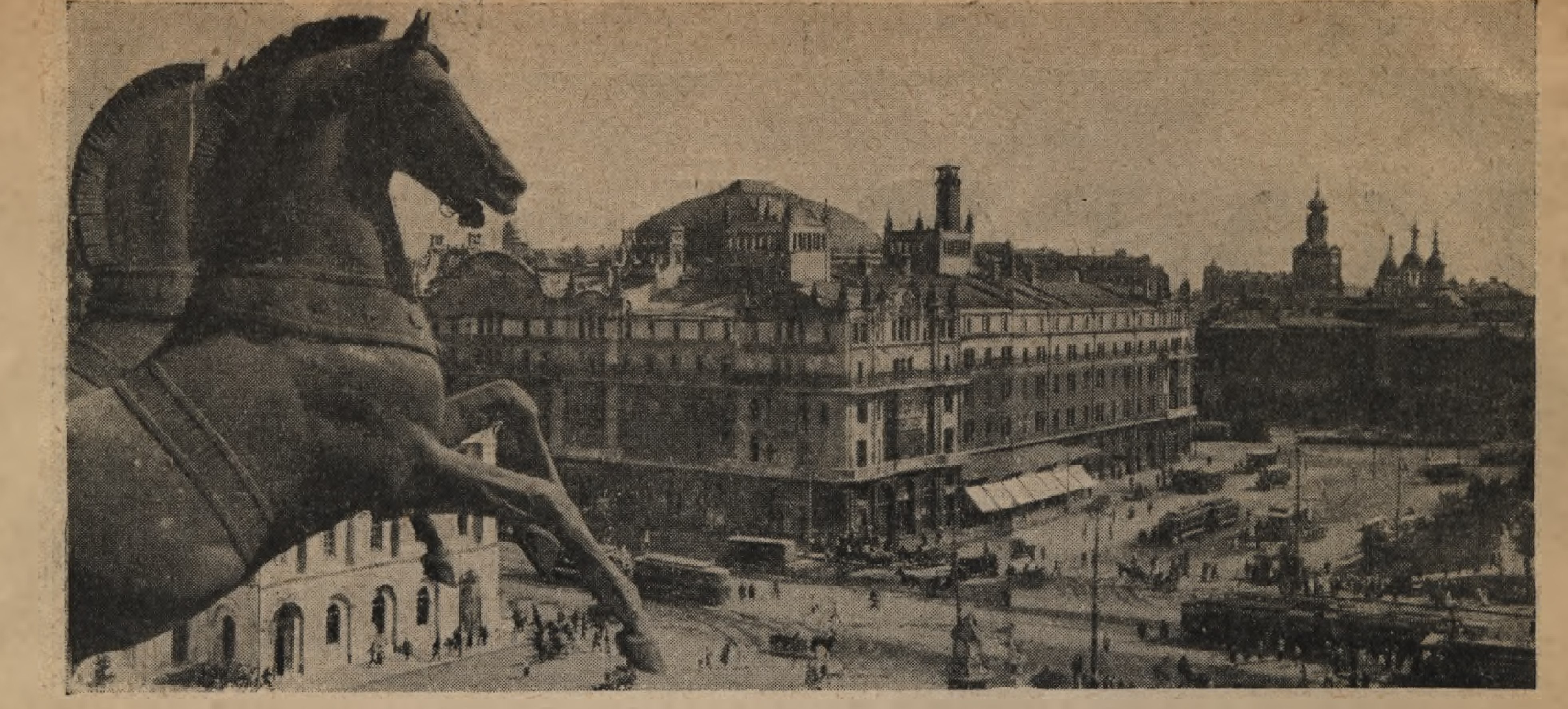
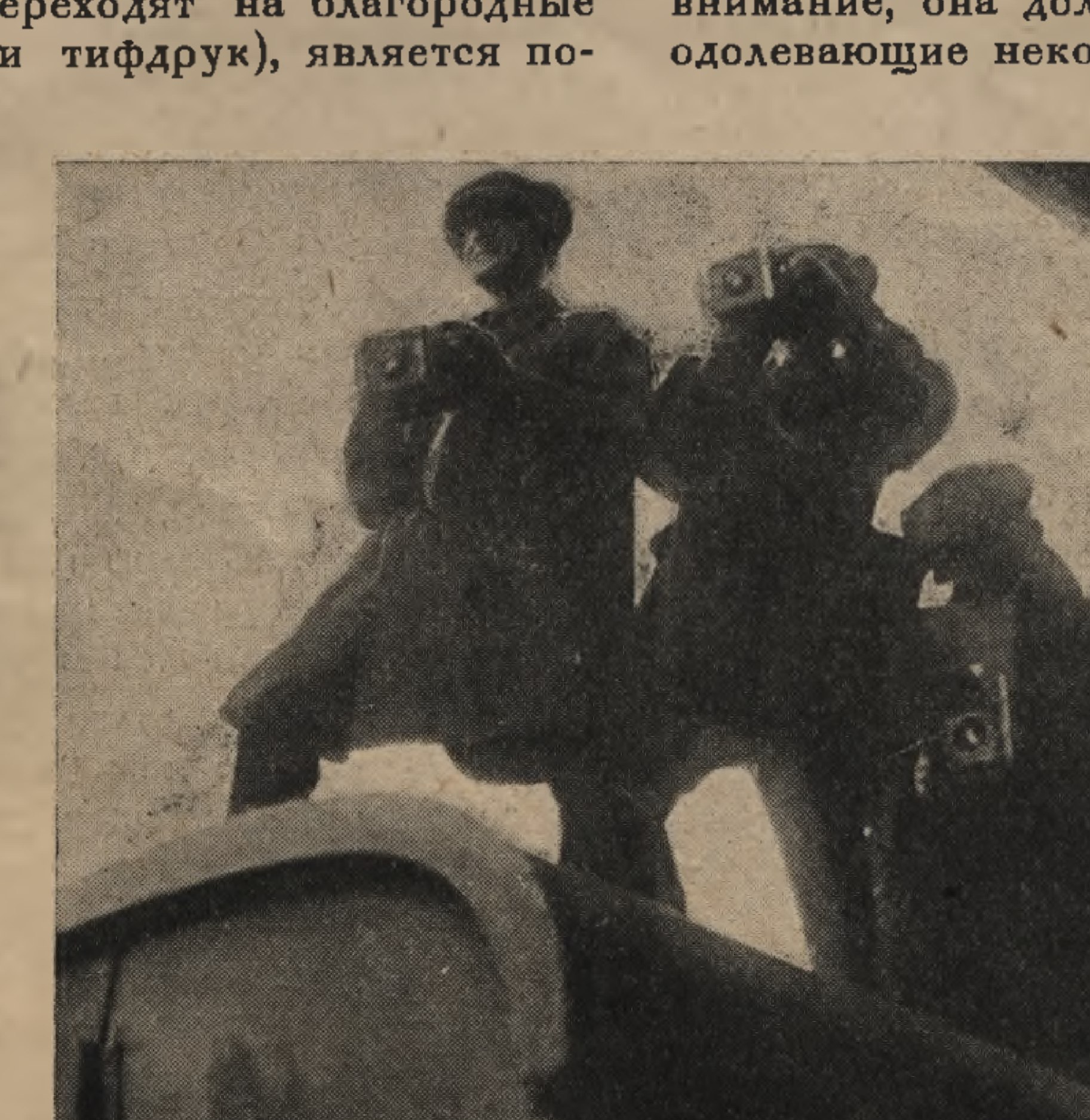
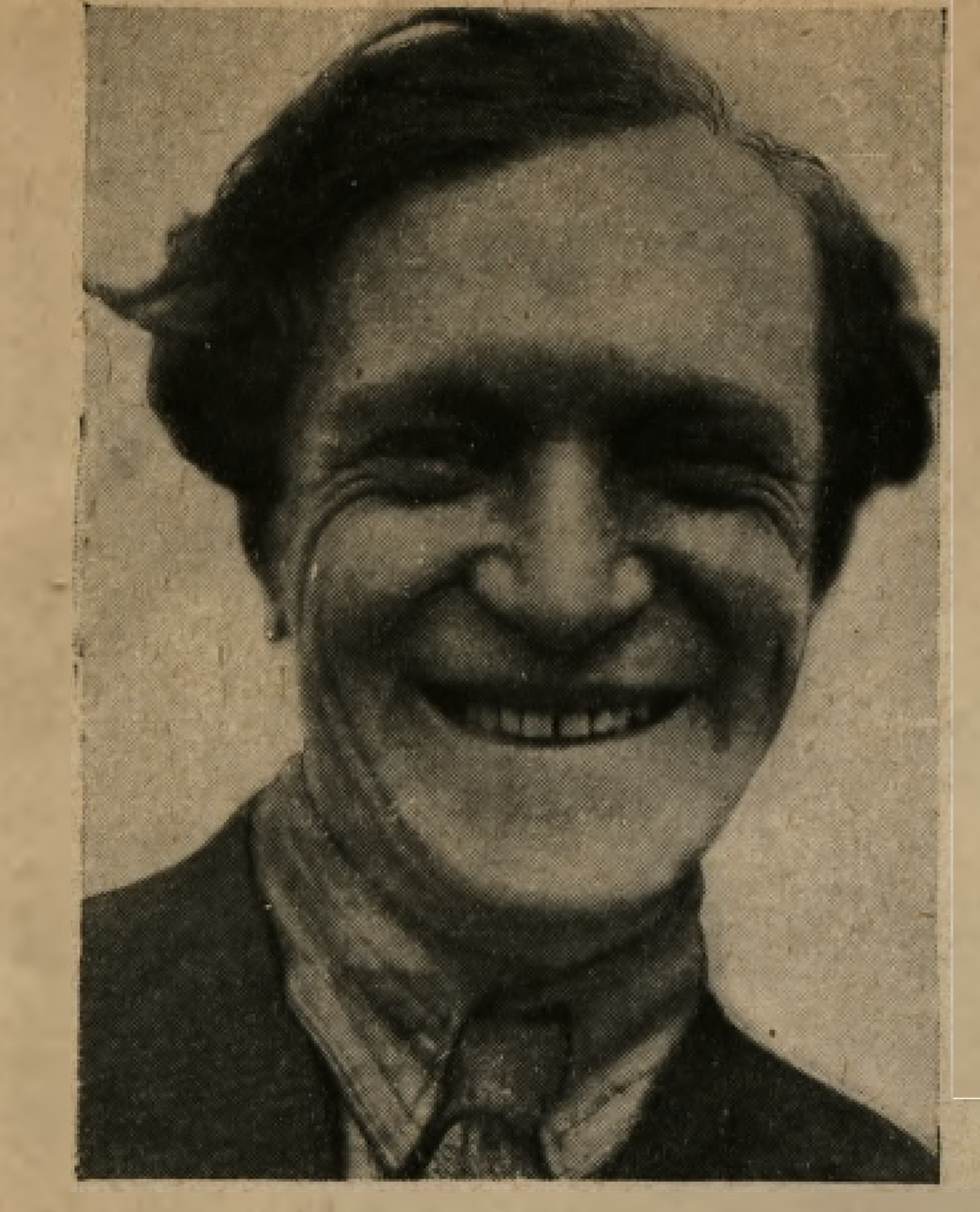
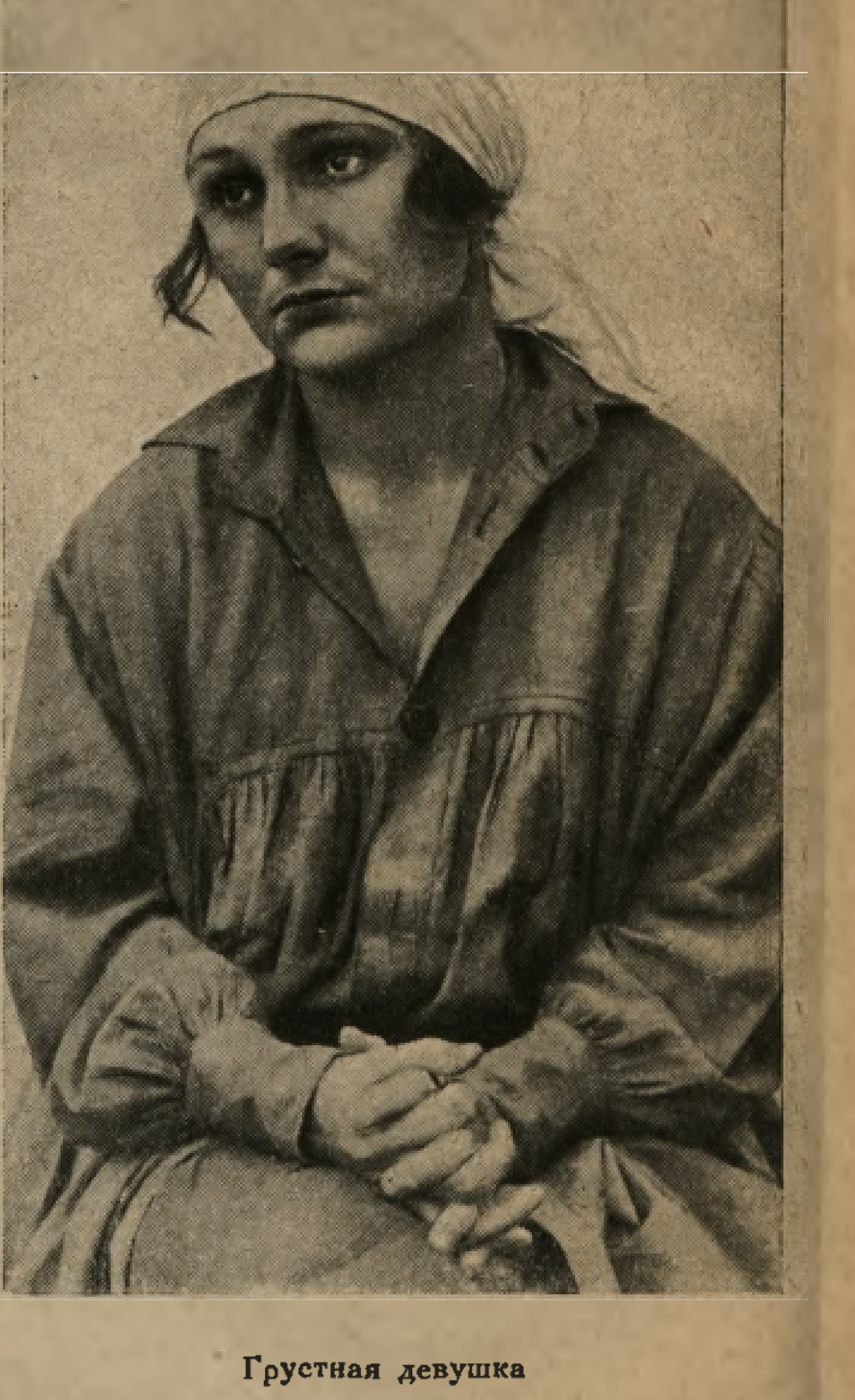
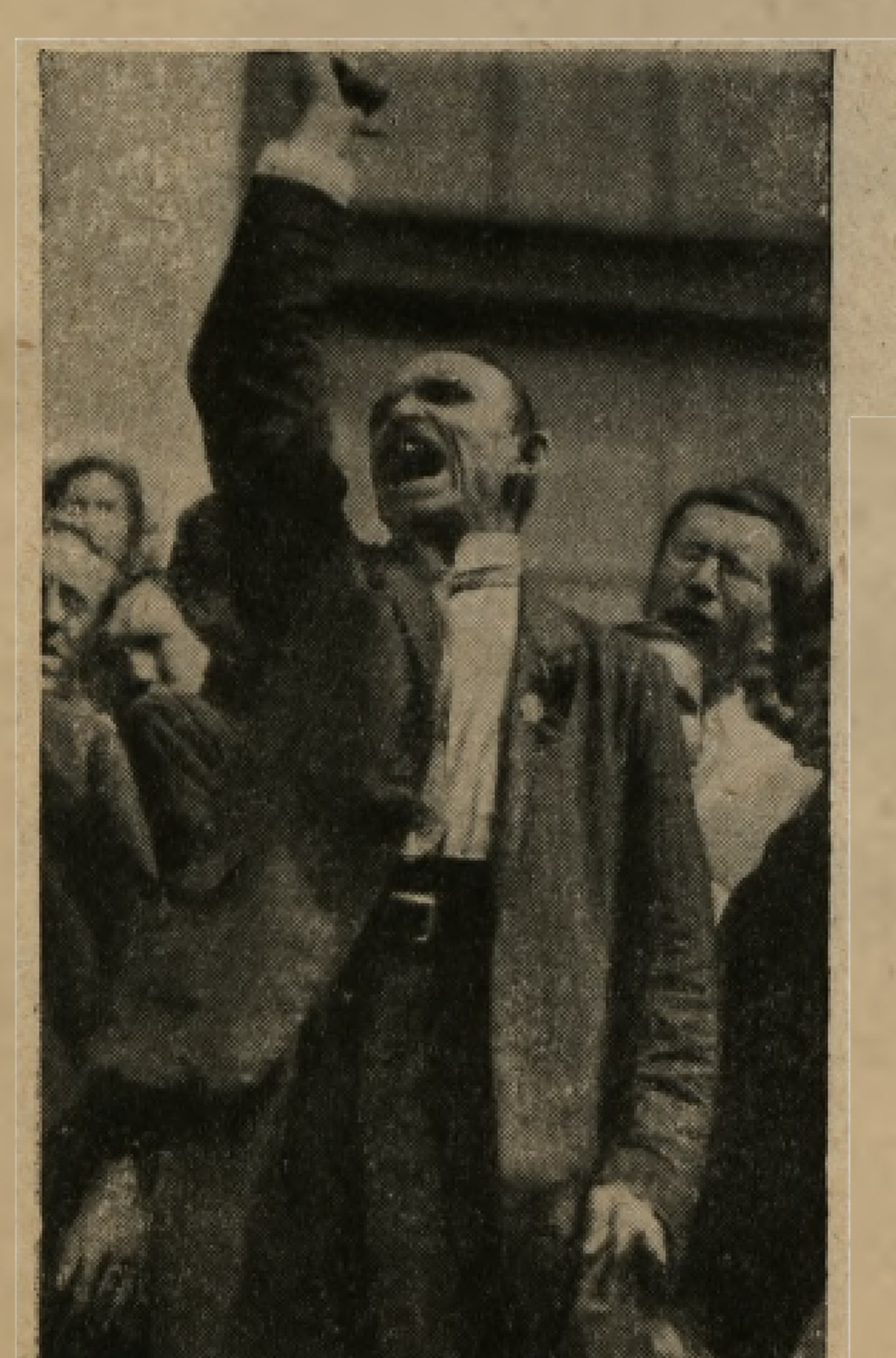
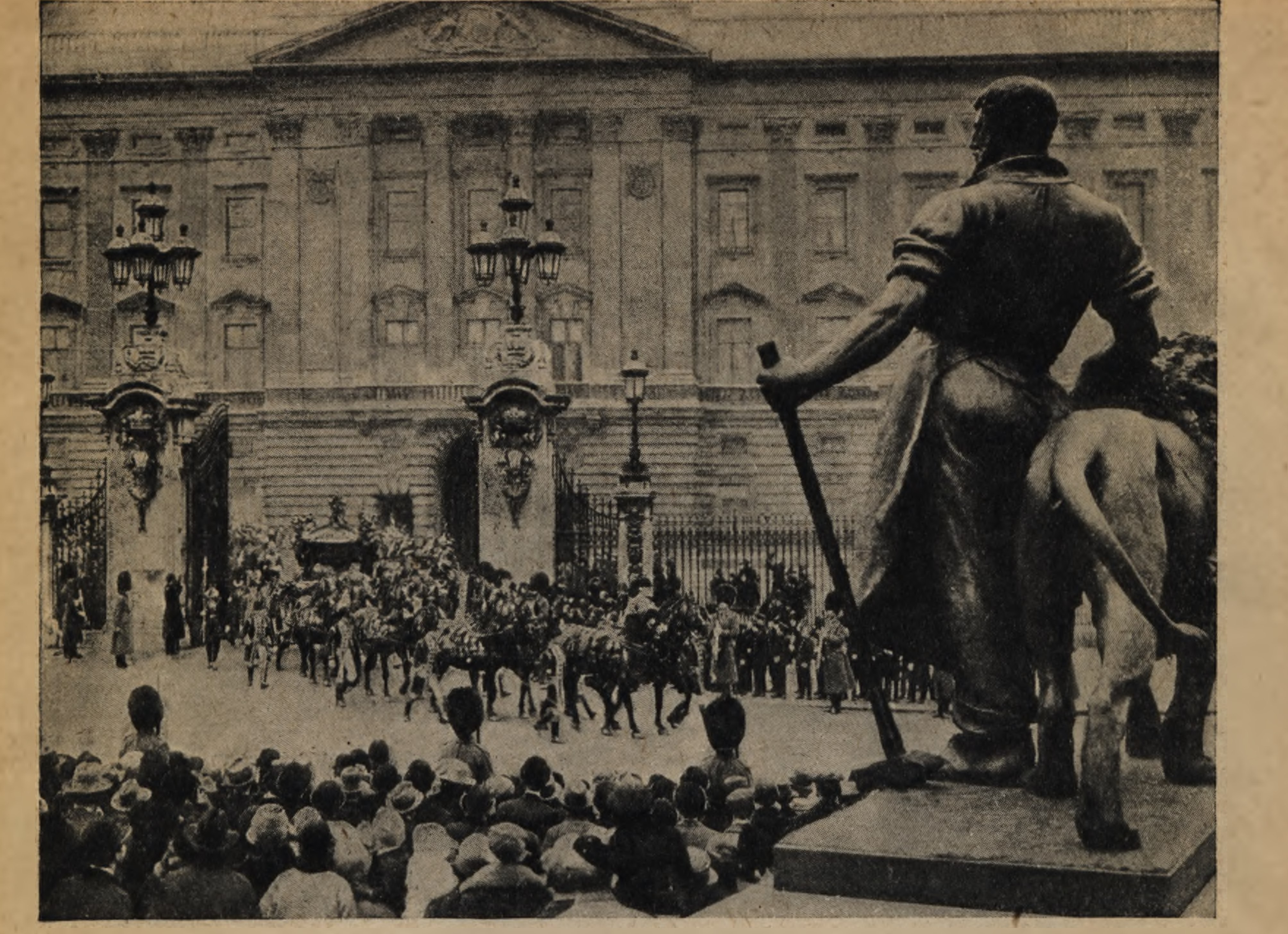
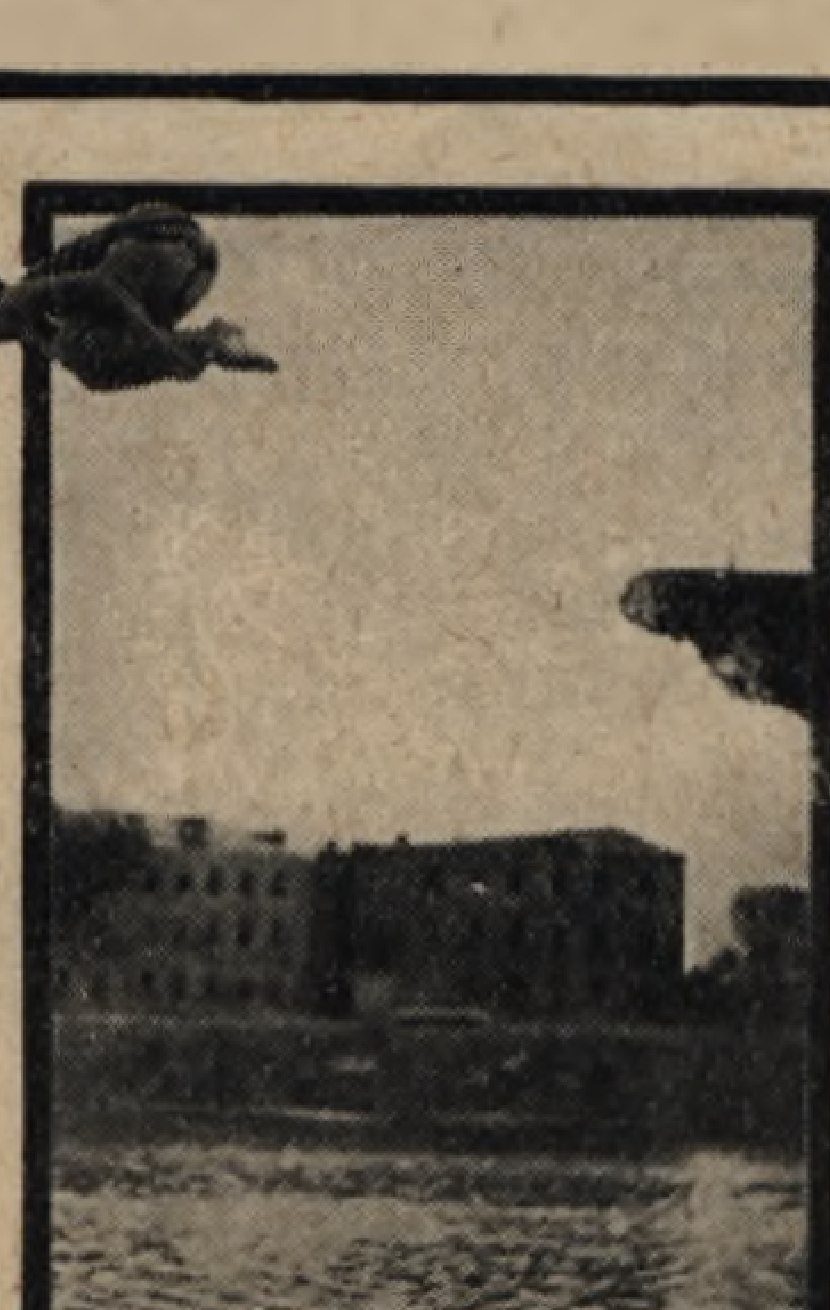
Photographic practice has fixed definite frame formats, nearly all easily assimilated; lengthening the format or breaking the rectangle can help too. By refusing to fill the whole space, leaving semantic voids, cutting the image at the frame and pushing parts of the forms beyond it, one can strain the attention strongly. A thoughtful creator will find method on method; the devices born of the principle of maximal impact cannot be exhausted. Dynamics in a portrait is a strained gaze, strained mimicry, a strained gesture — and if one such tension is caught, all the rest must stress the main thought: here is the portrait of the poet-humorist Kumach by the photographer Usov — to convey laughter, short-focus optics was used very close and the muscles of laughter exaggeratedly stressed; and in conveying sadness Alpert stressed, large and light, the clasped grieving hands. Alpert catches the speaking orator at his most strained and leaves the surrounding people soft — take sharp deep optics here and the orator would drown in the sharply rendered mass. Fridlyand, in his frame “At Work,” fixes the true moment when his comrades strain from a carriage roof to catch some arriving ambassador — a shot amazing in its sense of the moment. In rendering events and views there is often no other way to halt the viewer than the introductory plan: chronicle shots are willy-nilly many-detailed surveys, and in the setting one can almost always find a foreground that lifts the interest of a frame the eye does not take in at once. The two shots given here — one by an unknown author from an English journal, of some royal procession, the other the author’s own of Sverdlov Square in Moscow, where the lively movement had to be shown — demonstrate how the introductory plan is used to raise the dynamism and draw the viewer’s attention.
— P. Grokhovsky