
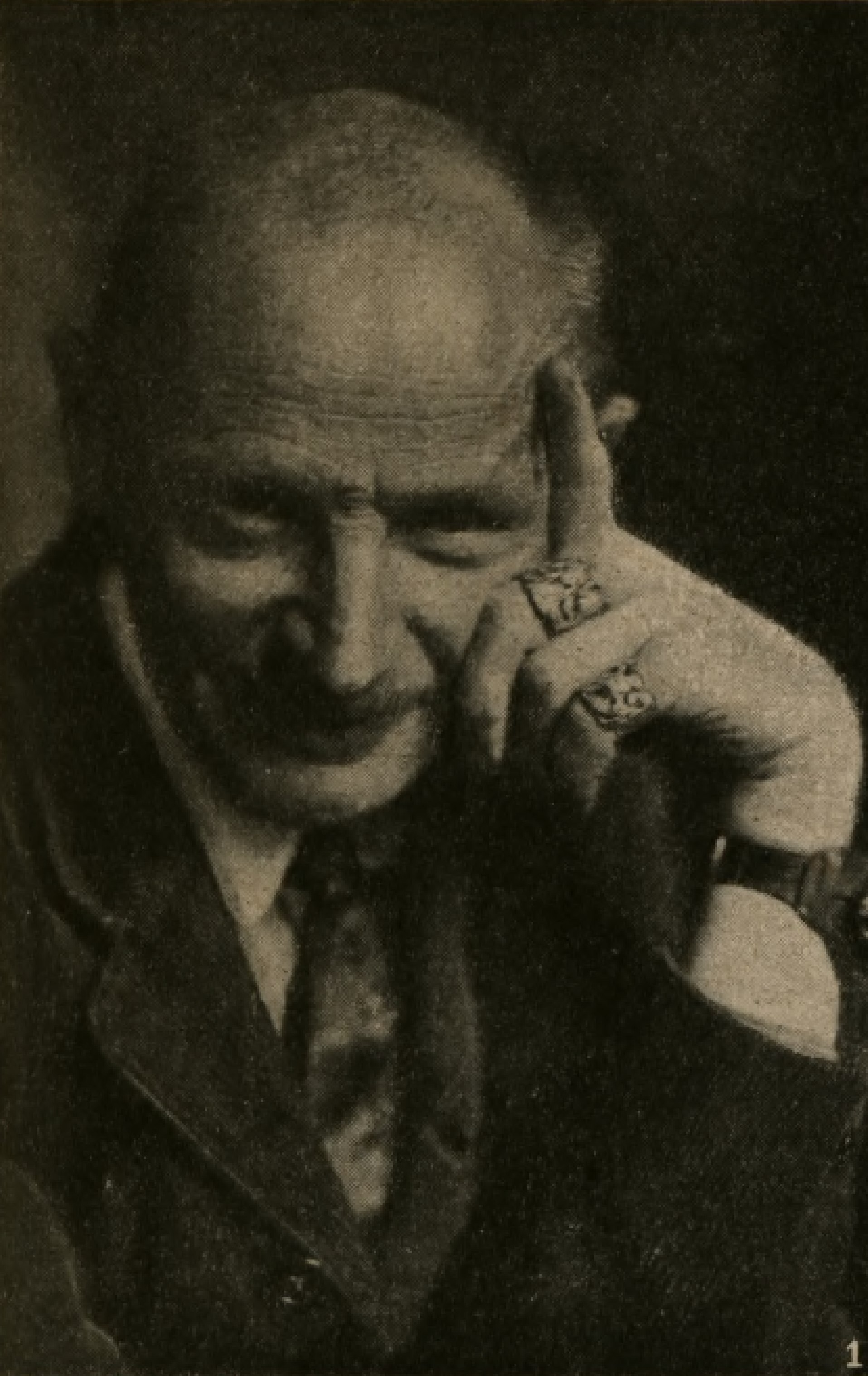
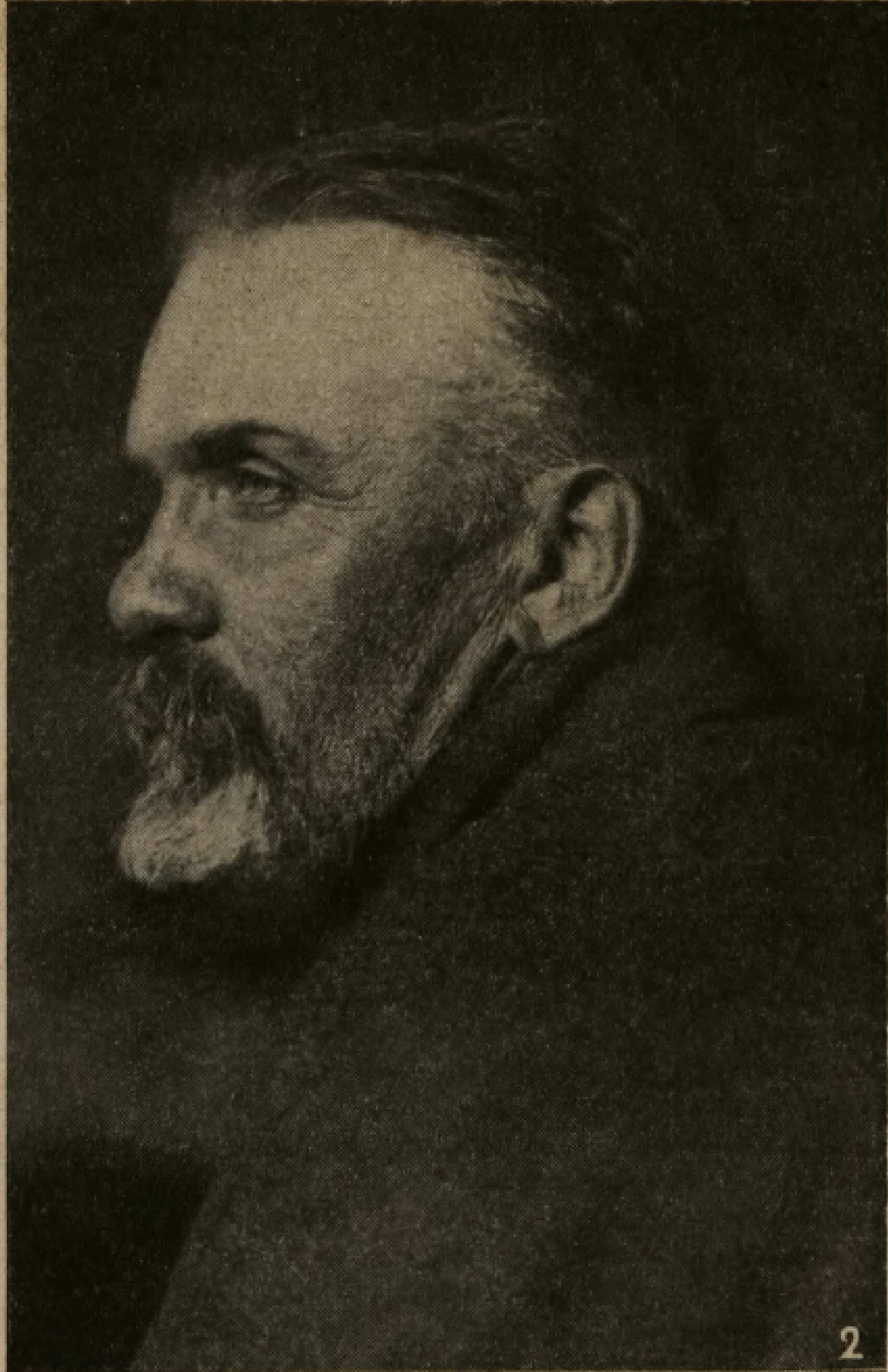
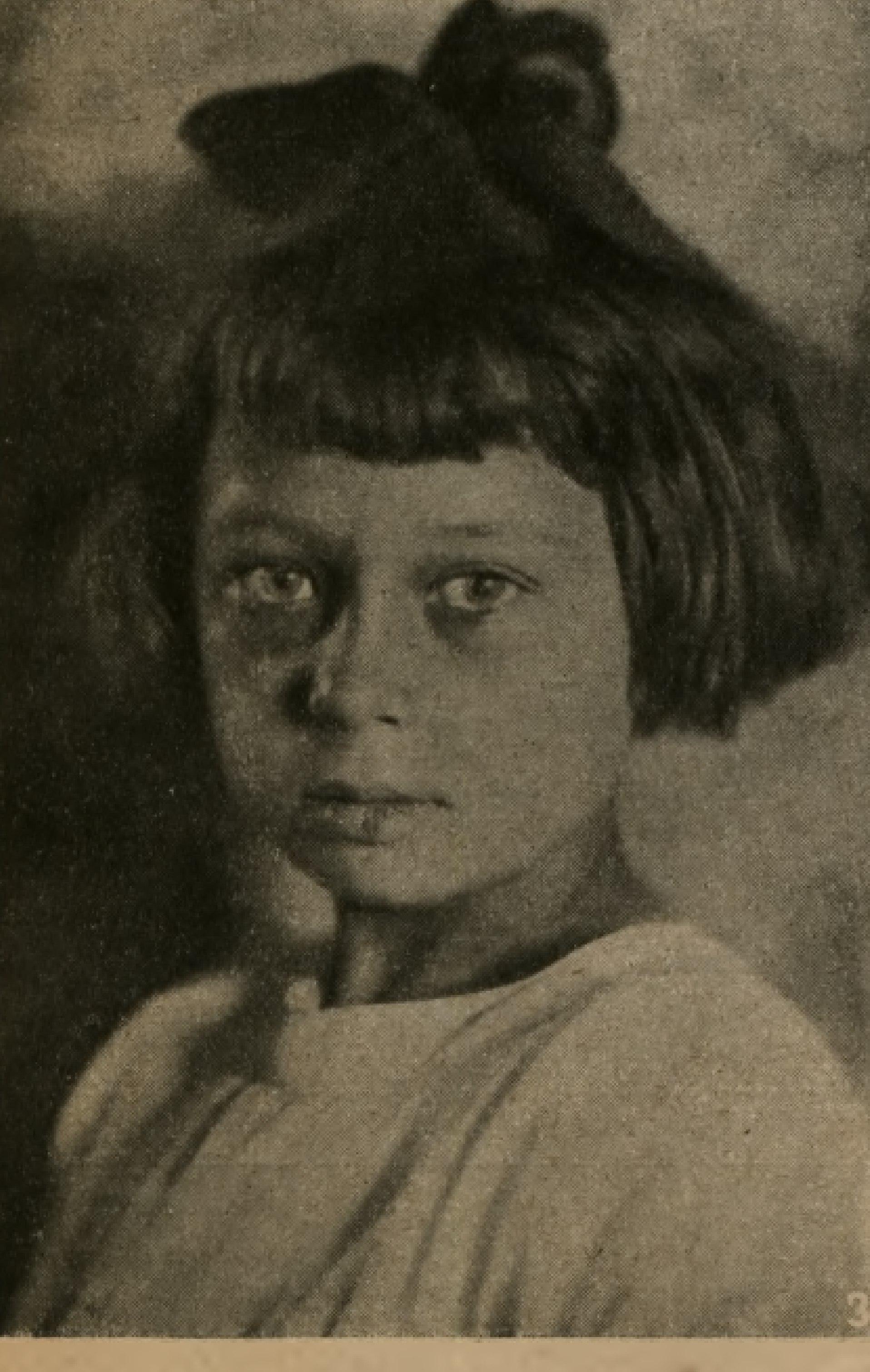
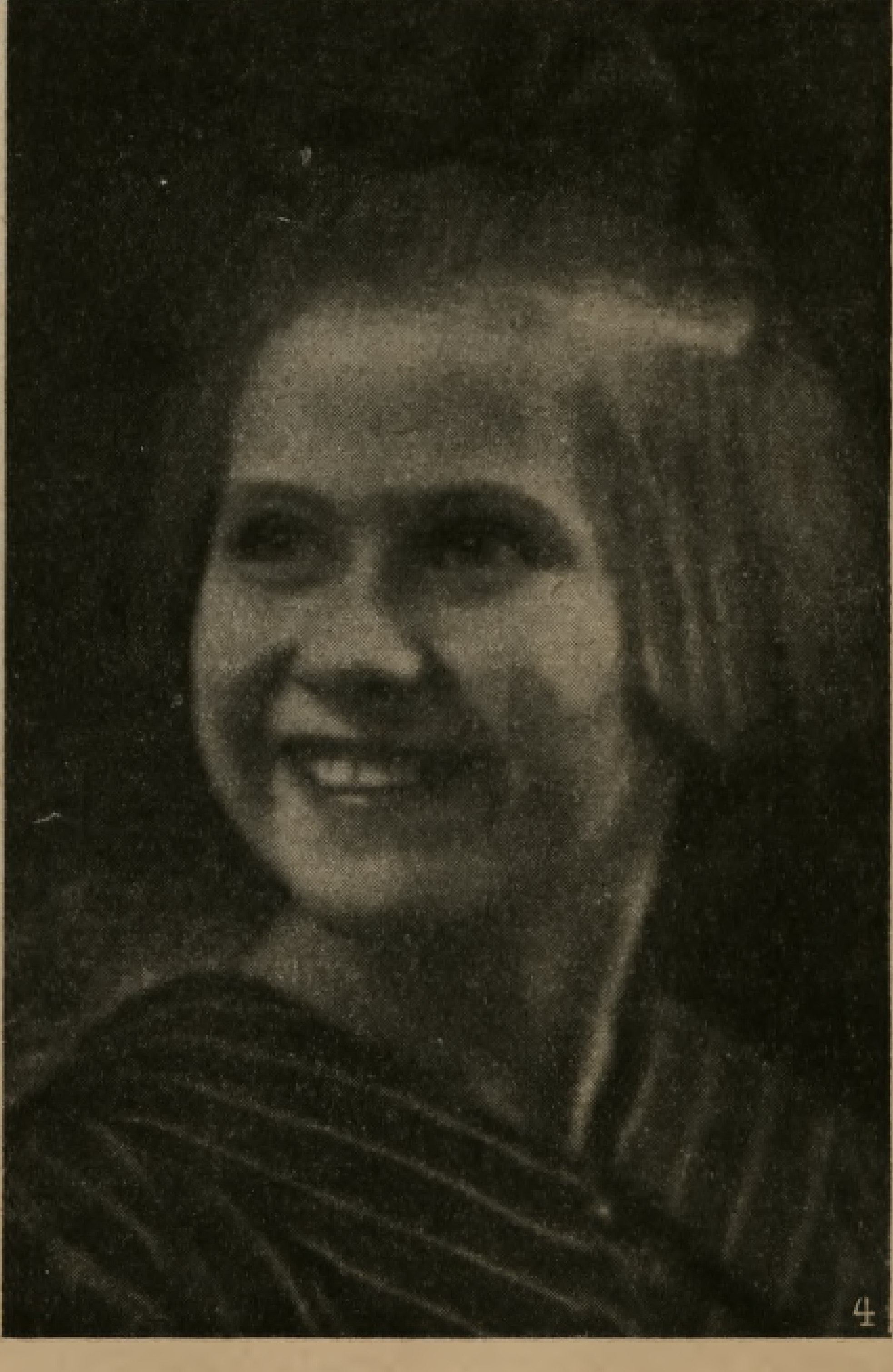
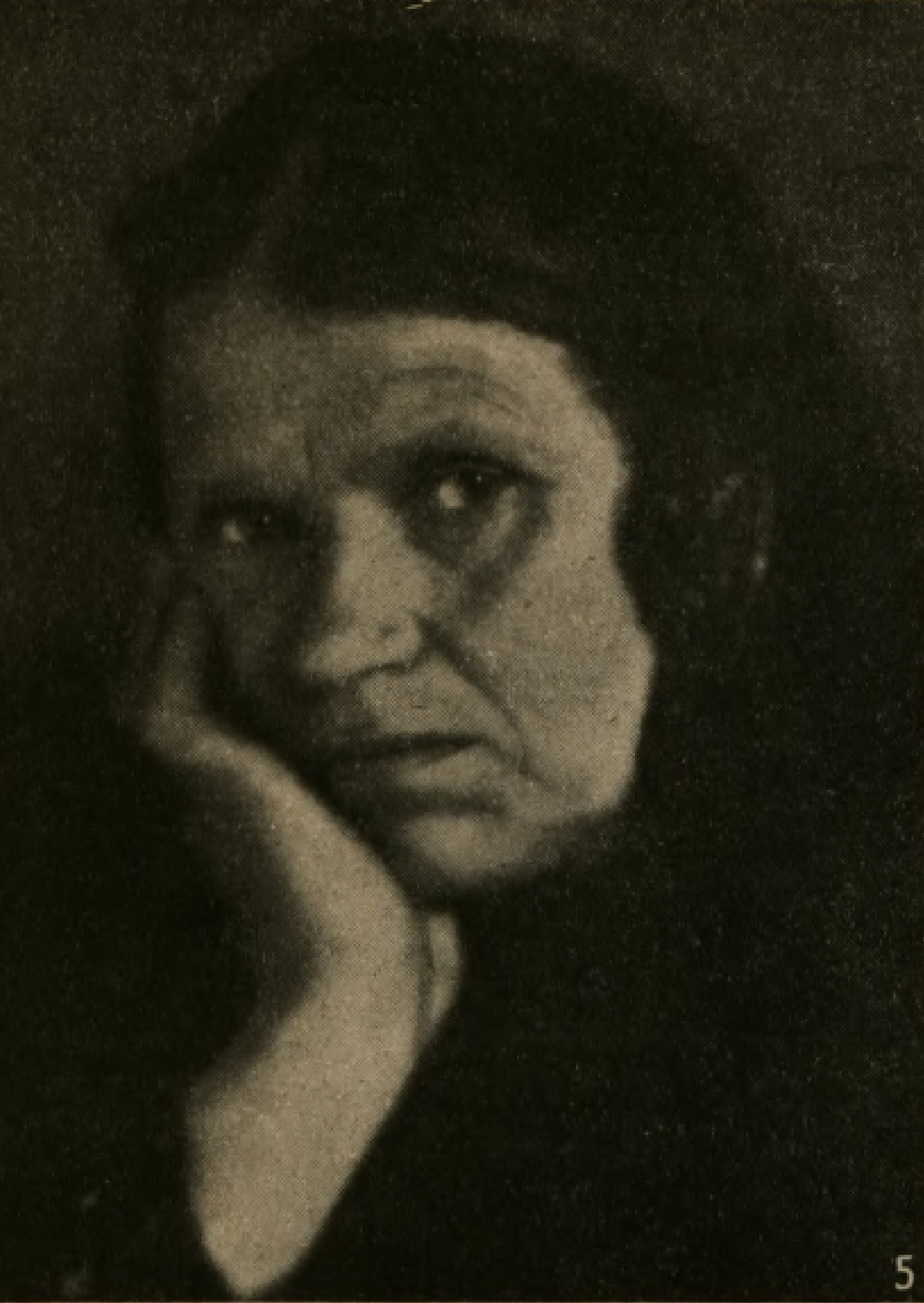
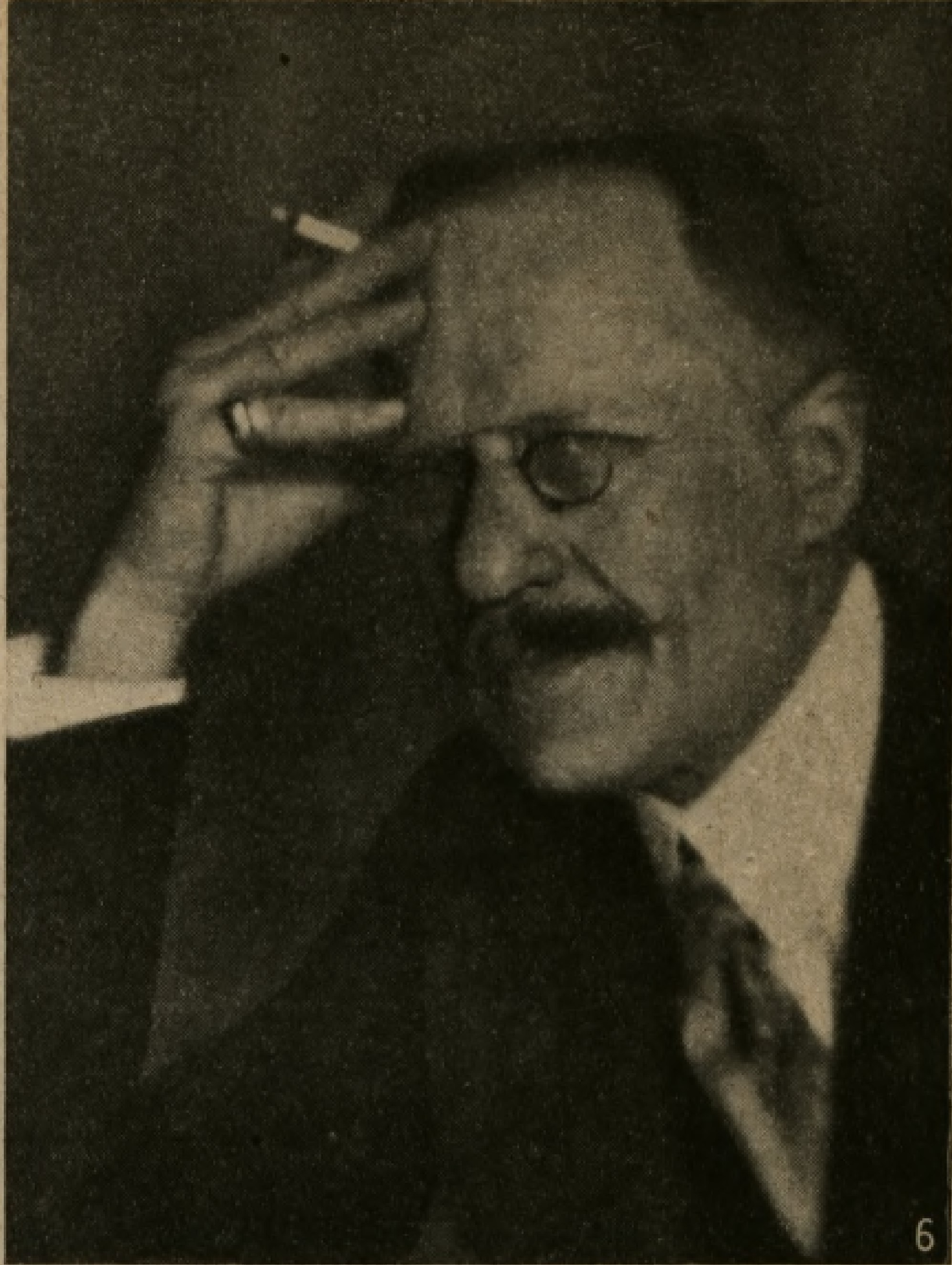
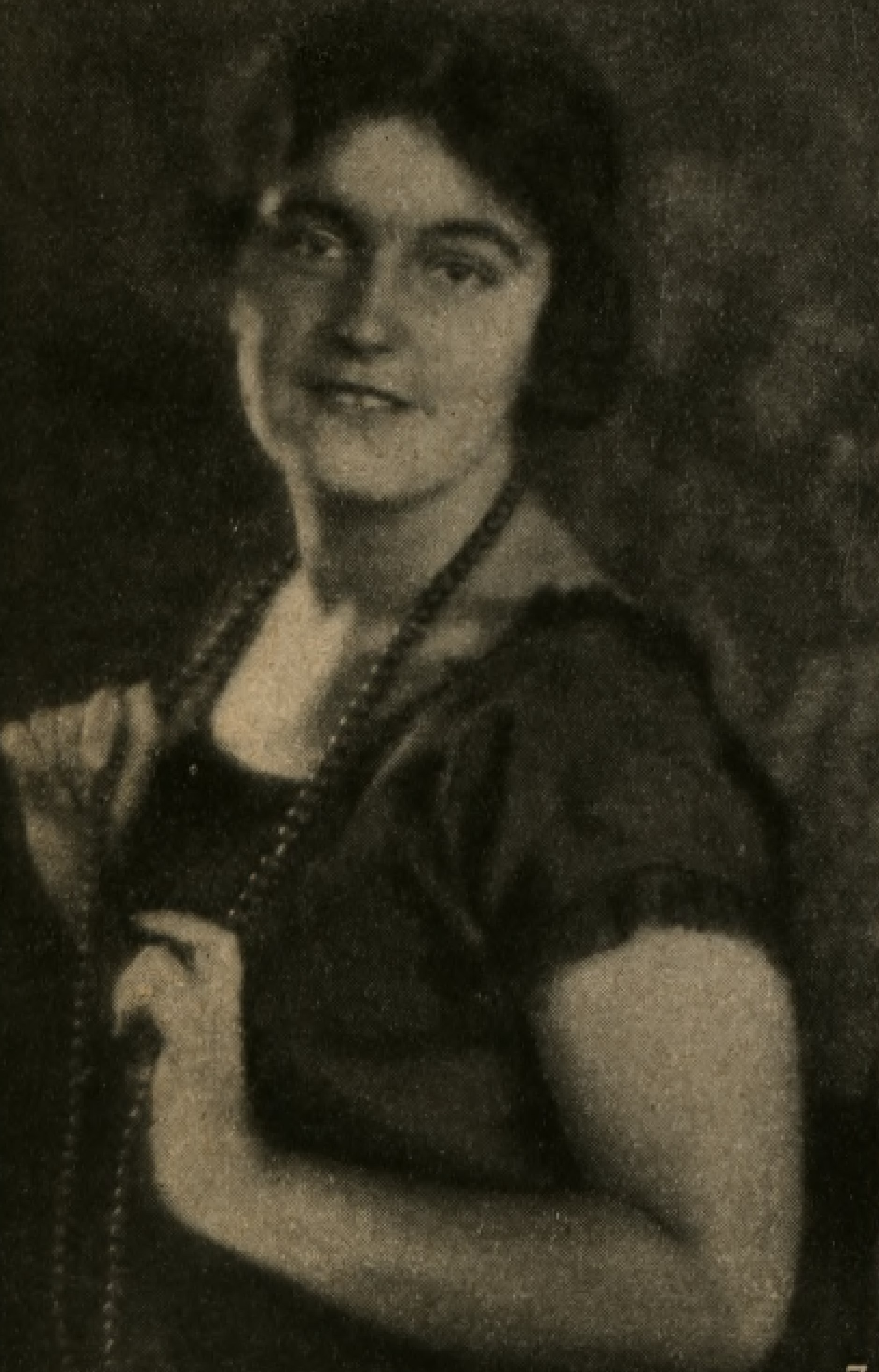
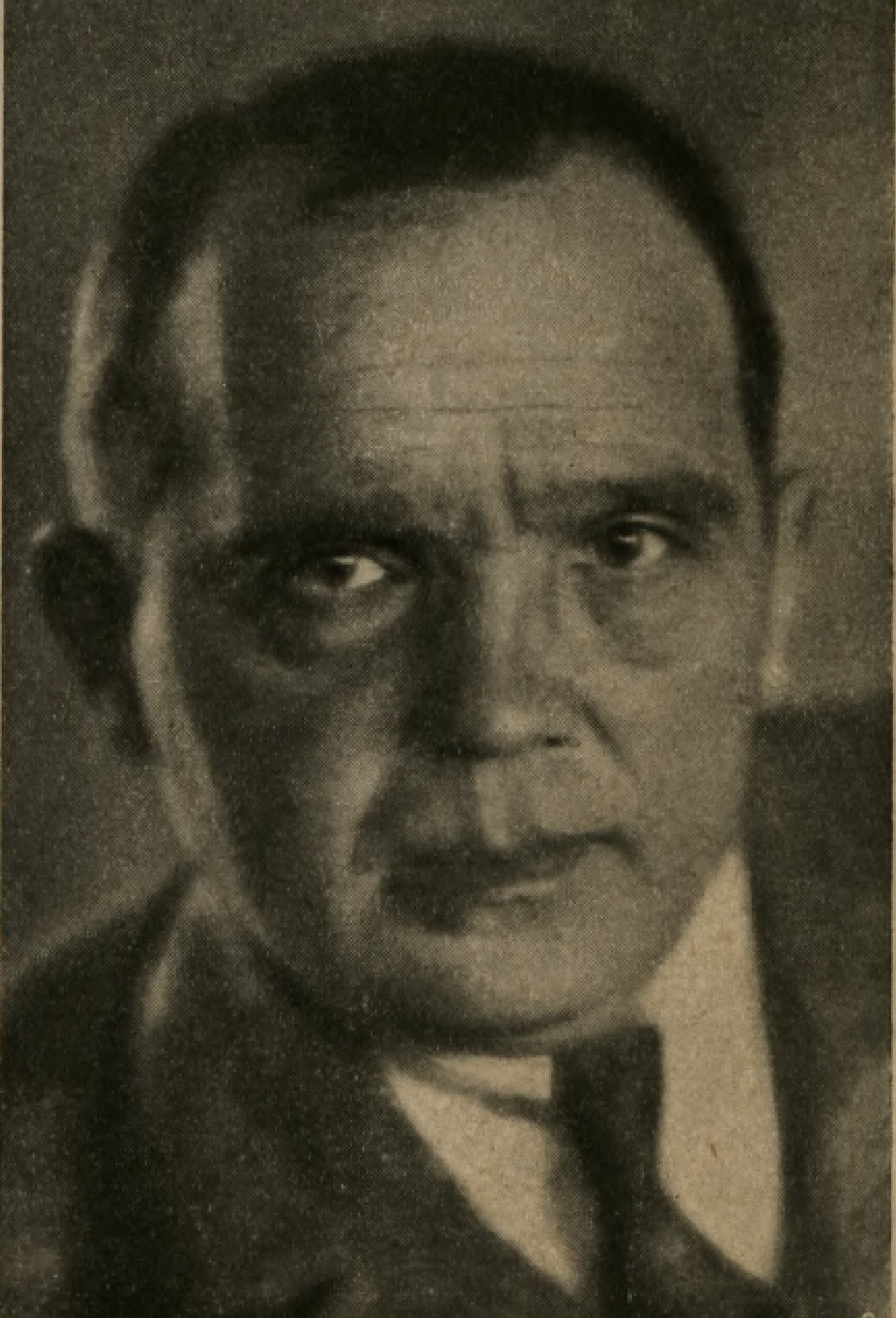
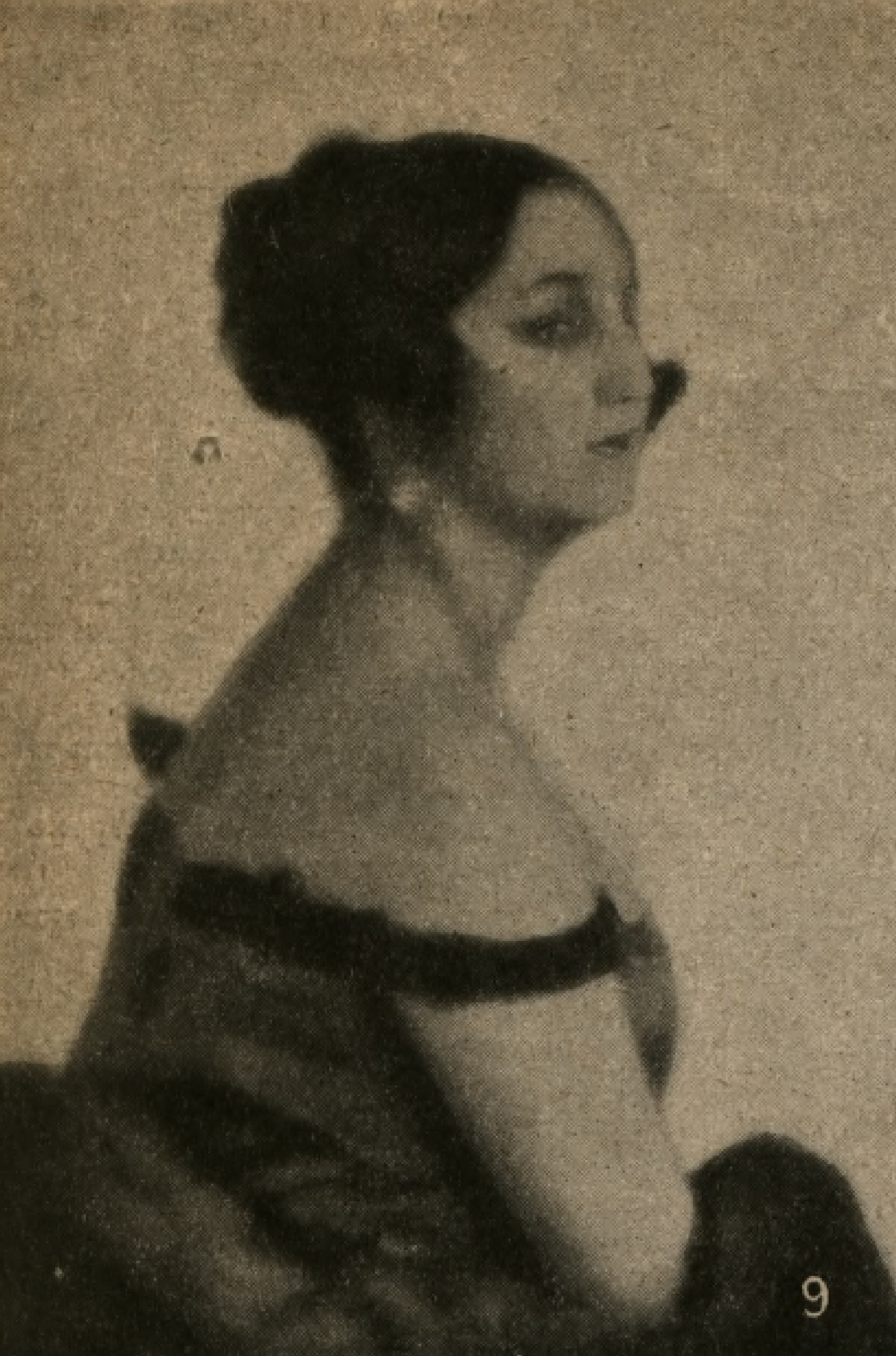
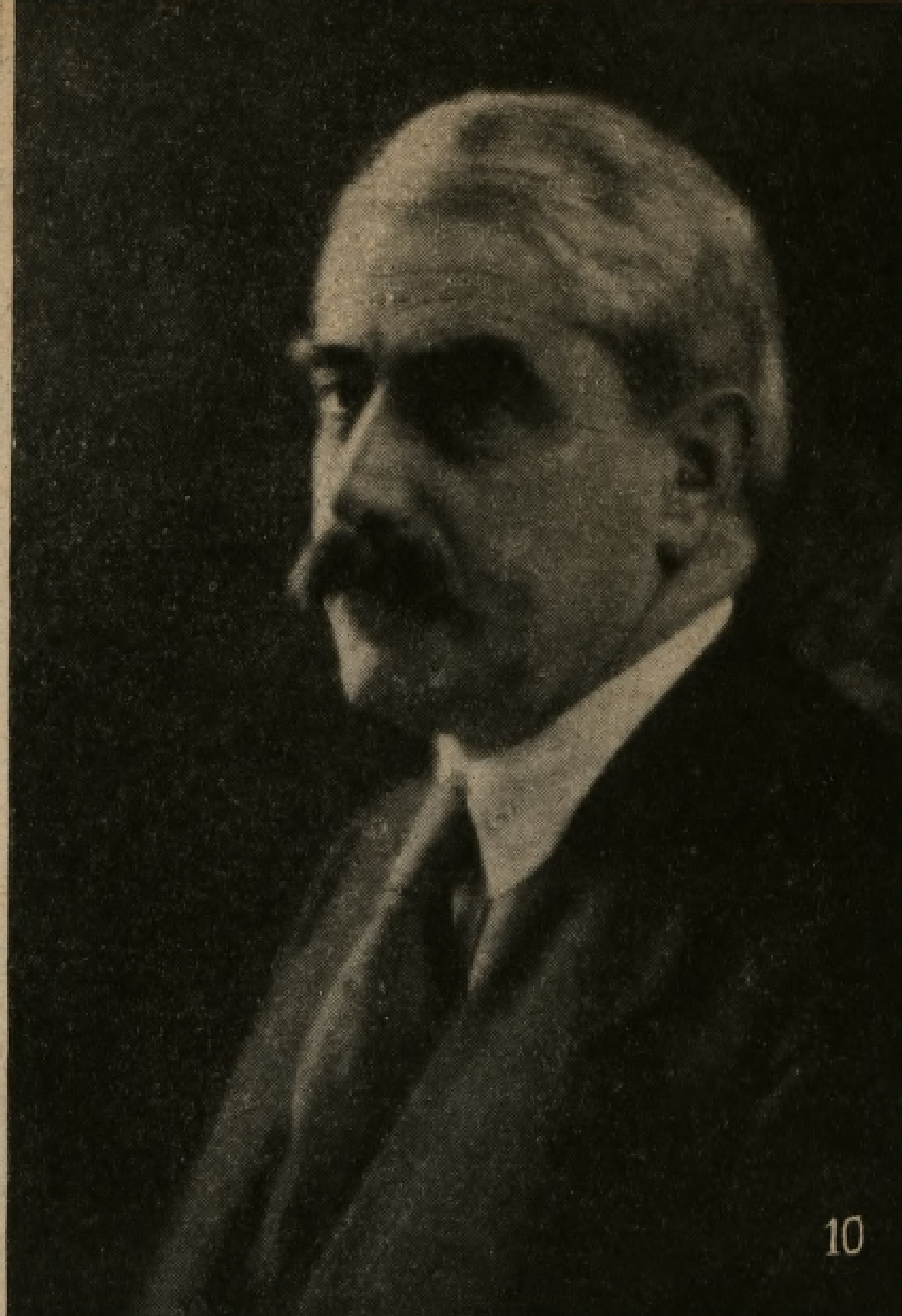
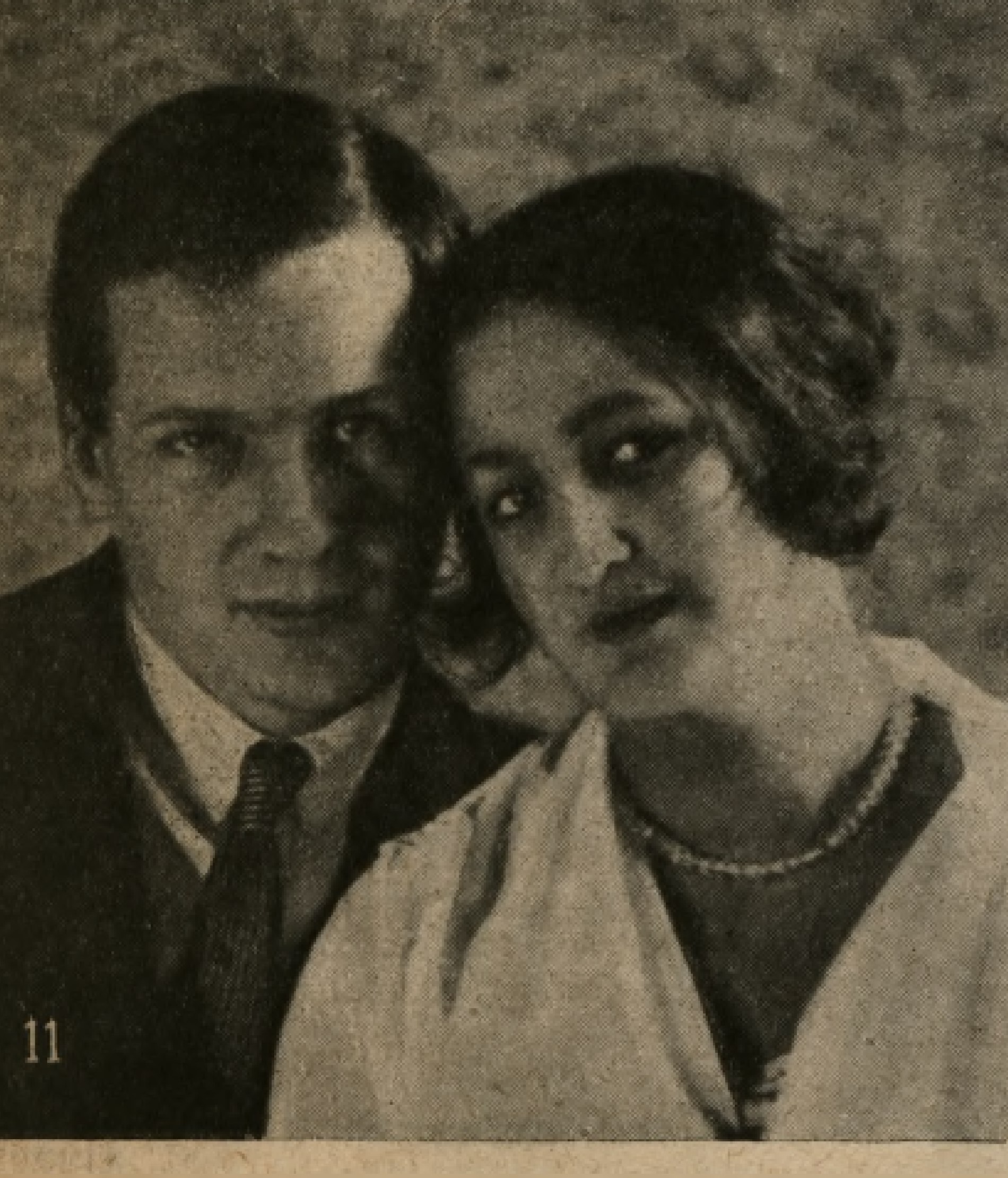
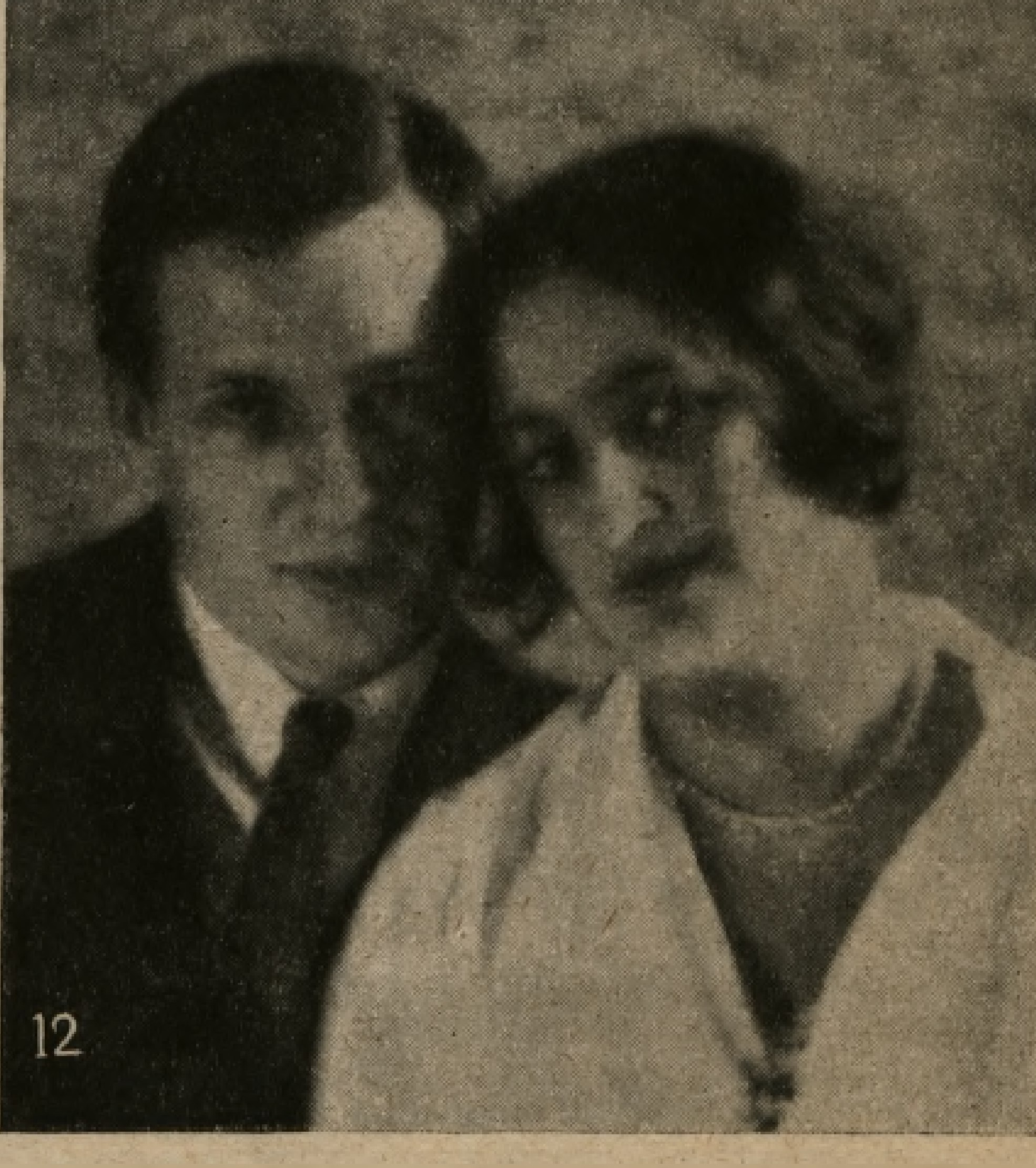
Dr. S. Kolomoytsev leads the reader through the whole gamma of sharpness in portraiture, from the crisp anastigmat to the dreamy Nicola-Pershaid, with examples by various masters each shown at its best. The illustrations are the numbered portraits reproduced with this article.
Our eye is built like a lens, with the same three glasses (media) — the front chamber, the crystalline lens and the vitreous body — which, like crown and flint glass, have different refractive indices; instead of a bellows, the crystalline lens itself stretches and contracts, and the image is drawn, as on a ground glass, on the retina, inverted (that we see things upright is a psychic act, a habit formed from childhood). The sharpness depends on the lenses’ quality and fitting, the clarity on the state of the eye’s media — and eyes differ even more than optical instruments: we all see unequally, one sharply, another as through a fog. Those images that best match our conception of the world we call natural and more artistic; so the question whether sharp or soft shots are more natural and artistic will never be settled. But this much seems beyond dispute: with sharp strokes the artist stresses the more important in the picture, the more individual in the portrait, while the secondary details must be softened so as not to nag the attention.
These examples try to show how far artistic softness can be reached in portraiture with various “soft-drawing” instruments. We deliberately give works by different masters, made at different times, rather than one subject shot under identical light with different lenses — because each lens wants its own lighting (the monocle and anastigmats love soft light, the Pershaid and Weichzeichner show themselves in contrasty light), and because, giving a master’s own work, we put his usual, best-studied instrument in its best conditions. The shots are chosen not as the happiest in conception but as the most demonstrative; all the lenses are of about the same focus (25–30 cm); the negatives are unretouched, only spots mended on the positives.
First the sharply-drawing anastigmat. The chased work of the great master A. A. Korenevich (photo 1, Olor Berthiot F/5.7): sharp strokes stress the sardonic smile, the affected pose, the rings and bracelet — any softening would weaken the whole. Clearly drawn too (photo 2, same lens) are the finest details of an interesting face, the wise wrinkles and characteristic folds; one shudders to think of an inexperienced hand smoothing a known scientist’s features into a “kid-glove” face. Considerably softer draws a portrait lens (photo 3, Dalmeyer 2B F/2.9): the central spot is still sharp enough, but the needless detail no longer nags. Softer still is the Heliostigmat (photo 4, Voigtländer F/2.5), its shallow depth plain to see, the figure’s farther parts dim and unsharp — a transition toward the Pershaid’s drawing.
The monocle is a single glass, a very imperfect instrument with uncorrected spherical and chromatic aberration — the first of no special account in portraiture, the second correctable by shifting the ground glass (and plate) forward after focusing, by a special table, to where the violet and blue (more actinic) rays focus. Photo 5 (Werner’s monocle, F/6) is rather sharp thanks to full correction, orthochromatic material and a filter, the monocle’s brilliance and airiness well shown; photo 6 (same lens, orthochromatic, almost full correction but no filter) is softer and more blurred; photo 7 has still less correction and no filter, and shows the monocle’s best qualities most clearly.
The “Nicola Pershaid” of Busch is a pair of menisci, a periscope-semi-achromat: despite its special filter it works very softly and tenderly, bringing out (unlike the monocle, which can stress sharply) whatever the artist wishes while leaving the secondary shaded as in a fog — all its shots, even Nicola Pershaid’s own, bear a stamp of deep calm and dreamy pensiveness. P. A. Ezersky’s portrait of the people’s artist Gnat Yura (photo 8, F/4.5 with filter) demonstrates in perfection the Pershaid’s radiance-without-brilliance; and a further shot by Pershaid himself, without a filter on an ordinary plate (F/4.5), is as interesting.
Shots made with sharp-drawing instruments plus a “softening lens” most resemble the Pershaid, understandably, since adding a meniscus to a well-corrected lens upsets its chromatic correction, lengthens the focus and cuts the speed (a further example was made with a Tessar F/4.5 and a Distar lens on an orthochromatic plate). Lastly, a word on Voigtländer’s Weichzeichner — a periscope of 18 cm focus and about F/8, a fair and familiar landscape lens lately popular for portraits: any sharp, over-contrasty negative, enlarged through it, gives by its incomplete chromatic correction a softer and, in suitable cases, more artistic positive. Its softness is not that of a Petzval, Heliostigmat or monocle; it most resembles the Pershaid, save that it spreads evenly over the whole image, with sharp strokes wholly absent.
— Dr. Sergei Kolomoytsev