
A new permanent department opens — grounded criticism of readers’ shots, in the spirit of the “How Not to Shoot” pages that drew such interest.
Until now Sovetskoe Foto has printed shots of positive interest — by which beginners could learn how one should shoot — the best work of Moscow and provincial photographers. The interest aroused by the two “How Not to Shoot” pages prompts the editors to give a permanent place to the shots of workers not yet versed in the difficult, capricious art of photography, with all the merits and faults of their work and reviews of them; and sometimes the work of experienced old photographers with characteristic faults will fall here too.
What sense, someone will ask, in printing shots that knowingly fail the demands of criticism, pale in design or execution? Because errors, established and explained, can be more useful to authors and readers than praise of the merits of impeccable shots; criticism grounded and confirmed by illustration is more instructive than admiration of fine work. To show a shot’s faults visually, mark the weak places and set the way to cure them — that is this department’s aim. On the other hand, it will also carry shots that cannot stand in the journal as independent illustrations but have some positive sides, which will likewise be noted. Most photographers master the technique — focusing, exposure, printing — but do not grasp the demands of greatest expressiveness, artistry and rational organization; this department will try to help the photographer, especially the beginner, with just these questions, of which the guides say not a word.
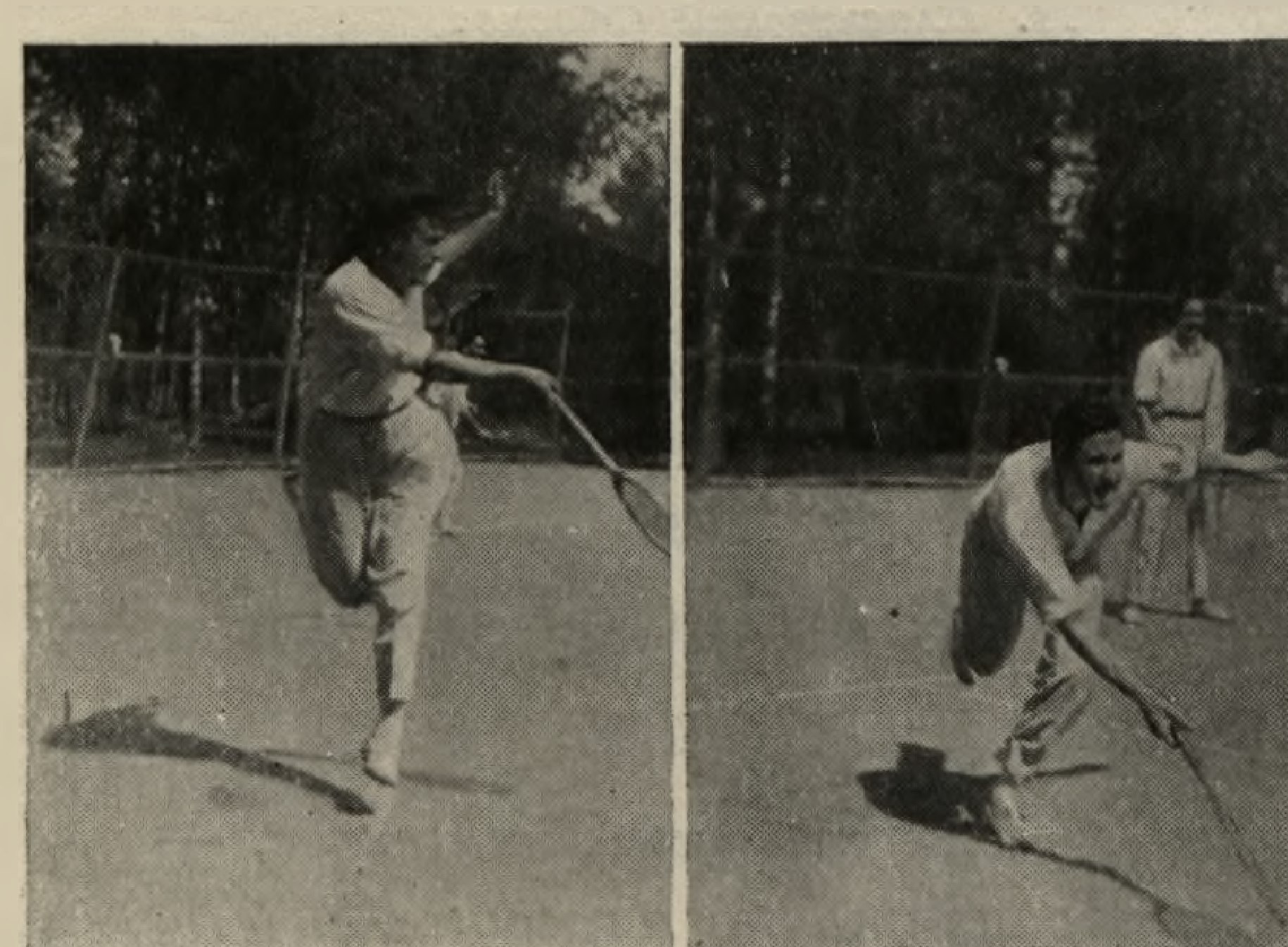
“Tennis” (B. Ivanov, Moscow). Two moments of the game are well chosen; the player’s movement, lit by bright sun (without which the needed shutter speed would be impossible), is caught and brought out. The shots are rather interesting and, above all, living.
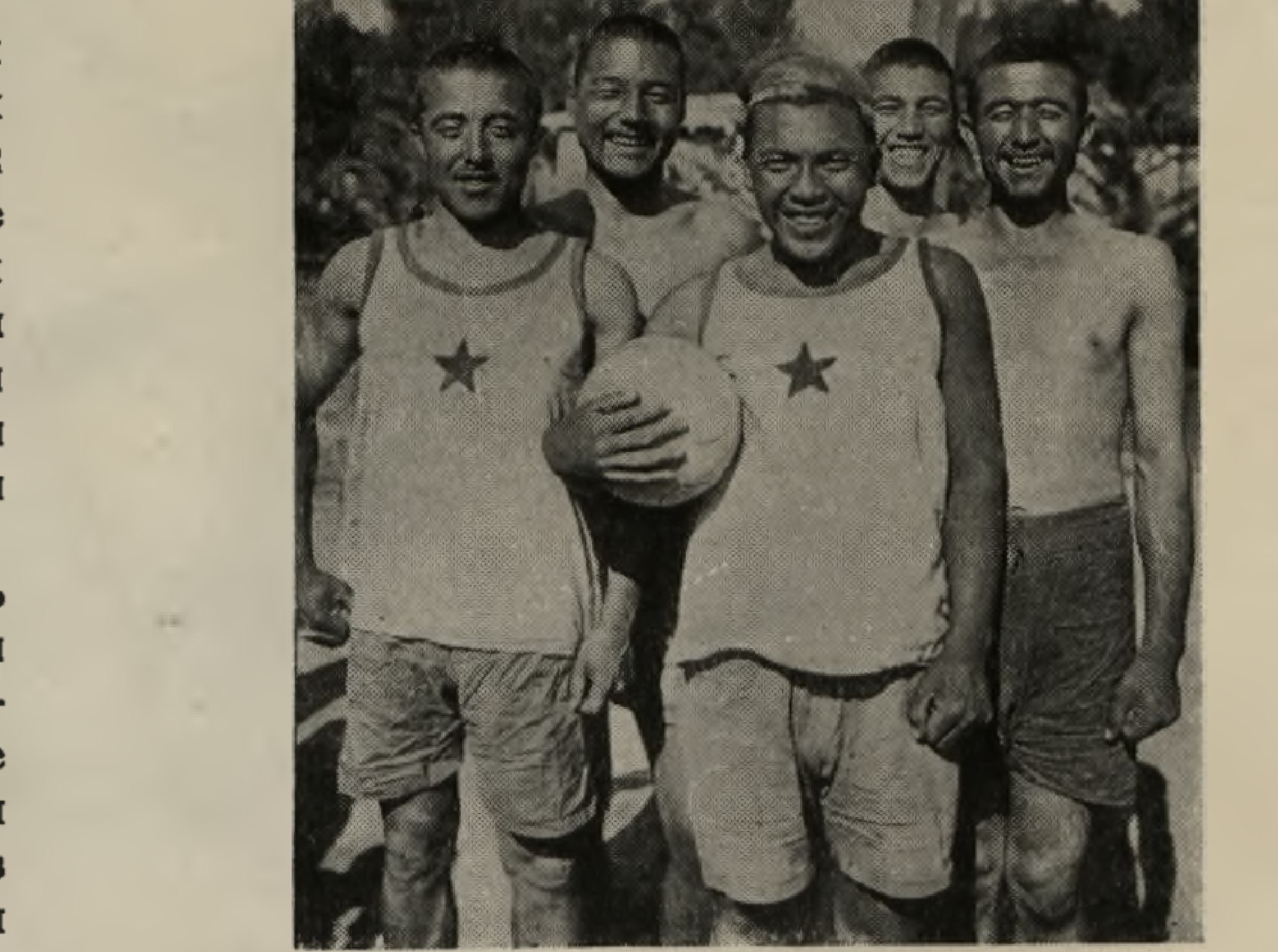
“Physical-Culturists — Uzbeks” (Ilyinsky, Tashkent). Also a sporting subject — but of sport, costumes and the ball apart, there is nothing in the shot. One should not line up footballers with smiling faces in rows, but catch some telling moment of this lively game, express the players’ passion and tension, not pose them in a way unconnected with the sport; as a group interesting only to its members, the shot can have no journal value. Focusing and exposure are correct.
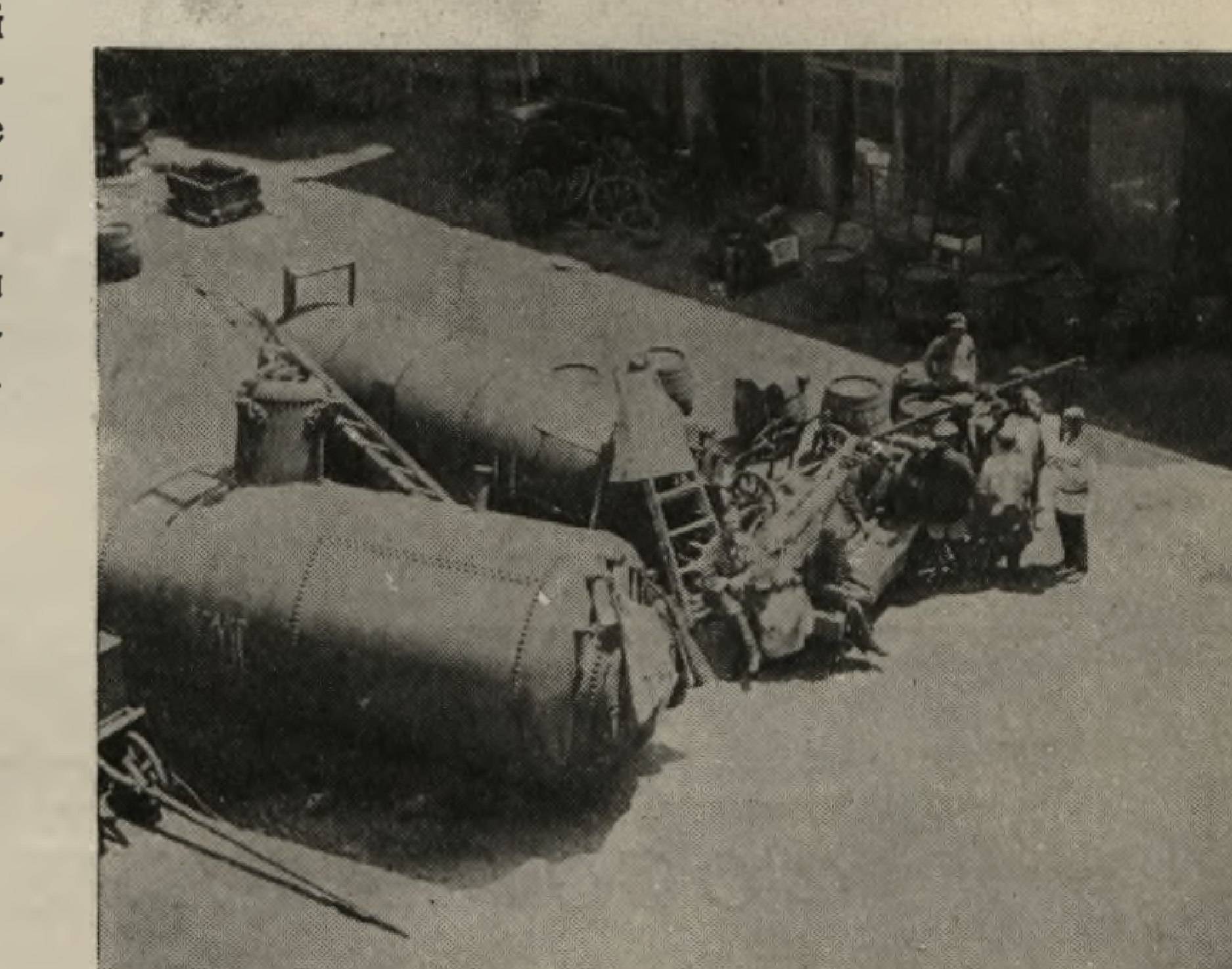
“Lunch Break at the Factory” (V. Zvorsky, Rostov-on-Don). Without this explanatory title the viewer would hardly guess the subject of this “riddle-picture.” If it is a lunch break, the central place should go to groups of workers; here they are wholly neutralized and pushed to the background by masses of enormous (non-lunching) boilers. Everything is at rest, yet the main lines run along the diagonal — a form that usually marks movement; the yard pavement, come out white, is not worked up. The shot does not answer to its name, and the author’s theme is not brought out.
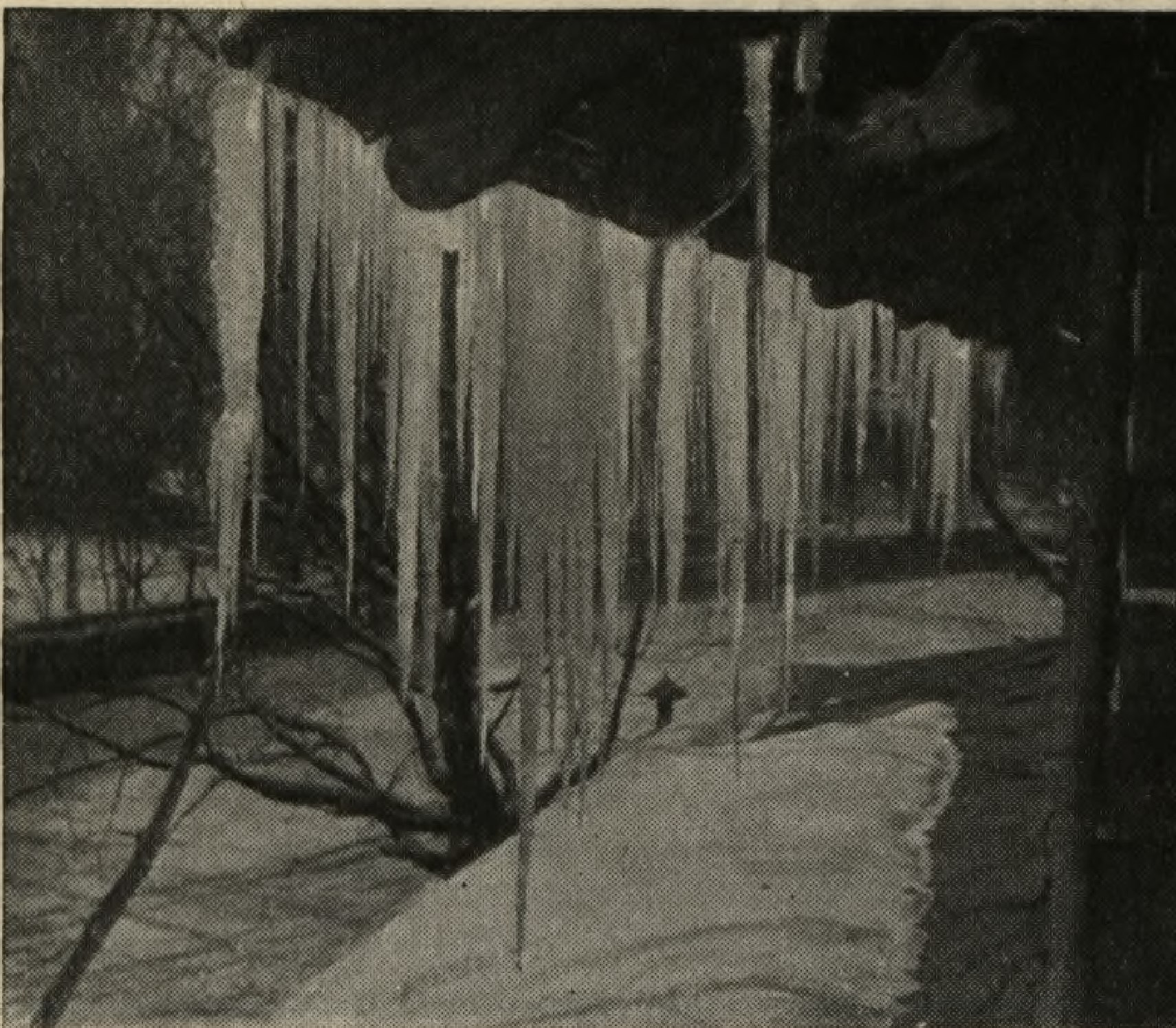
“Spring” (Yu. Zaitsev, Bezhitsa). Icicles hang from the roof. The photographer has shown the play of light and shade — the sun shines but still warms too little for the ice to melt. Interestingly conceived and well executed.
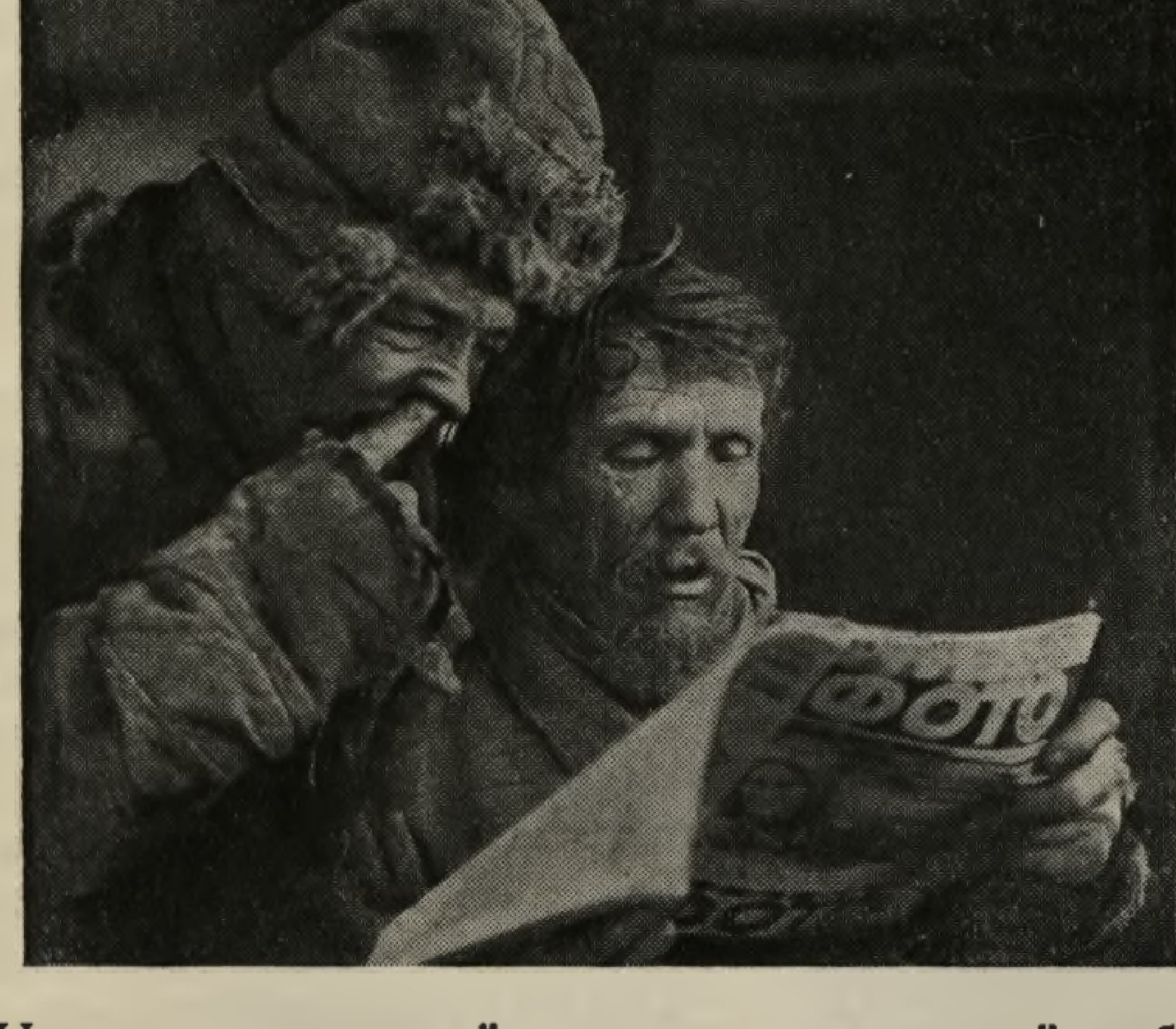
One cannot praise another work of the same author — a group of two peasants, one attentively reading Sovetskoe Foto while the other is busy with a little-aesthetic operation in his nose. If the author meant to show that our journal reaches the peasant masses, his photographic confirmation of it does not, one must admit, ring with the truth of life: the shot is artificial, far-fetched, false. Technically (exposure, lighting, focusing) it is well made.
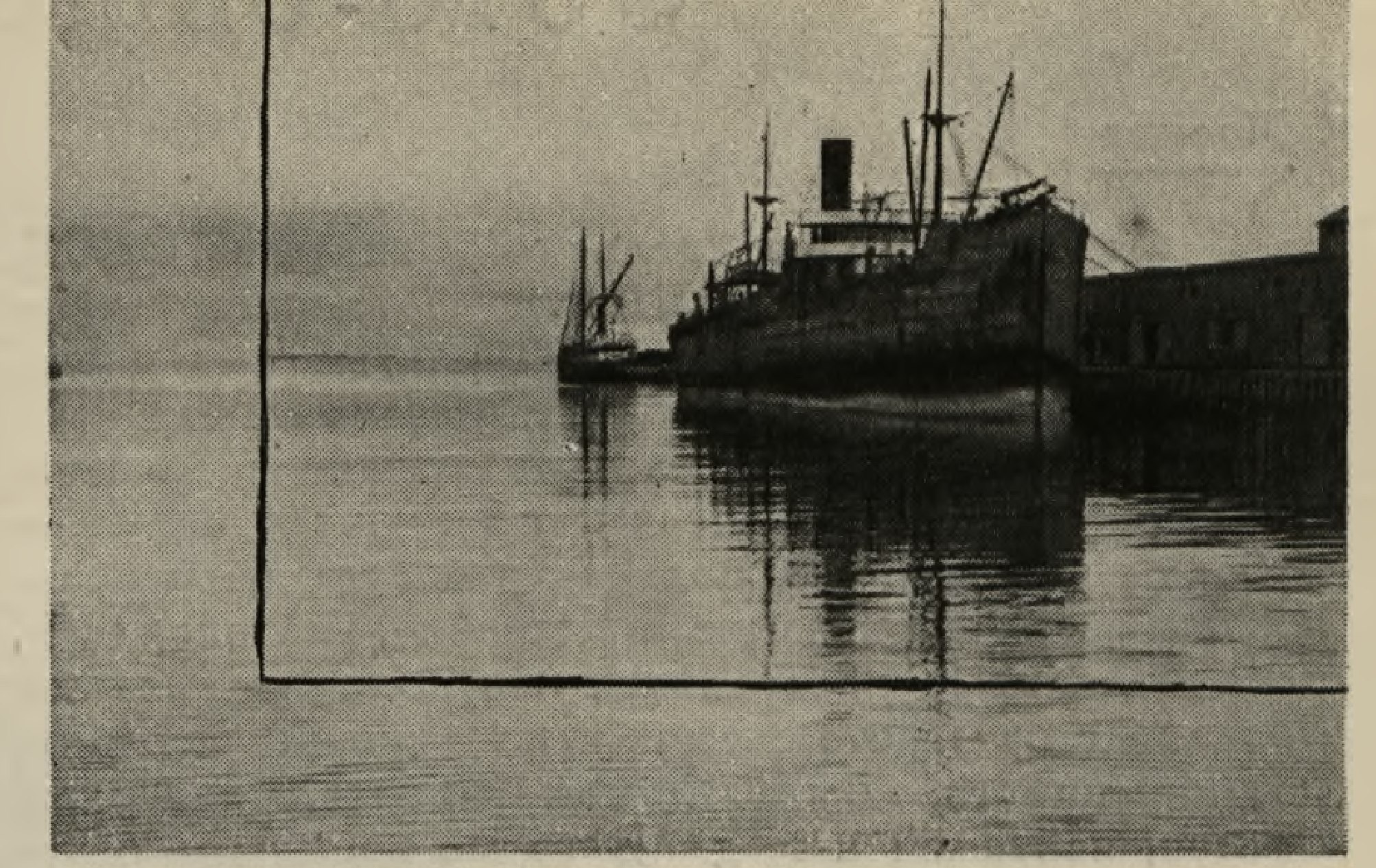
“At the Wharf” (Grigoryev, San Francisco). Quite satisfactory, the reflection of a sea steamer well caught in the water; but the impression is weakened by too large a field of water on the left and in the foreground — a fault to be cured by cropping along the lines we have marked.
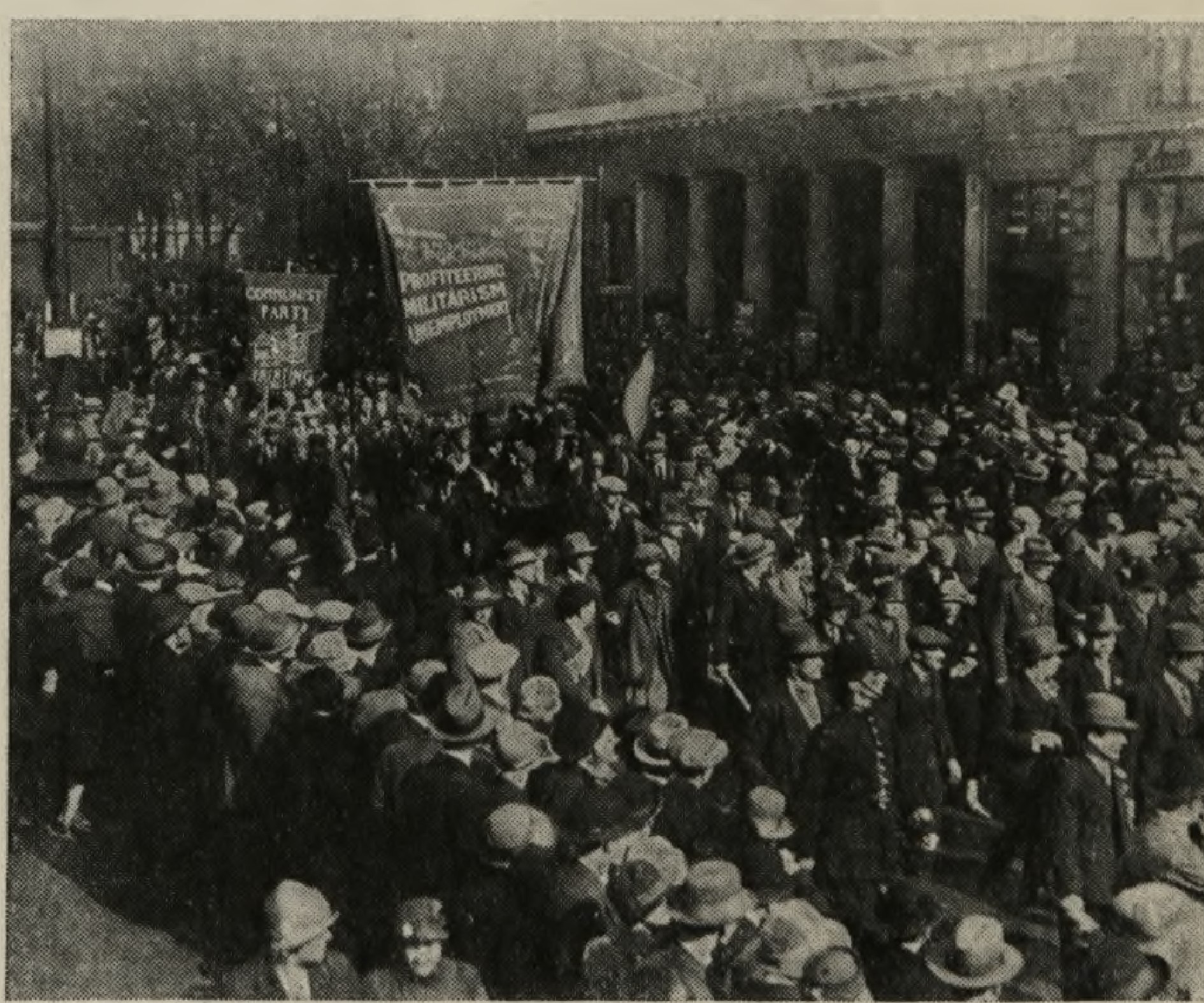
“Demonstration of 1 May 1927 in London” (G. Kivkutsan, London). This clear shot of a mass subject is excellently done: the crowd is living, movement is felt (got by placing it along the diagonal), and the variety of detail stands out in relief — the crowd of spectators damming the pavements, the policemen, the banners of the communist party. Both the viewpoint and the moment are well chosen, and this, with the sharpness of every plane, makes the shot quite fit for the illustrated topical journals. Being an amateur, the author also reckoned with the demands of journal work and, with reporter’s speed, sent his shots of the London May Day demonstrations to Moscow by air mail, to the editors of Sovetskoe Foto, who were thus able to pass three of them to Ogonyok; the author received a fee of 15 rubles from Ogonyok, so his labours were rewarded both morally and materially.
— A. Ivanov-Terentyev
Send your shots for the department “Reviews of Shots.”