Soviet Photo Archive / 1928
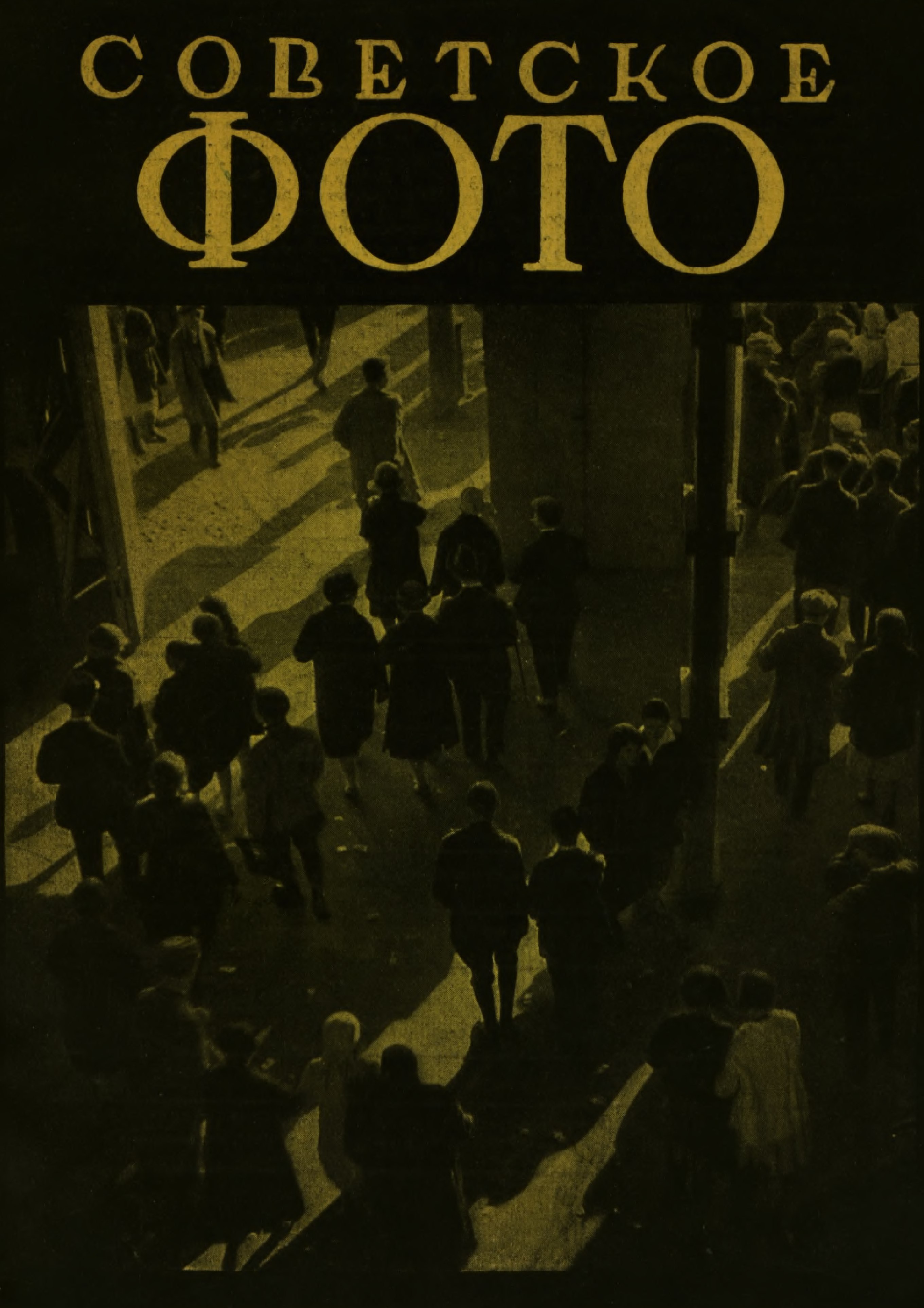
No. 10 — October 1928
October 1928 · 48 pages
No. 10 of «Sovetskoe Foto» for October 1928, behind V. Mikulin’s cover of the entrance to the Moscow Park of Culture and Rest, opens its third year’s close with a programmatic editorial reducing the tasks of worker photo-amateurism to three — the circle, “closer to life,” and learning from the masters — and with Boltyansky’s companion appeal on how and what to shoot for the October anniversary (the new daily life, not the parade cliché). It announces the eighth competition on three anniversary and worker-correspondent themes.
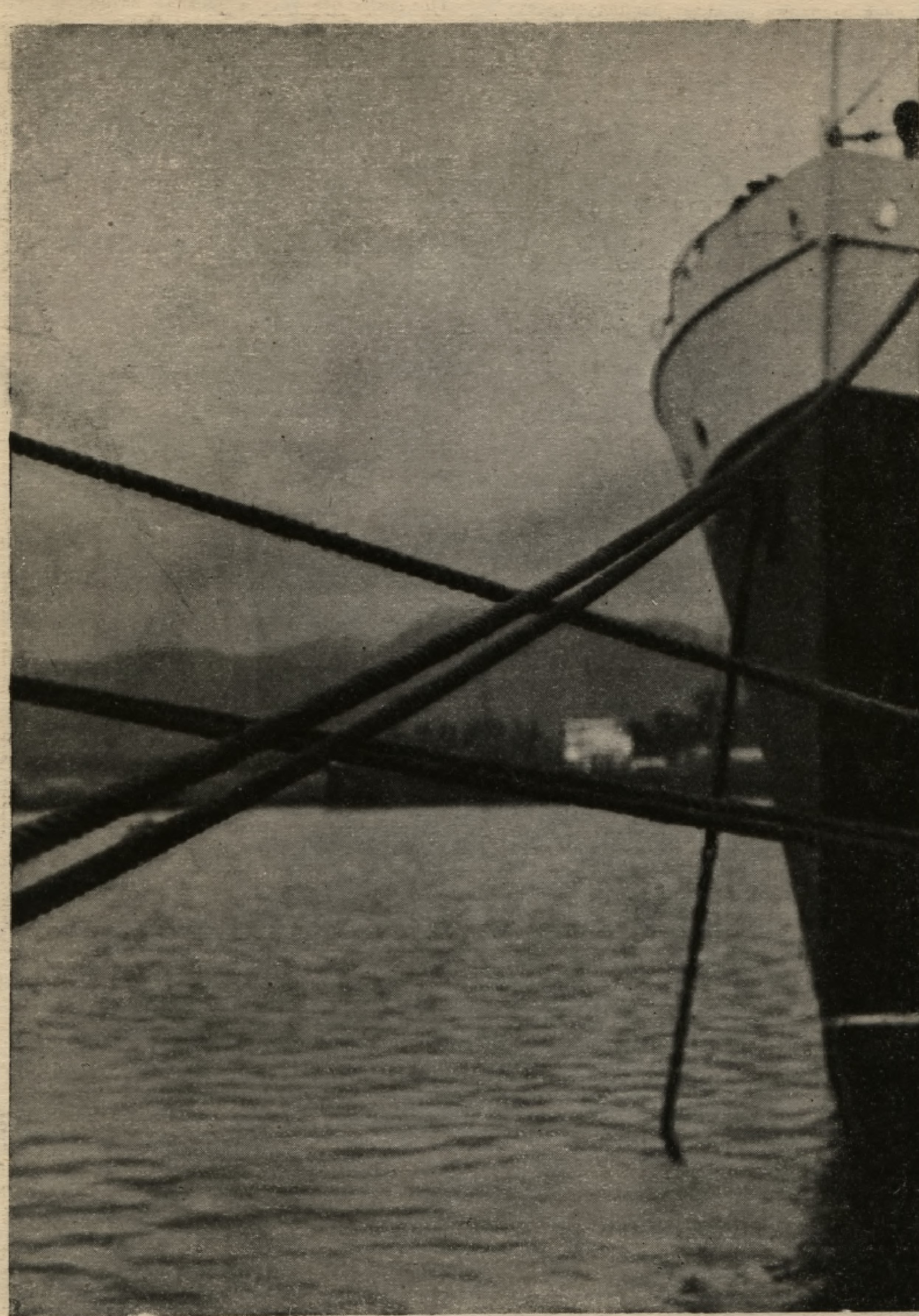
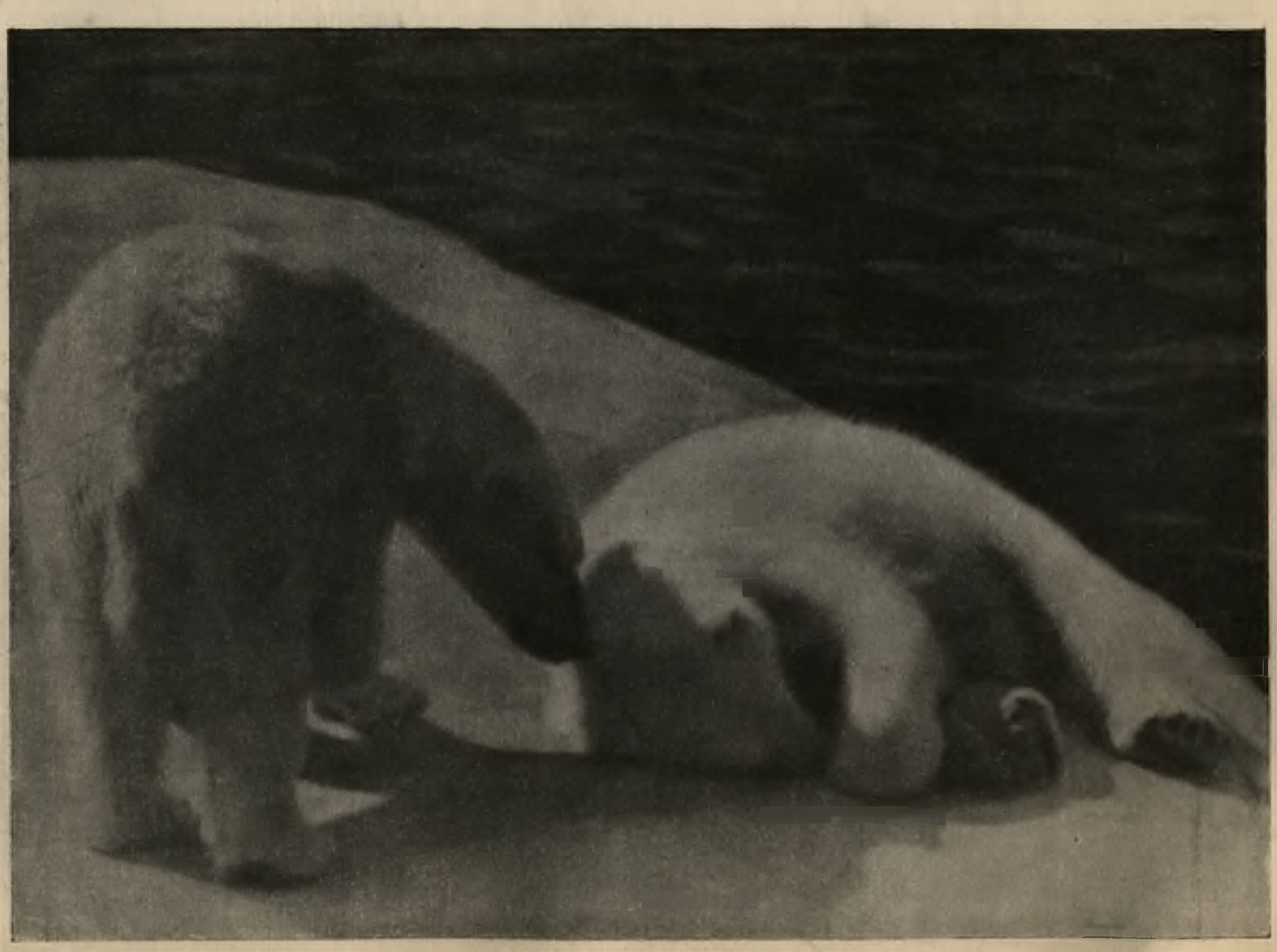
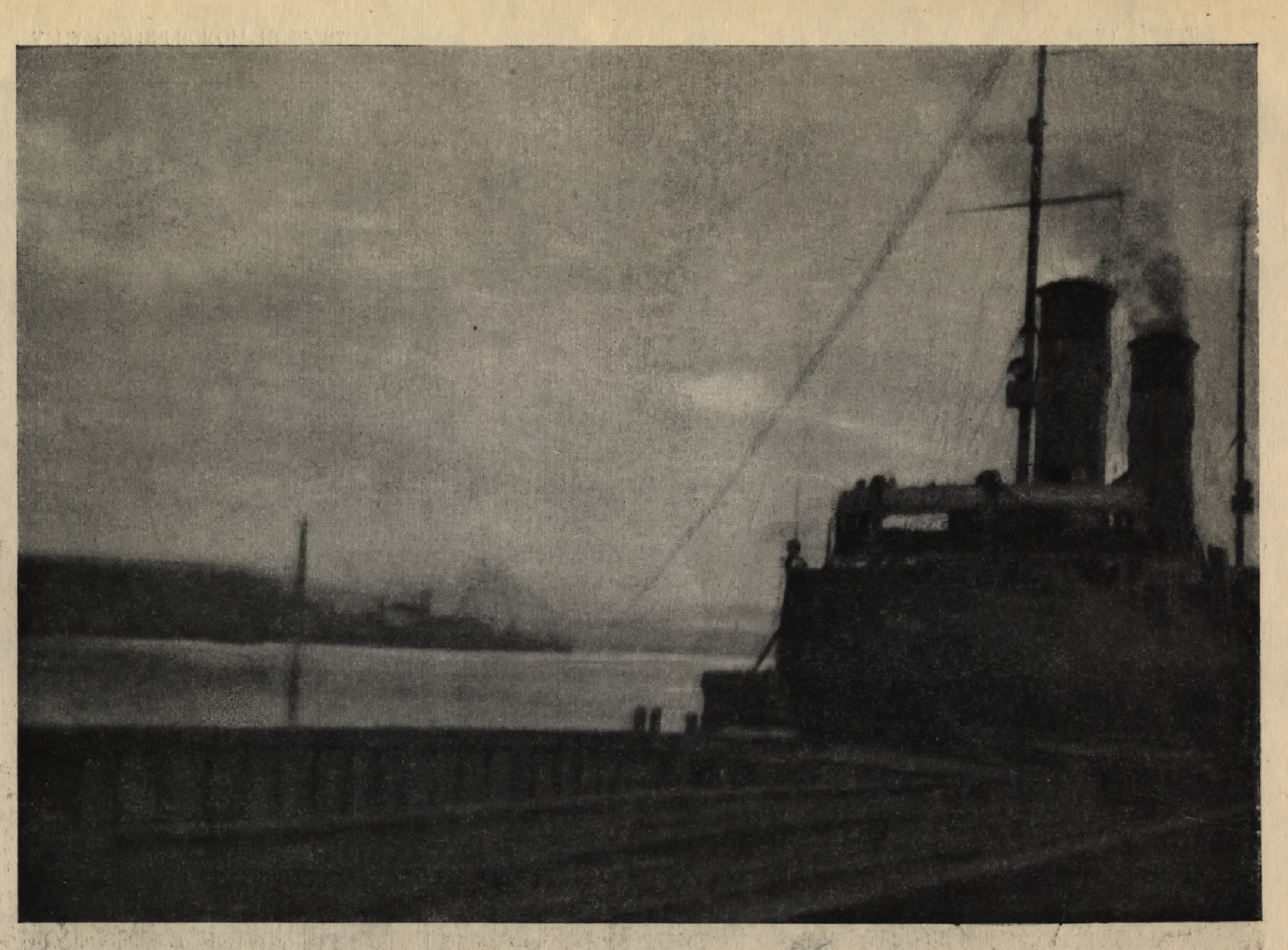
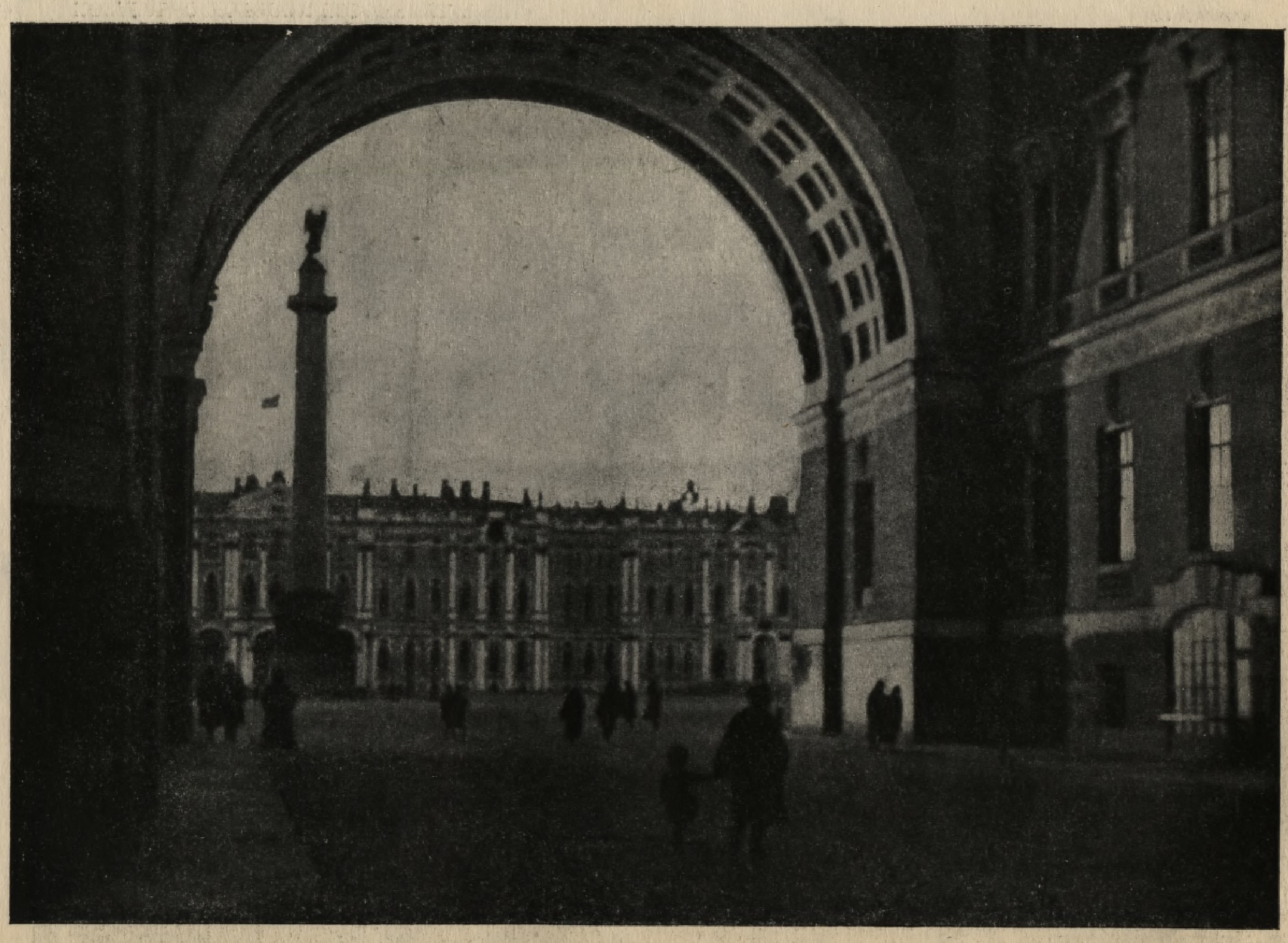
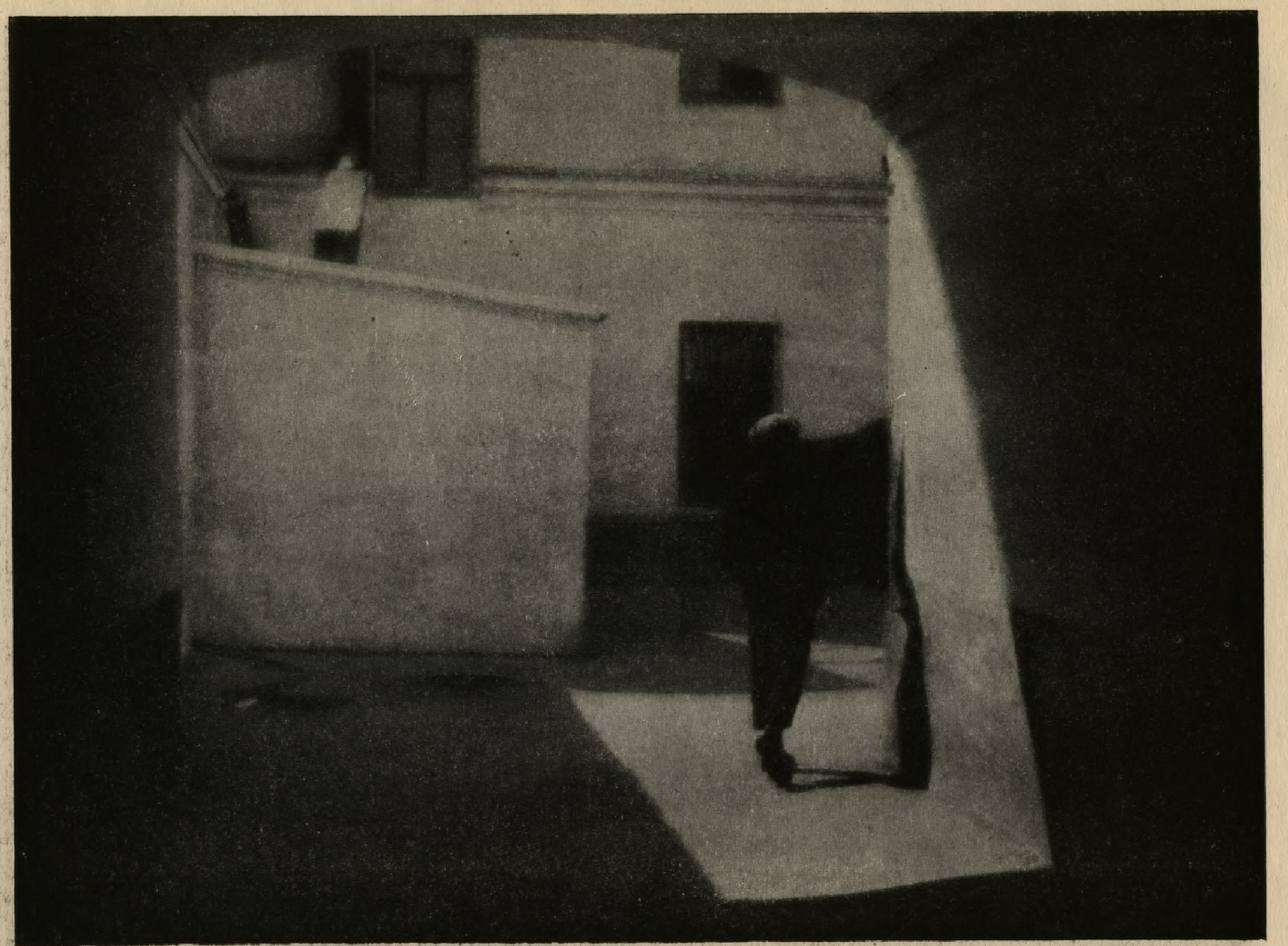
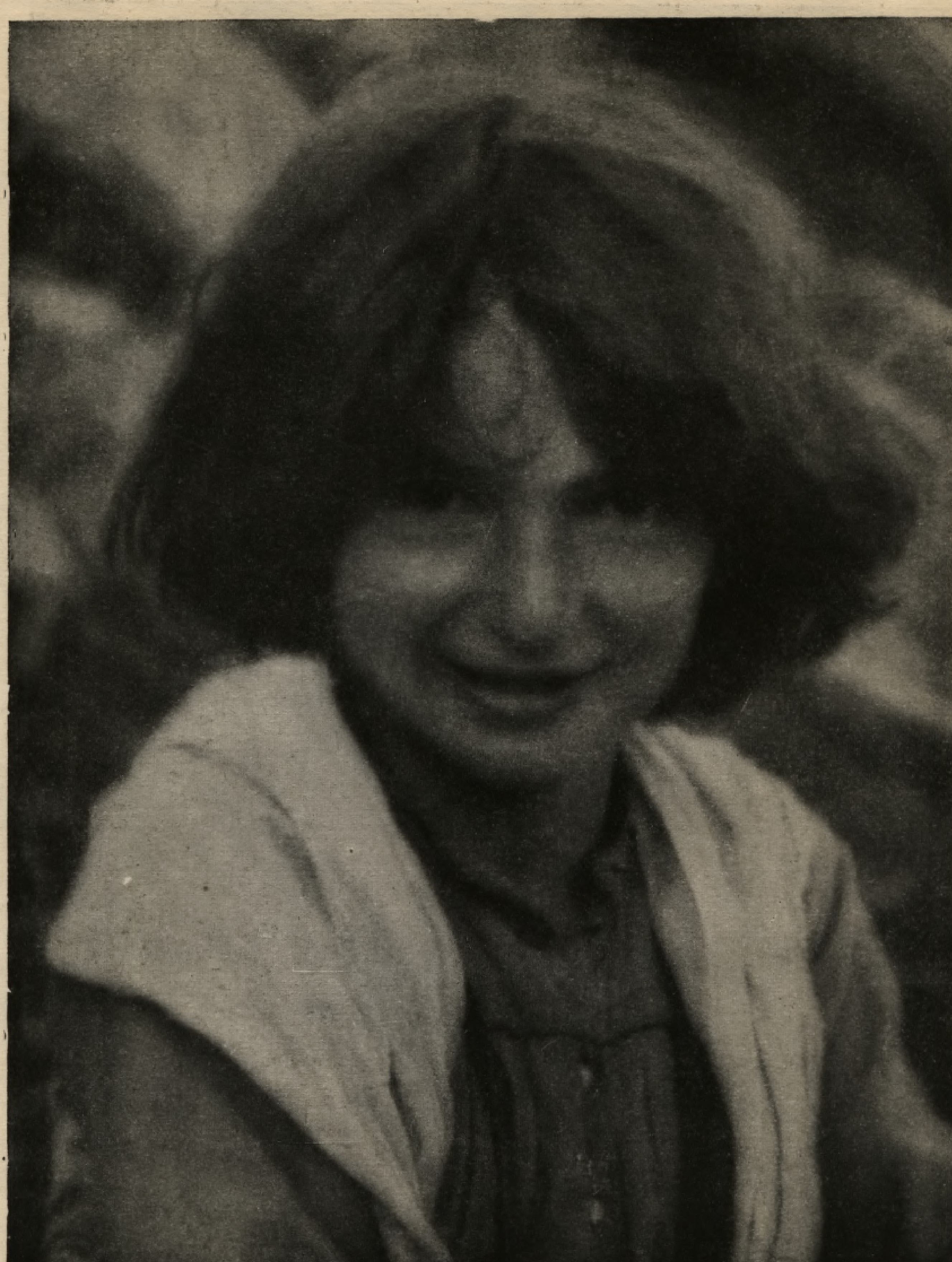
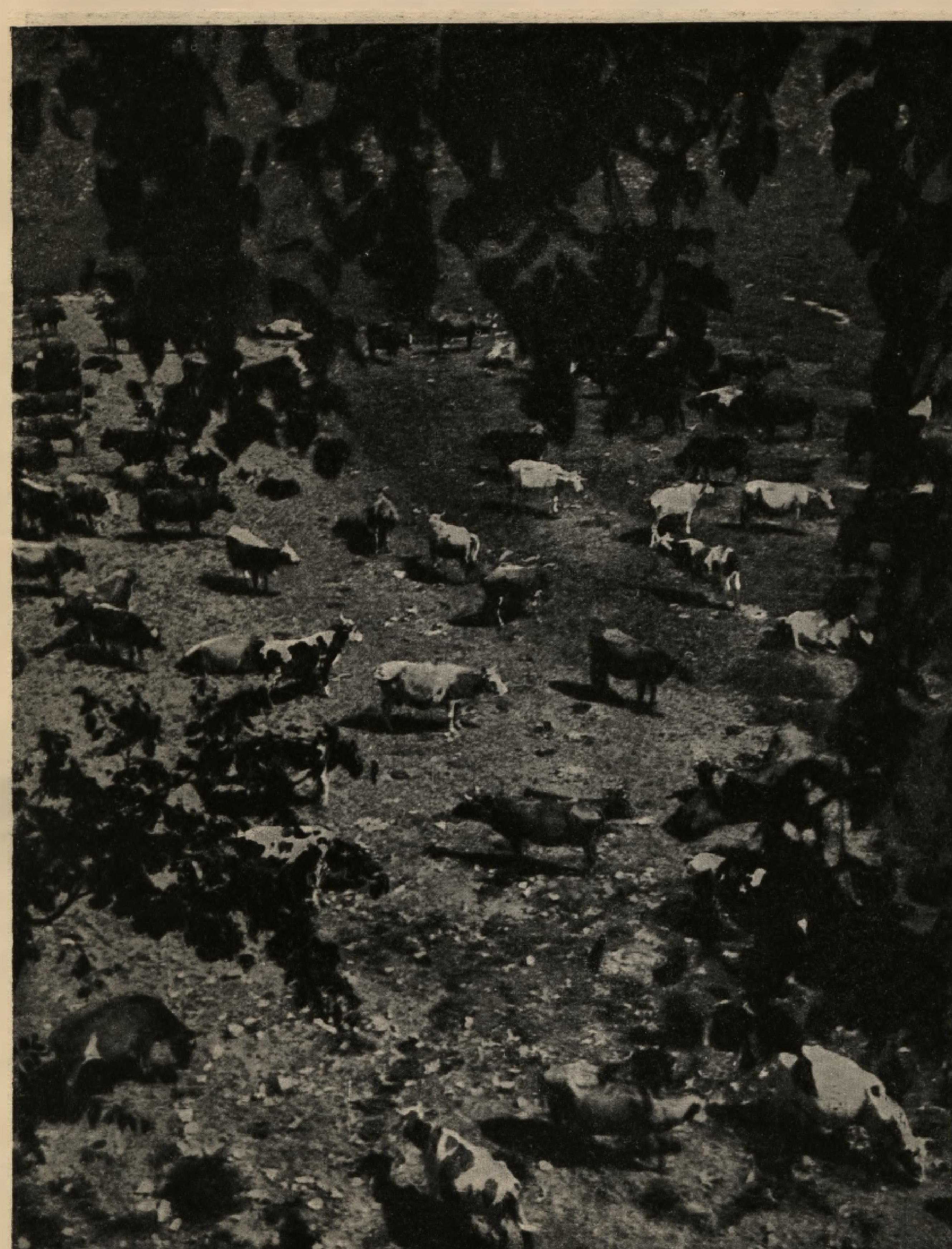
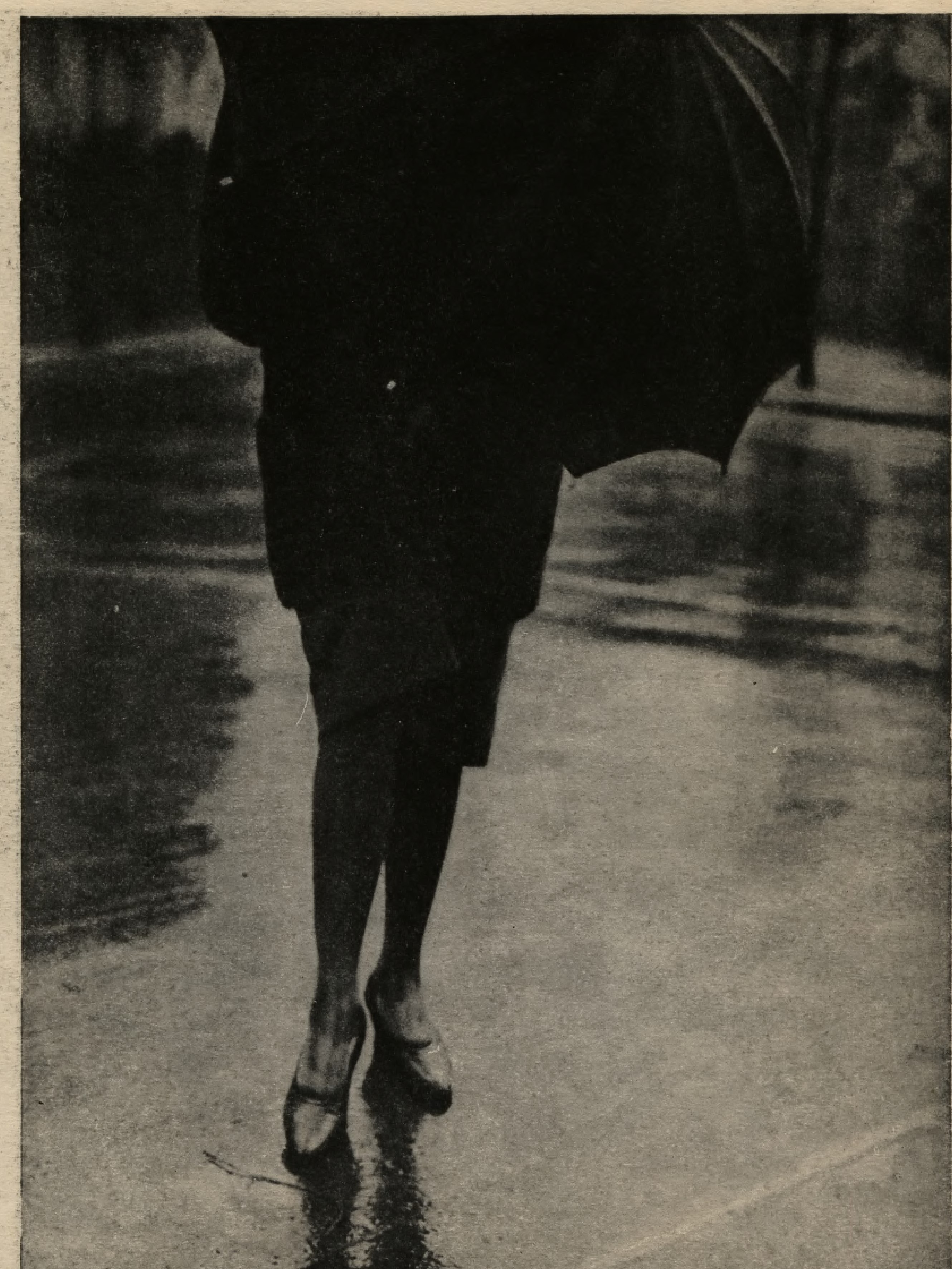
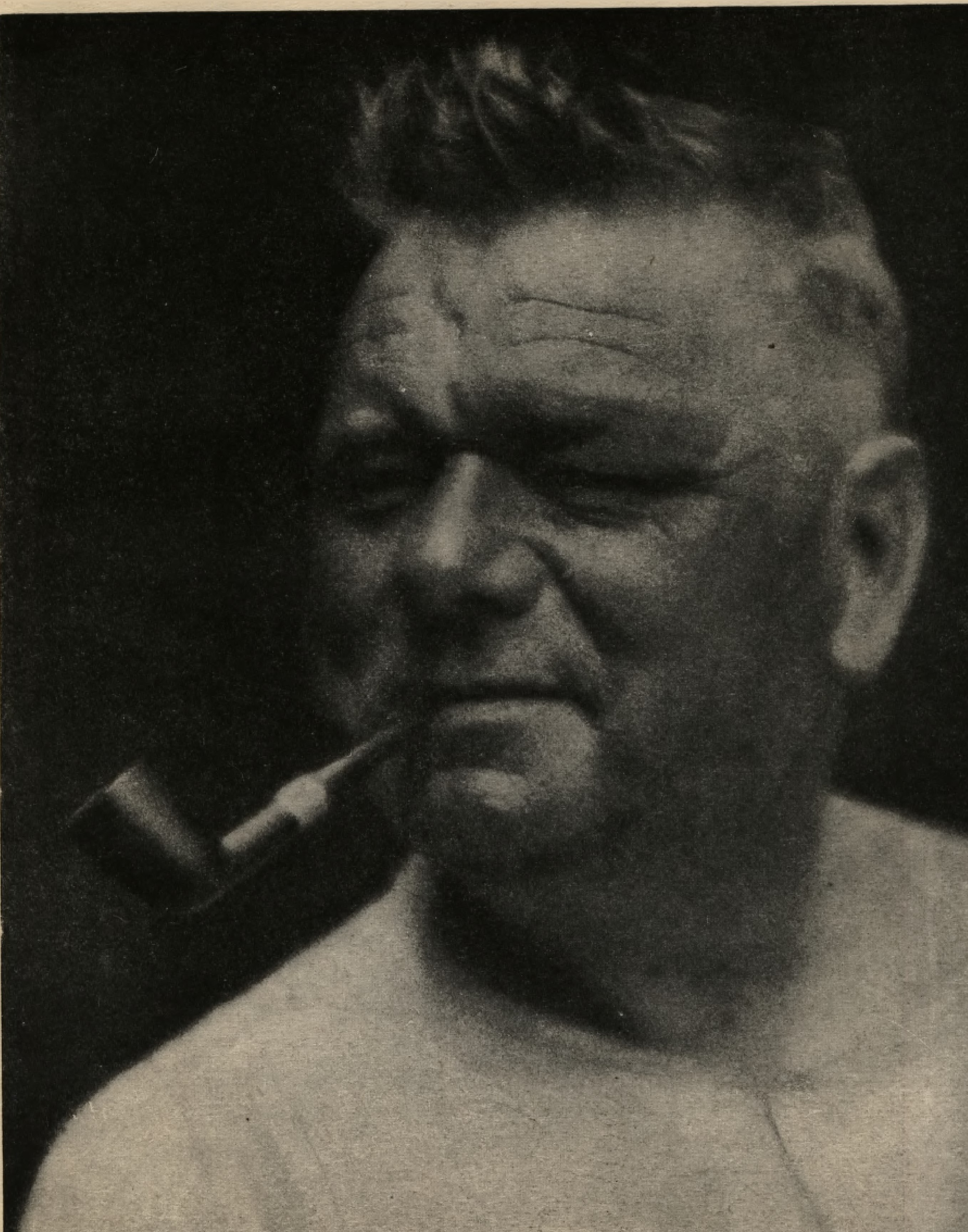
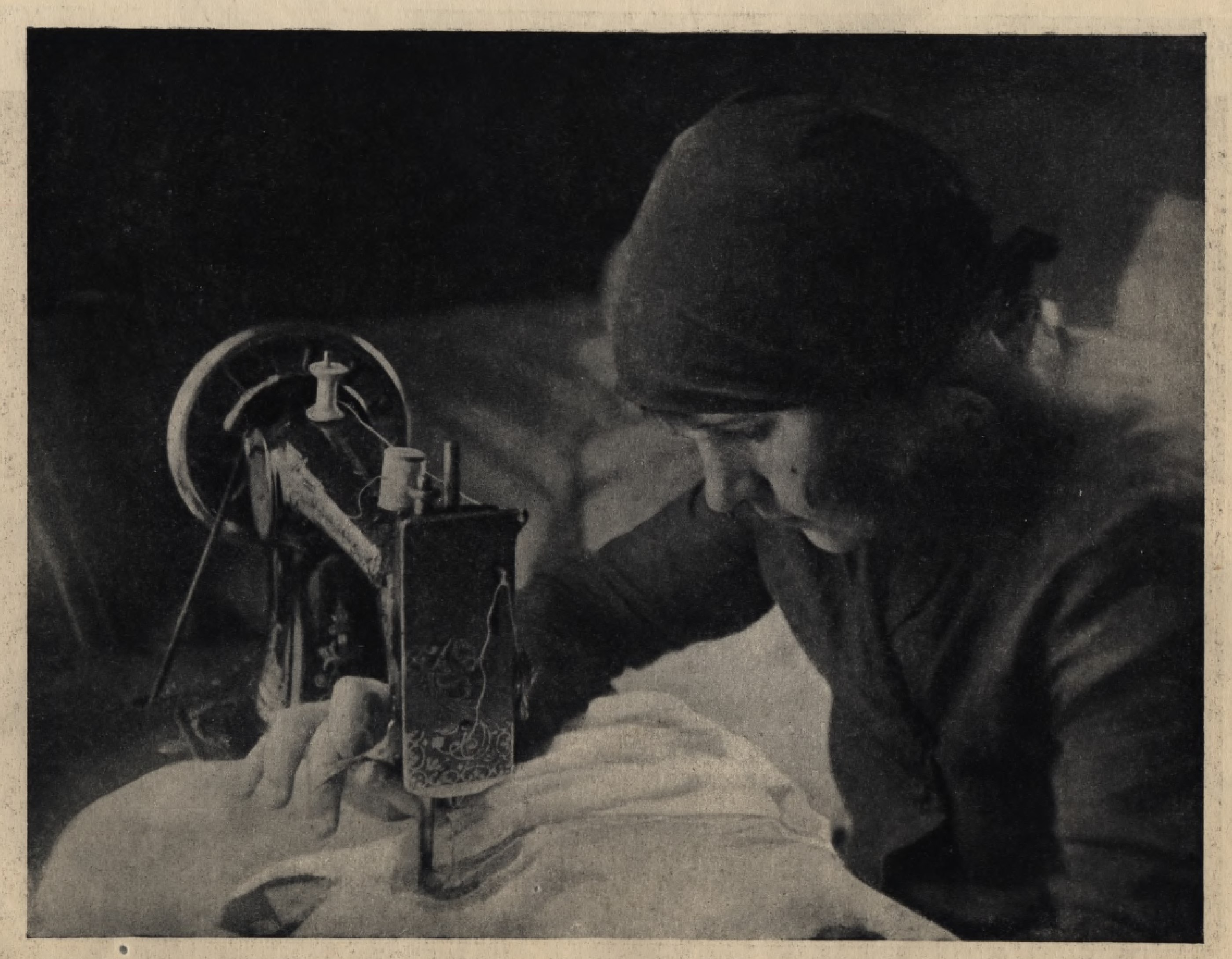
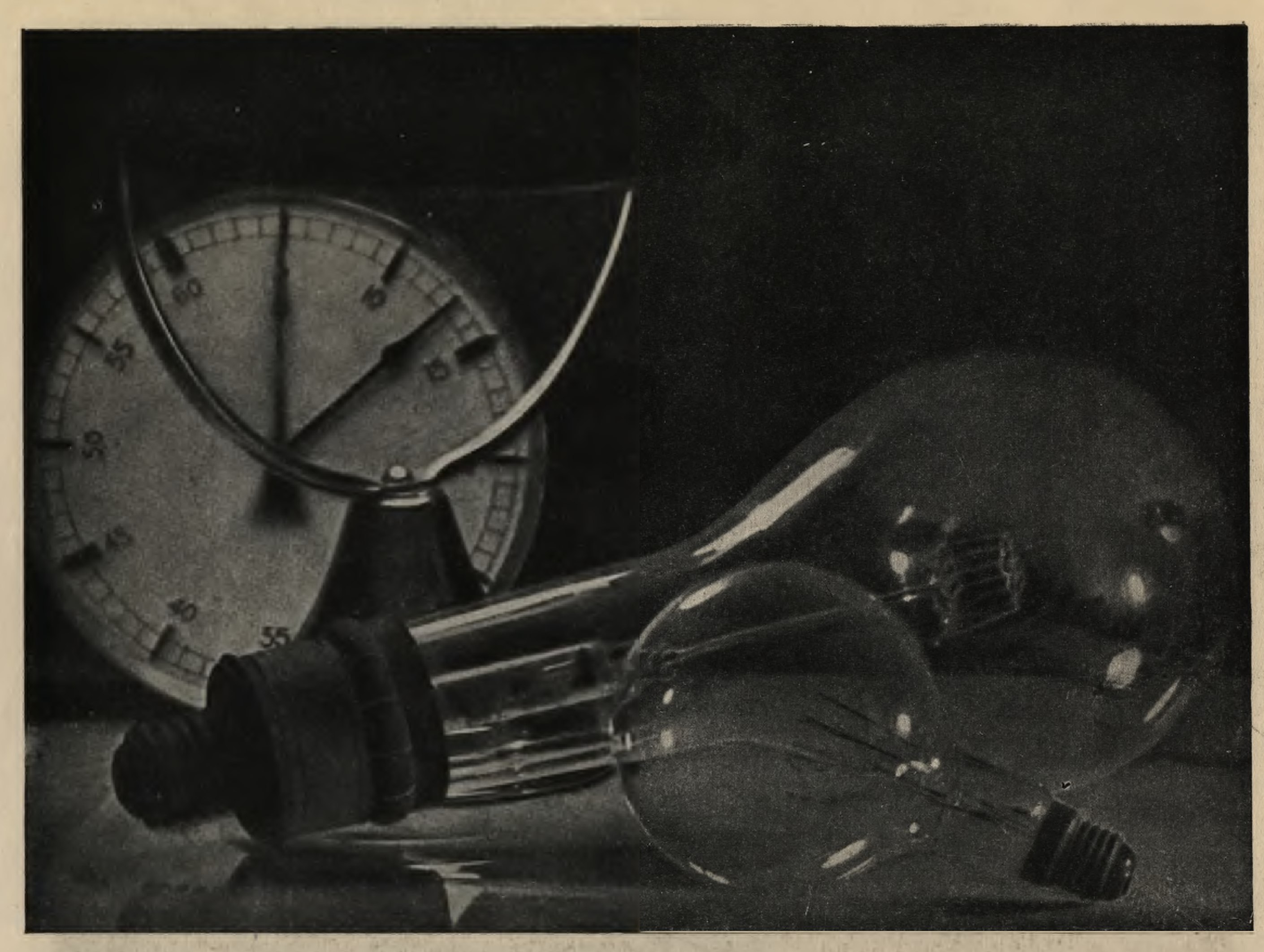
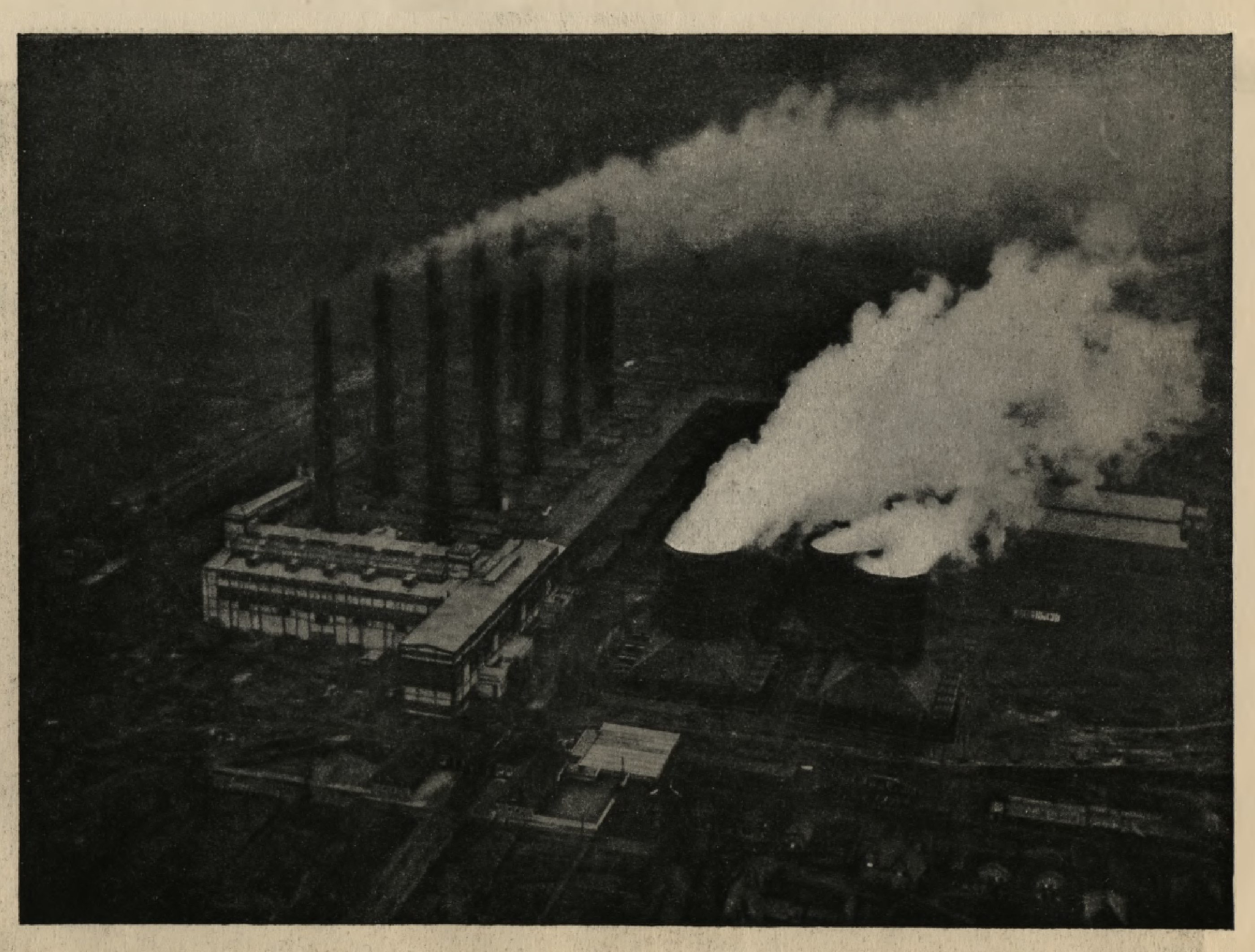
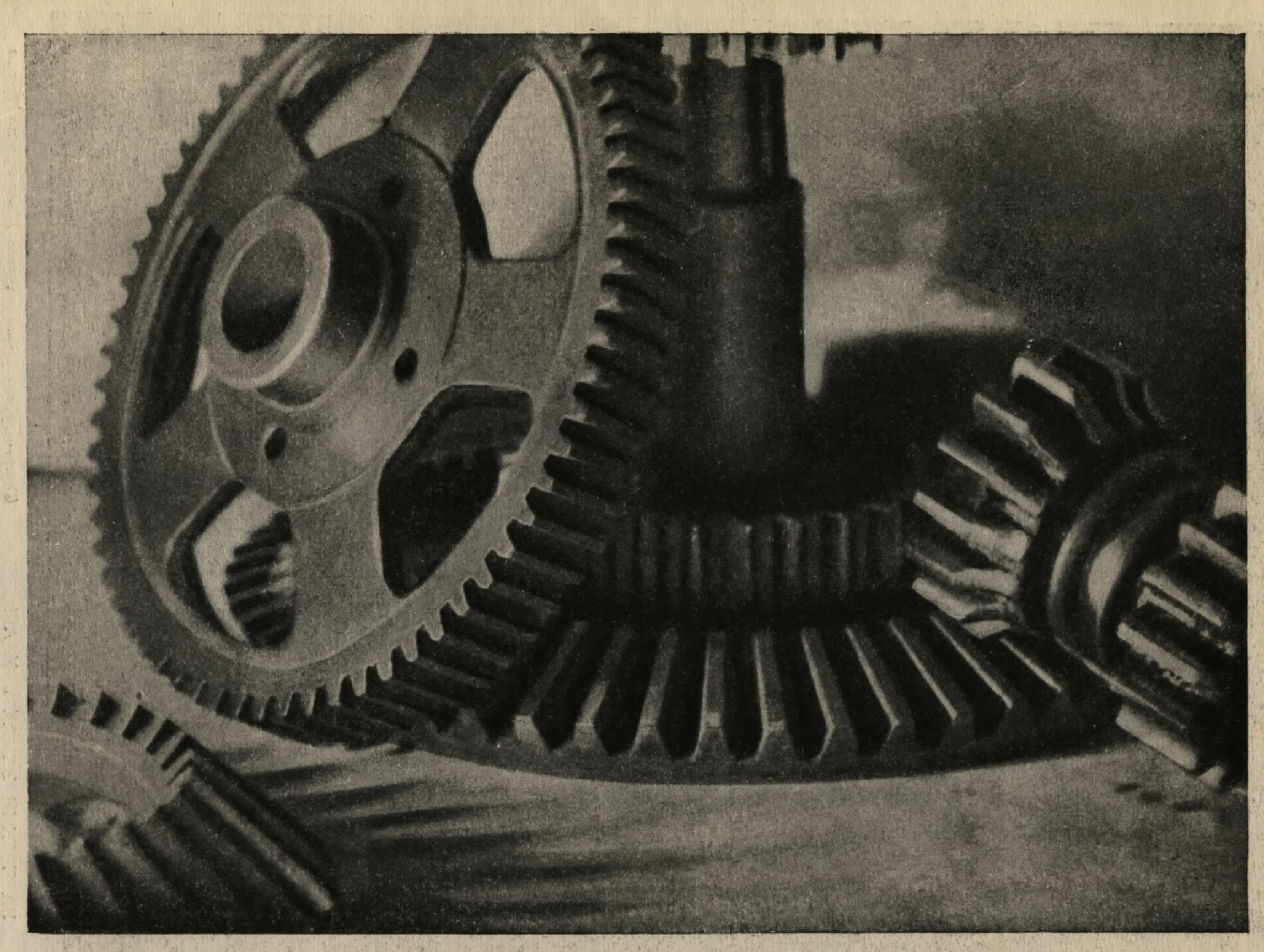
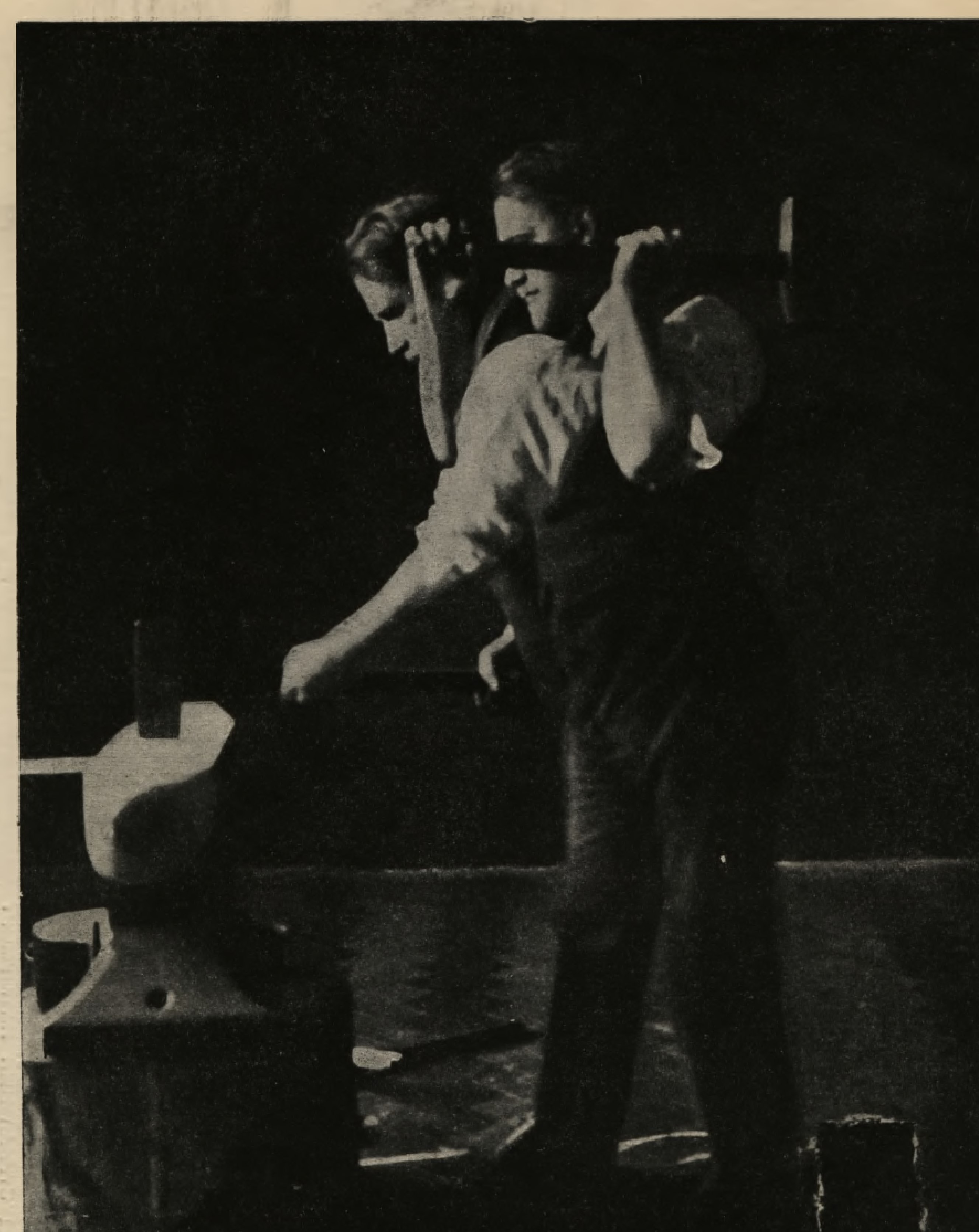
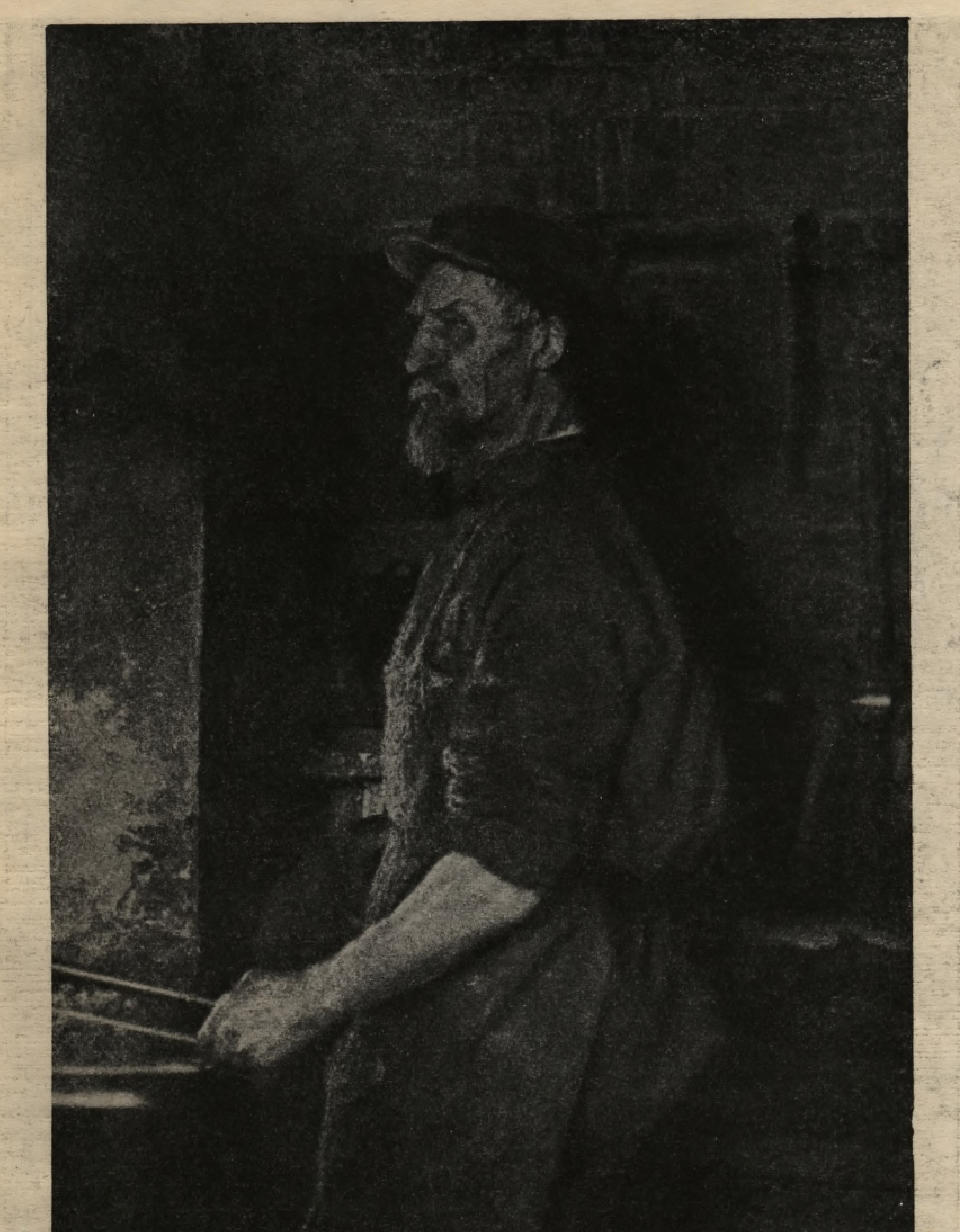
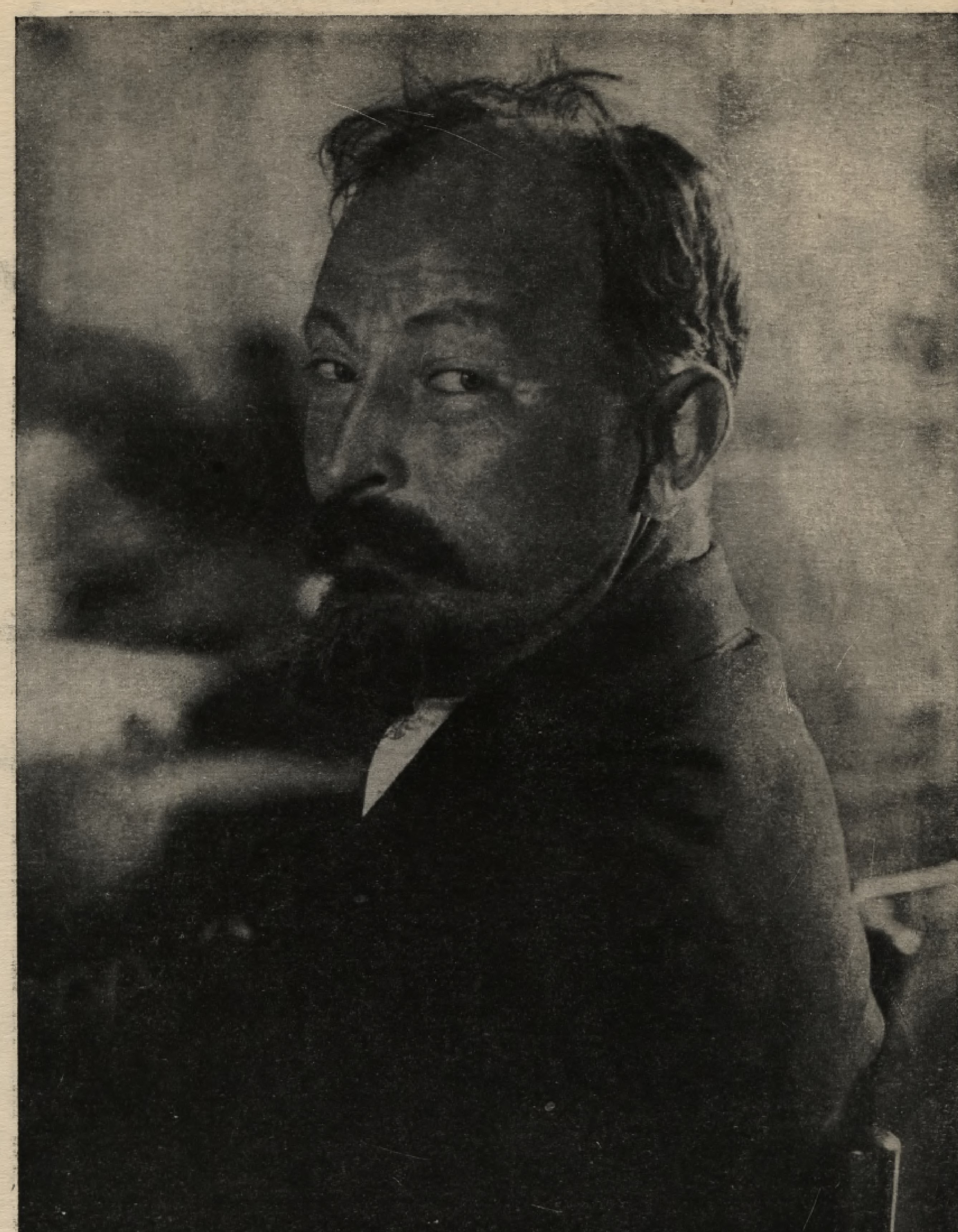
The technical matter is unusually full: the circle’s first laboratory exercise (F. L.); Smaragdov’s proposed glass “photo-standard” for measuring negatives by number; Petrov on haloes and their removal; the second chemistry talk (structure of matter and formulas); Moiseenko’s home method of timing a shutter; Grokhovsky’s design for a Soviet universal camera; a primer on supplementary (Distar/Proxar) lenses; the scientific test that found the “GD” filter almost useless; and a page of foreign-journal recipes. The reportage centrepiece is Z. Ostrovsky’s vivid account of being the lone — amateur — photographer of the icebreaker “Malygin” in the Arctic. Sixteen plates follow (Eremin’s “Krasin” and his “Arch of the October Victory,” Petchov’s “Industrial Symphony,” Novitsky’s gears, Chebotaev’s “Iron Waits,” Kapustyansky’s unposed Dzerzhinsky and more), read one by one in “To Our Illustrations.” The number closes with photo-community news (including the stormy meeting over the price of home-made Soviet cameras), the roll of “active friends,” the subscribers’ letterbox, and the 30-book publishing plan for 1929.
In this issue
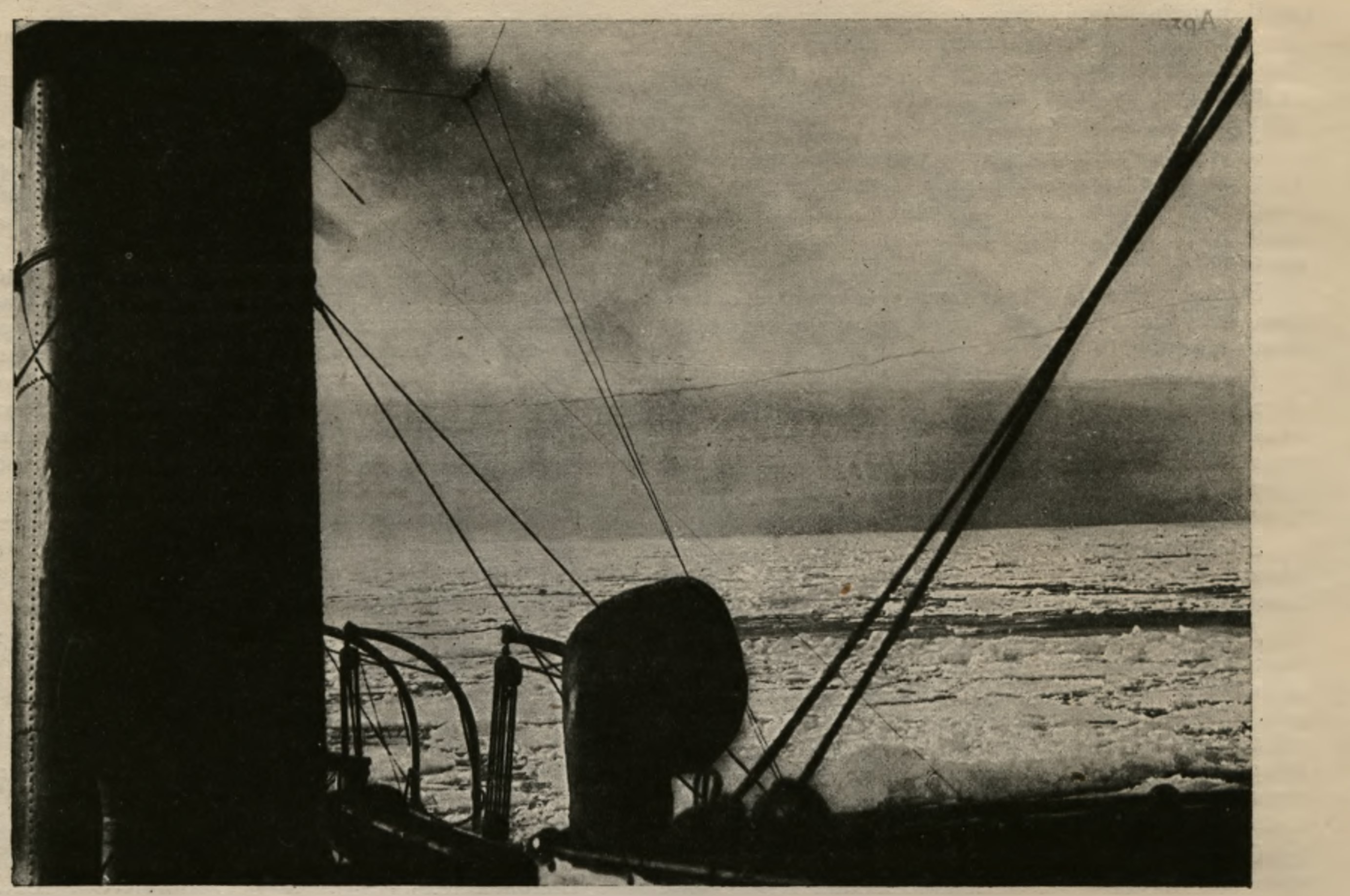 A Photo-Amateur in the Polar IceZ. Ostrovsky · p. 446–448
To Our IllustrationsEnde · p. 465–466The editorial reading of this number's plates, signed Ende - most of them the work of young amateurs and circles. Three circle shots singled out (the "Red Octob… read more
A Home-made Blind for a ShutterB. Nebylitsky · p. 466B. Nebylitsky revives the many focal-plane cameras lying idle with a cracked or stiffened blind. Rather than let a repairer thicken it with rubber (which spoils… read more
On Supplementary Lenses and Working with ThemK. E. N. · p. 467–470K. E. N. on how the amateur with one "universal" anastigmat can still command several focal lengths - through supplementary lenses that screw over the lens. Zei… read more
Testing the Optical Properties of the “GD” Light-filterK. Chibisov and V. Cheltsov · p. 470The journal's scientific-testing series (which in the "Photo-Almanac" assessed all Soviet plates and papers) now turns to the handicraft "GD" light-filter, Seri… read more
From Foreign JournalsN. D. Petrov and A. Rybakov · p. 471Recipes gleaned from the foreign press: a bleach to rescue a negative spotted by stray water-drops; Duvivier's diapositive developer (and a brown-tone trick and… read more
The Photo-CommunityEditorial board · p. 472–473News of the photo-community. From Moscow: a new photo-section at VOKS for ties abroad (a folder of Soviet workers' shots touring Germany with success); the firs… read more
How and What to Shoot on the October AnniversaryG. Boltyansky · p. 474G. Boltyansky warns the circles, on the eve of the eleventh October anniversary, away from the parade cliché - the meetings, columns and military reviews that a… read more
The October Photo-Competition of “Sovetskoe Foto”Editorial board · p. 475"Sovetskoe Foto" announces its eighth competition, timed to the anniversary and aimed at turning the circles' work toward social service and socialist construct… read more
Active Friends of “Sovetskoe Foto”Editorial board · p. 476The continuation of the roll of the journal's "active friends" - the subscribers who recruited new readers and were rewarded for it. The fifth group (99 comrade… read more
Correspondence with SubscribersEditorial board · p. 477The subscribers' answer-column: a keeping amidol-metol developer; how to pack dry developer mixtures into paraffin-sealed cartridges for an excursion; two ways… read more
Photographic Literature in 1929Editorial board · p. 478Glavlit has settled who may publish photographic books: Gosizdat (scientific and educational), Teakinopechat (photo-in-cinema), and the Ogonek society - which,… read more
AdvertisementsEditorial boardThe advertisements of the October 1928 issue, translated: Agfa through its Berlin house Igerussko; the "Red Star" photo-materials of the Semashko factory; the p… read more
Plates & photographs